Secure Automated Check Ins: Same Day Help for Solo Pet Owners
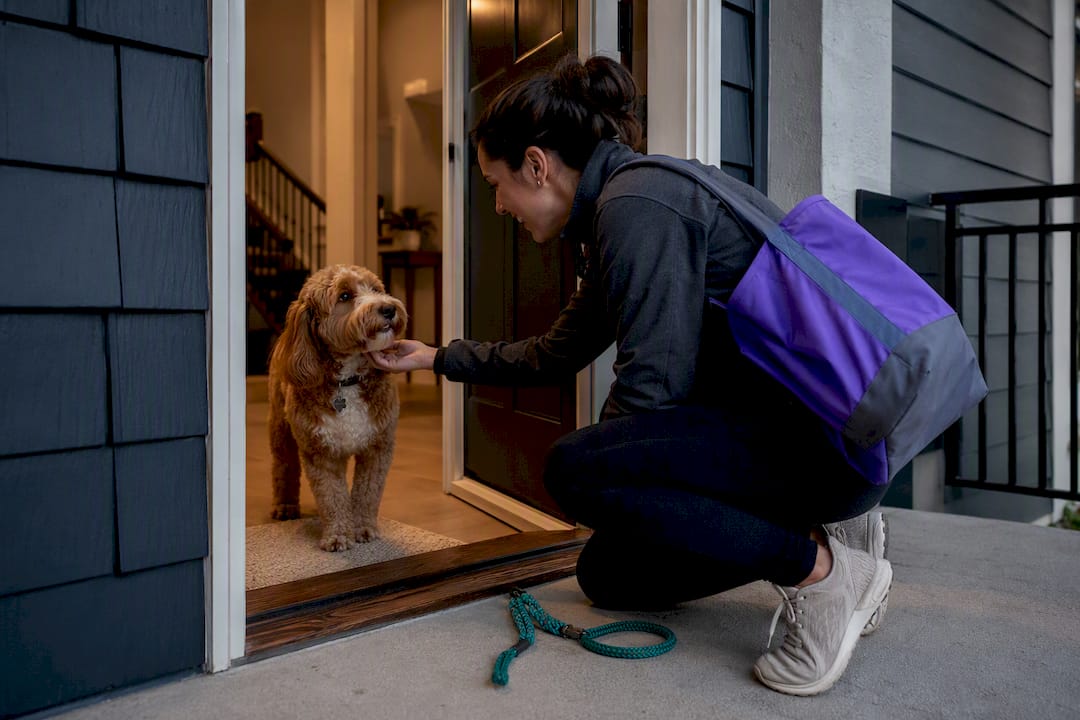
Secure pet care sharing means using automated wellness check-ins that alert your named backup caregivers with full care instructions the moment you miss a scheduled response. For solo pet owners, seniors, and disabled people living alone, this turns a silent emergency into a same-day rescue for your pet. The service is built around the idea of shrinking the gap between “something happened to you” and when “someone is feeding your cat” from days to hours.
TL;DR:
- A missed check-in triggers immediate alerts to backup caregivers, reducing emergency response time from days to hours, especially critical for pets with medical needs.
- The pet care dossier must include detailed, specific instructions on medications, vet contacts, feeding, behavior, and identification, to enable caregivers to act without further clarification.
- Escalation tiers ensure that the closest responder is notified first, with subsequent contacts progressing to boarding facilities or legal authorities if unresponsiveness continues.
- Access to the home should be secured through methods like lockboxes or smart locks, with sensitive information shared only via secure channels and tested regularly.
- A signed authorization form and clear communication rules prevent misunderstandings among multiple caregivers and ensure legal liability is properly addressed during emergencies.
Table of Contents
- Why a Missed Check-In Is the Real Safety Feature
- Building the Pet-Care Dossier and Choosing Your Caregivers
- Designing Your Check-In Cadence and Escalation Plan
- Giving Caregivers Access Without Exposing Your Security
- Structuring Tier 1 and Tier 2 So Nobody Gets Left Waiting
- Communication Rules When More Than One Caregiver Is Involved
- Keeping Your Pet’s Routine Consistent Across Caregivers
- Protecting Your Pet’s Information When You Share It Digitally
- Legal and Liability Basics for Shared Pet Care
- Why We Built the System Around Cadence, Not Just Contacts
- Get Your Pet’s Safety Net Set Up Today
- Sources
Why a Missed Check-In Is the Real Safety Feature
Most pet emergency advice focuses on writing things down. That matters, but it misses the harder problem: nobody knows to look at what you wrote until someone realizes you’re in trouble. If you live alone, that realization can take days. A missed check-in used as an early-warning trigger compresses that discovery window from days to hours, which for a dog needing water or a cat with a medical condition is the difference that matters.
Here’s how the cadence typically works:
- You confirm you’re okay once a day, usually by tapping a link in a text, answering a call, or replying to an email.
- Miss that check-in, and the system doesn’t wait around. It starts working through your contact list immediately.
- Higher-risk situations (a recent surgery, a new medication, a solo senior with a health condition) call for two check-ins a day instead of one.
Picture a Tuesday morning: you don’t respond to your 9 a.m. check-in. By 11 a.m., your neighbor has a text with your address, your dog’s feeding time, and instructions on where the spare key is. That’s the entire point of automating this instead of hoping someone eventually notices your mail piling up.
Building the Pet-Care Dossier and Choosing Your Caregivers
A phone number for “someone who’ll feed the dog” isn’t a plan. A pet emergency plan needs named backup caregivers plus written, operational instructions that don’t require a phone call to you for clarification, because you’re the one person who can’t answer.
Start with the dossier itself. It needs these fields, exactly as filled out, not summarized from memory:
- Medications — exact drug names, doses, and timing (not “the pink pill twice a day”).
- Vet and emergency clinic — names, phone numbers, and the closest 24-hour animal hospital.
- Feeding schedule — brand, portion size, and times, since a wrong food can trigger an allergic reaction.
- Behavioral notes — bite history, fear triggers, whether the pet bolts through open doors.
- Microchip and ID number, plus where the carrier, leash, and harness are stored.
- A current photo, so a shelter or vet tech has no doubt which animal this is.
For more on writing instructions caregivers can act on without guessing, keep every field concrete and specific rather than general.
Choosing backups matters as much as the paperwork. Pick a primary caregiver who lives close enough to arrive same-day, can physically handle your pet’s size and temperament, has reliable transportation, and has actually said yes, out loud, to the job. Then confirm how they’ll get in: a hidden spare key, a lockbox code, or a building manager who already has authorization on file.
Keep one digital copy shared only with approved contacts, and one physical copy somewhere visible but not exposed to strangers walking past your door.
Pro Tip: Ask your backup to repeat the plan back to you in their own words. If they can’t explain where the leash is or what your dog eats, the plan isn’t ready yet.
Designing Your Check-In Cadence and Escalation Plan
The cadence you choose determines how fast help arrives, so pick a stable daily time and stick to it. Most solo owners do well with one check-in each morning; anyone managing a health condition or a pet with daily medication should consider two.
Escalation is where the real engineering happens. It should run in tiers, not one flat contact list:
- Tier 1 (Immediate): Your closest backup, notified the moment a check-in is missed. This is the neighbor or family member who can physically get to your home within hours.
- Tier 2 (Hours later): If Tier 1 doesn’t respond within a set window, say two to four hours, the system escalates to a pre-approved boarding facility, sitter, or additional emergency contact.
- Tier 3 (Extended): For prolonged unresponsiveness, alerts reach whoever holds legal authority to make decisions about your care and your pet’s.
Every alert in that chain needs to carry the full operational payload, not just your name and address:
- Medication doses and frequency
- Exact location of food, leash, and carrier
- Vet and emergency clinic contacts
- Behavioral handling notes
- A current photo
- Clear statement of what the contact is authorized to do (enter the home, take the pet to boarding, contact the vet)
Without that payload, you’ve just alerted someone that a problem exists. With it, you’ve given them everything needed to solve it.
Giving Caregivers Access Without Exposing Your Security
Getting a trusted person into your home fast is only half the problem; doing it without broadcasting your alarm code to anyone who walks by your door is the other half. Three common access methods each carry trade-offs.
- Spare key with a neighbor: Fast and free, but only works if that specific person is home and reachable.
- Lockbox: Doesn’t depend on any one person being available, but the code has to reach the right contact without ending up on a public card.
- Smart lock: Lets you grant and revoke access remotely, which is useful if your backup changes, though it depends on working Wi-Fi and a charged battery.
Whichever method you choose, keep sensitive details off anything visible from the street. Alarm codes and smart-lock passcodes belong in a secure channel sent directly to your approved contact, never printed on a card taped to your door. A well-designed automated system should release those specific details only when an actual escalation triggers, not as part of the day-to-day pet-info card.
Pro Tip: Test your lockbox or smart lock once a season. Batteries die and codes get forgotten, usually right when you need them to work.
Structuring Tier 1 and Tier 2 So Nobody Gets Left Waiting
A layered response of same-day helpers plus pre-registered backup care is what actually prevents a pet from sitting alone for days. Each tier needs its own readiness checklist.
Tier 1 (same-day helper) should be able to answer yes to all of these:
- Lives within a short drive or walk of your home.
- Has a working way to get inside (key, code, or manager authorization).
- Can physically manage your pet’s size, strength, and temperament.
- Has agreed, specifically, to be the first call.
Tier 2 (pre-approved boarding or sitter) needs paperwork done in advance, not during a crisis. That usually means a signed intake form, a card on file for payment, and written confirmation that the facility will accept your pet on short notice. Facilities and sitters that haven’t pre-approved you can and do refuse walk-in emergencies, which defeats the purpose of having a Tier 2 at all.
Confirming acceptance ahead of time, in writing, is the step most people skip and the one that causes plans to fail exactly when they’re needed most.
Communication Rules When More Than One Caregiver Is Involved
Two caregivers with good intentions and no shared communication plan will step on each other, feed your pet twice, or both assume the other one showed up. Set rules before an emergency, not during one.
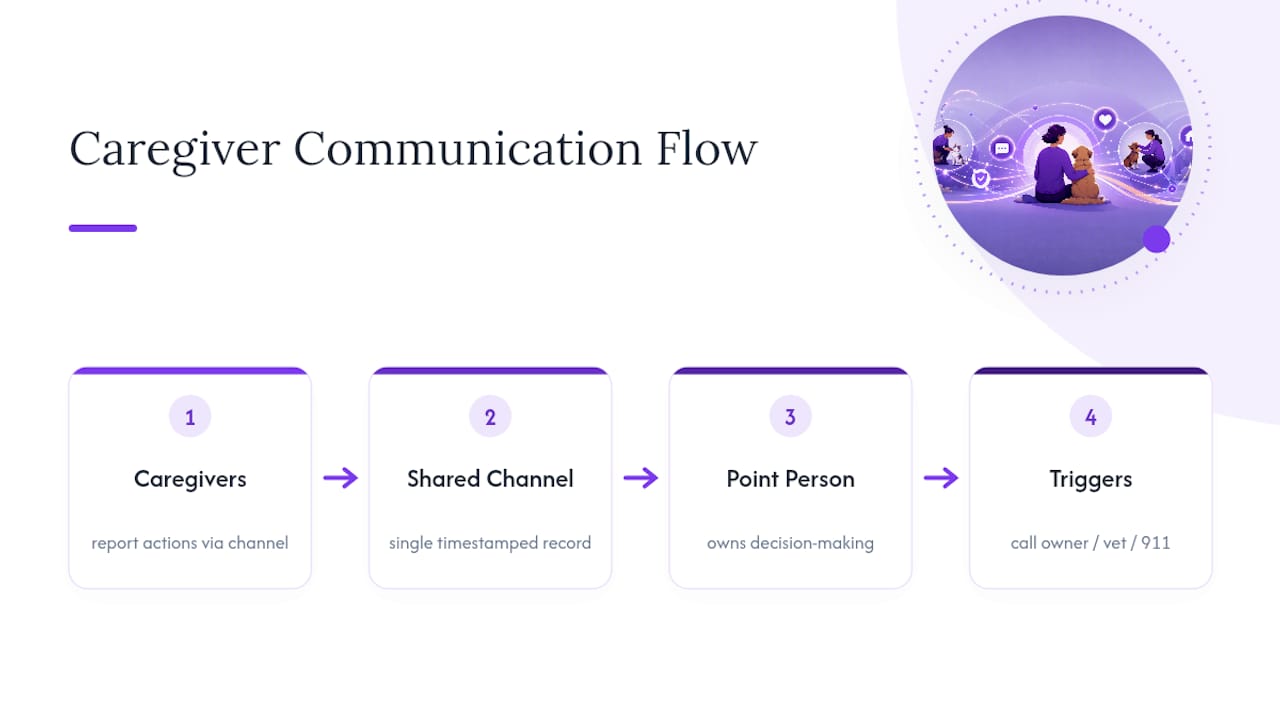
Designate one point person, usually your Tier 1 caregiver, who owns the decision-making until you’re reachable again. Everyone else reports to that person rather than freelancing their own judgment calls.
Use one shared channel for updates, whether that’s a group text or a shared note, so there’s a single record of what’s been done: fed at 8 a.m., walked at noon, vet called at 2 p.m. This matters more than people expect, because in a real emergency, memory gets unreliable fast for everyone involved.
Set expectations about frequency too. A caregiver checking in once a day is different from one checking in every few hours, and mismatched assumptions here create the kind of gaps where a pet’s needs fall through the cracks. If your dossier includes a feeding schedule documented clearly, any caregiver stepping in should be able to follow it without a phone call to confirm details.
Finally, agree in advance on what triggers a call to you versus a call to the vet versus a call to 911. That single distinction, decided calmly ahead of time, prevents a lot of frantic guessing later.
Keeping Your Pet’s Routine Consistent Across Caregivers
Pets notice when their routine changes, and an emergency is already stressful enough without adding a new feeding time or a different walking route on top of it. Consistency isn’t a luxury here; it’s part of keeping a scared animal calm.
Disagreements between caregivers usually come from missing specifics rather than bad intentions. One person thinks “a scoop of food” means a coffee mug; another thinks it means a measuring cup. Writing exact quantities, brands, and times in the dossier removes the guesswork that causes those disputes.

Behavior matters just as much as feeding. A predictable routine reduces anxiety in dogs significantly, so keeping walk times, meal times, and even the order of tasks consistent between caregivers helps your pet stay settled during a period that’s already disorienting for them.
When caregivers genuinely disagree about an approach, whether that’s how firmly to enforce a “no counter” rule or how much exercise your senior dog can handle, defer to whatever you documented in the dossier. It exists precisely so nobody has to improvise a judgment call about your pet’s routine while you’re unavailable to weigh in.
Protecting Your Pet’s Information When You Share It Digitally
Sharing medication doses, vet contacts, and home-access details digitally is convenient, and it’s also a privacy exposure if you’re not deliberate about who sees what. Treat your pet’s care information the way you’d treat any sensitive personal record, because parts of it, like your address and access codes, actually are.
Share the full dossier only with people you’ve named as approved contacts, not with a broad group thread or a shared cloud folder that anyone could stumble into. Access credentials specifically, lockbox codes, alarm codes, smart-lock passcodes, should live in a separate, more restricted channel than general care notes like feeding times.
Automated systems handle this better than a shared spreadsheet does, because they can release different pieces of information to different people at different moments. A wellness check-in service can hold your lockbox code in reserve and release it only to your Tier 1 contact once an actual escalation fires, rather than sitting exposed in a document that anyone with the link can open.
Review who has access every few months. People move, relationships change, and a former neighbor with your alarm code is a loose end worth closing.
Legal and Liability Basics for Shared Pet Care
A written authorization matters more than most pet owners realize until they’re the one asking a vet to treat an animal they don’t legally own. Without documentation naming a caregiver as authorized, a vet clinic may hesitate to proceed with treatment decisions, and a landlord or building manager may refuse entry to someone who isn’t on file.
A simple authorization statement solves most of this. It should name your caregiver specifically, state what they’re permitted to do (enter your home, transport your pet, authorize veterinary care up to a certain cost), and include your signature and the date. Keep it with your dossier, not buried in a separate file nobody remembers exists.
Liability questions come up too, particularly around injury. If your dog bites a caregiver, or a caregiver’s action results in an injury to your pet, informal verbal arrangements leave everyone guessing about responsibility. A brief written agreement, even a simple one both people sign, sets expectations before anything goes wrong rather than after.
None of this replaces legal advice for your specific situation, especially if you’re arranging paid pet-sitting or boarding under a formal contract. But for the neighbor-helps-neighbor arrangement most solo owners rely on, a signed authorization statement covers the gap that trips people up most often.
Why We Built the System Around Cadence, Not Just Contacts
The hard part is the automation: a detection cadence that actually catches a missed check-in fast, an operational payload that arrives with the alert instead of requiring a follow-up call, and controlled release of sensitive access details only when escalation genuinely triggers.
We designed MyPetsSafetyNet around solo owners, seniors, and disabled people living alone specifically because generic emergency planning tends to assume someone nearby is already watching out for you. Often nobody is, and configuration should reflect that reality rather than a one-size-fits-all cadence.
…
— MyPetsSafetyNet
Get Your Pet’s Safety Net Set Up Today
You don’t need a complicated setup to close the gap between an emergency and someone actually showing up for your pet. MyPetsSafetyNet handles the automation side so you’re not relying on someone noticing your mail piling up.
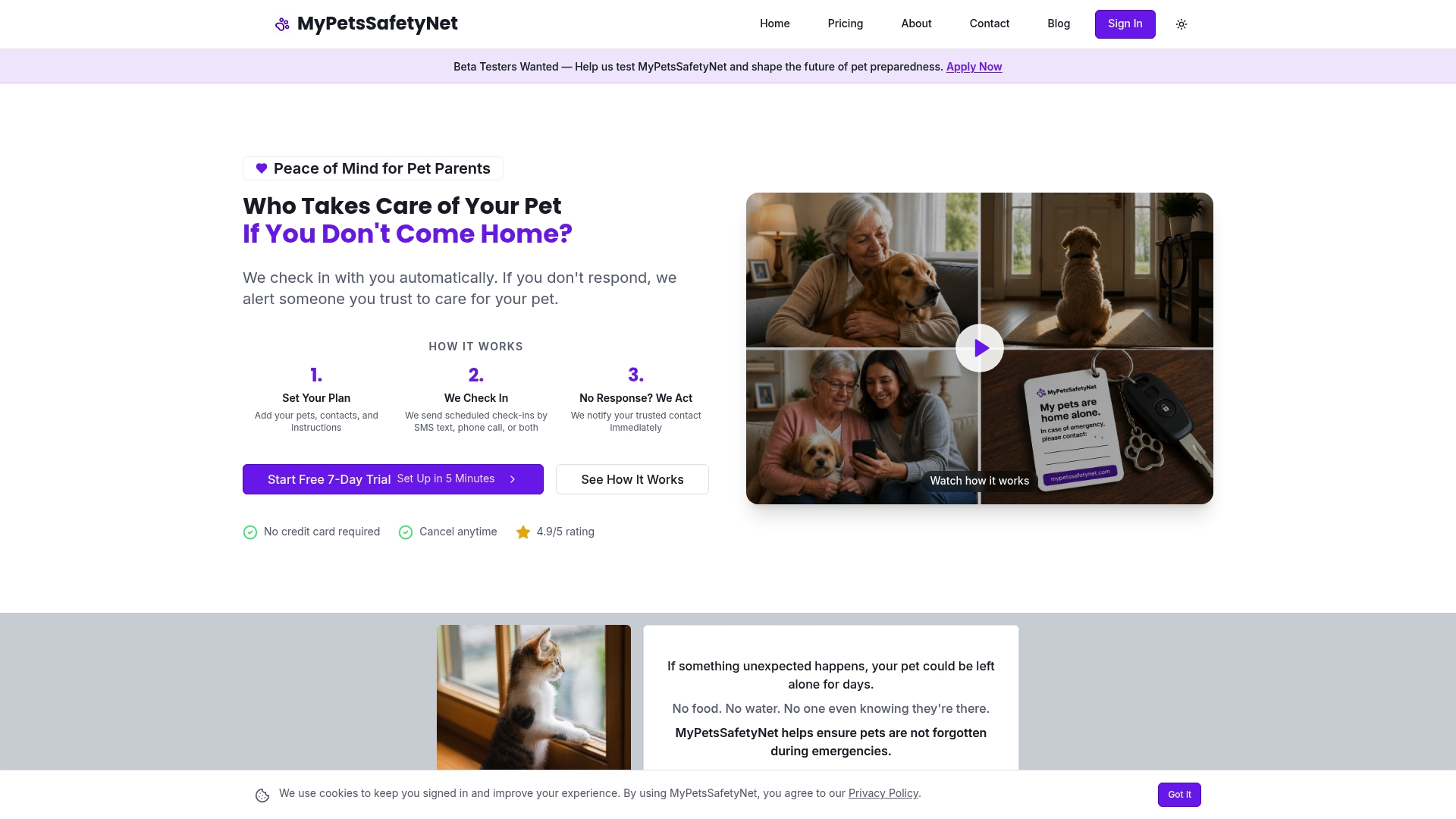
The service covers the pieces this article walked through: automated wellness check-ins on a schedule you control, configurable escalation intervals so Tier 1 and Tier 2 contacts get notified in the right order, pet profile management for medications, vet details, and feeding schedules, and emergency-contact notifications carrying the full care payload instead of just a name and number.
Start with the free pet card to build your pet’s profile, add your Tier 1 and Tier 2 contacts, and set your check-in cadence. Once it’s live, run a test check-in and confirm with your backup caregiver that the alert actually reached them with the right information. That five-minute test is the difference between a plan that sounds good and one that works when you need it to.
Sources
Build your dossier faster with the printable pet information card and the backup caregiver plan guide. For a fuller walk-through of every piece covered here, see the complete pet care plan for living alone. Always confirm current acceptance policies directly with any boarding facility before listing it as a Tier 2 option.
- Safety plan for pet owners who live alone — Snug Safety
- The Complete Pet Emergency Plan for Seniors Living Alone — AloneAssist
- Emergency Pet Care Plan for Hospitalization, Disability, or Travel — PetNPrep
- Pet emergency preparedness — Oklahoma State University Extension