Pet Trust Basics: A Daily Check-In Plan for Solo Pet Owners
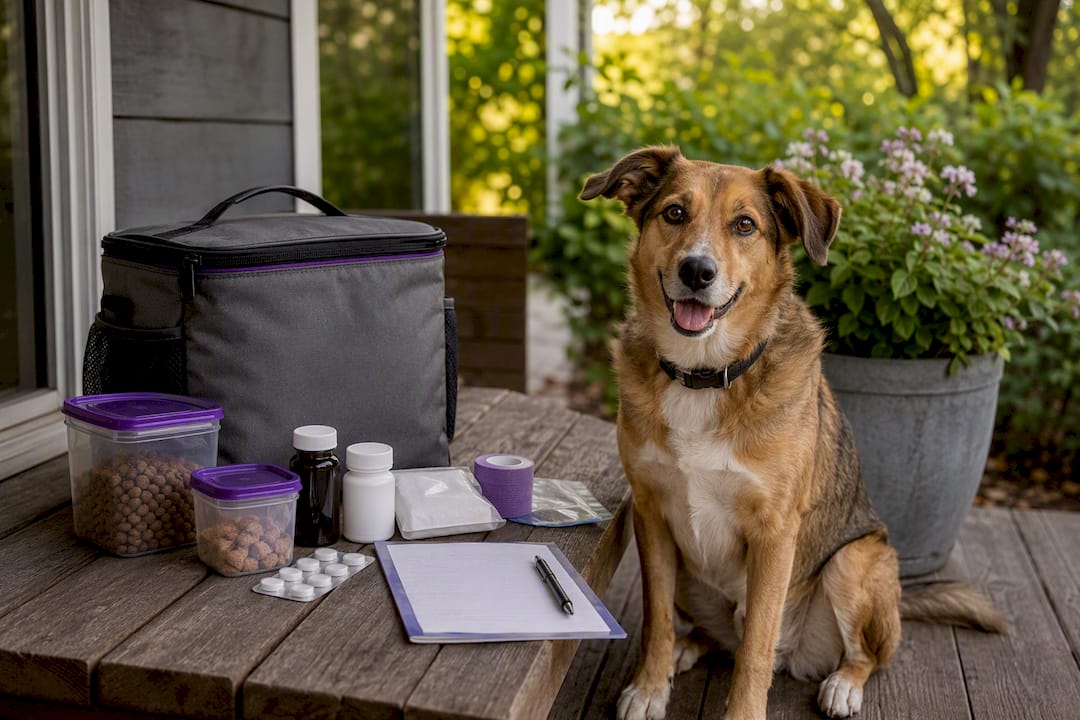
Pet trust basics, in practical terms, means setting up an automated wellness check-in service that texts, calls, or emails you on a schedule and alerts your emergency contacts with your pet’s full care details if you ever miss a check. Your first move is simple: pick a daily check-in interval and name at least two emergency contacts today. Services like MyPetsSafetyNet exist for exactly this reason, and getting one running takes less time than a vet appointment.
TL;DR:
- Setting a check-in interval no longer than 12 hours ensures problems are detected quickly, especially for owners living alone with no routine observers.
- Separately, assigning at least two emergency contacts, with clear roles and physical access, reduces the risk of a single point of failure in the response plan.
- Regularly testing the entire setup, including simulated missed check-ins, confirms contacts respond properly and the system works when it matters most.
- Implementing a pet profile with feeding, medication, vet, and microchip information and maintaining updated contact lists are critical for rapid, effective emergency responses.
- This operational plan complements broader emergency preparedness steps such as microchipping, having accessible medical records, and pre-arranged pet care locations.
Table of Contents
- What These Services Do: Essential Features to Expect
- How the Missed Check-In Triggers an Alert
- Set It Up: A Short, Practical Checklist You Can Finish Today
- How This Fits Into Your Wider Emergency Preparedness Plan
- Why You Can Trust This Guide
- A Note on Legal Pet Trusts vs. This Kind of Planning
- How to Set Up Your Daily Check-In Plan: Steps and Key Considerations
- Choosing Your Emergency Contacts (and a Backup)
- Funding Your Plan: What It Actually Costs to Set Up
- How This Kind of Plan Gets Enforced and Monitored
- Get Your Daily Check-In Running This Week
- Selected U.S. Preparedness Resources
- A Simple Step That Actually Protects Your Pet
- Sources
What These Services Do: Essential Features to Expect
A useful wellness check-in service does more than send a single reminder text. It builds a full safety net around your pet, and the strongest ones share a common set of features.
You should expect the service to:
- Send scheduled check-ins by SMS, phone call, or email, at an interval you choose, from every few hours to once a day.
- Escalate automatically when you miss a check, texting or calling your listed contacts one after another (or all at once) until someone responds.
- Store a pet profile with feeding schedules, medication names and doses, vet and emergency vet numbers, and microchip ID, so a caregiver isn’t guessing.
- Let you customize the countdown, tightening it if you live with a health condition or loosening it if you travel for work.
- Hold caregiver notes, like where the leash hangs or which door sticks, so a stranger stepping into your home isn’t starting from zero.
Availability matters too. Look for a service built for the U.S. market that works on a standard smartphone with no special hardware, since anything requiring a dedicated device becomes one more thing to forget to charge. The Safety Plan for Pet Owners Who Live Alone guide makes the case plainly: the value isn’t the notification itself, it’s how fast it reaches someone who can act.
How the Missed Check-In Triggers an Alert
The trigger is the entire point of the system. Everything else, the pet profile, the contact list, the countdown settings, exists to make that one moment work when it matters.
Here’s the typical sequence:
- You receive a scheduled check-in prompt (text, call, or email) at your chosen time.
- If you respond, the countdown resets and nothing else happens.
- If you miss it, the system waits a short grace period, then sends an automatic follow-up.
- If there’s still no response, it alerts your first emergency contact with your pet’s care details attached.
- If that contact doesn’t confirm within the set window, it escalates to your second or third contact.
The math behind this matters more than it looks. A missed daily check-in can shrink the gap between “something happened to you” and “someone is at your door” from days down to hours, which is the difference between a pet that goes without water overnight and one that goes without it for a long weekend.
Pro Tip: If you live alone with no daily routine that involves other people, set your check-in interval no longer than 12 hours. A shorter window catches problems faster, and most services let you adjust it as your situation changes.
You’ll also choose between two escalation styles. Sequential escalation contacts one person at a time, waiting for a response before moving to the next, which avoids duplicate trips to your home. Simultaneous alerts notify everyone at once, which is faster but can mean confusion over who’s actually going. For most solo owners, sequential escalation with a short wait time between contacts strikes the right balance.
Set It Up: A Short, Practical Checklist You Can Finish Today
None of this works if you set it up once and never test it. Here’s a workflow you can complete in an afternoon.
- Pick two emergency contacts and ask them directly, out loud or in writing, whether they’re willing to check on your pet. A safety plan for solo pet owners only works if there’s no single point of failure, so back up your first contact with a second in case the first is unreachable.
- Give at least one contact physical access, whether that’s a spare key, a lockbox code, or clear instructions for a landlord or building manager.
- Write down your pet’s care routine: feeding times and amounts, medication names and doses, your vet’s number, an emergency vet, and your pet’s microchip ID.
- Make a physical pet alert card for your wallet and another for your front door, so a caregiver or first responder knows an animal is inside before they even open the door.
- Label carriers and supply bins clearly, and store them somewhere your contacts already know about.
- Test the whole thing by simulating a missed check-in and confirming your contacts actually receive the alert, know where to go, and can get inside.
- Pack a pet go-bag with 3 to 7 days of food and water, medications, a carrier, recent photos, and copies of vet records.
Pro Tip: Run your test on a weekend when your contacts are actually free to respond. A test that fires on a workday morning tells you nothing about whether the system works when it counts.
Testing isn’t optional busywork. Disaster preparedness guidance from Texas A&M’s veterinary program points out that a simulated run is often the only way you discover the key doesn’t fit the lock or the supply bin got moved to the garage six months ago.
How This Fits Into Your Wider Emergency Preparedness Plan
A check-in service is one layer, not the whole plan. It works best stacked on top of the basics that emergency-preparedness experts have recommended for years.
The CDC’s pet emergency-preparedness guidance covers ground your check-in service doesn’t:
- Microchip your pet and keep the registration current. A chip with an outdated phone number is nearly useless to a shelter or vet trying to reach you.
- Keep vaccination and medical records somewhere accessible, not buried in a filing cabinet your caregiver can’t find.
- Identify a pet-friendly place your animal can stay if your home becomes unusable, plus an out-of-town contact who can help coordinate if local contacts are unavailable.
- Put a written caretaker agreement in place so the person your alert reaches already knows what’s expected of them, rather than improvising.
- Add a door or window sticker noting a pet is inside, which works alongside your check-in trigger for anyone who arrives before your named contacts do.
None of these steps require much money or time, but together they close the gaps a single notification service can’t cover on its own.
Why You Can Trust This Guide
MyPetsSafetyNet built its service around one specific gap: pet owners who live alone have no automatic way to alert anyone if something happens to them. The service sends scheduled check-ins and, when one is missed, notifies your named emergency contacts with your pet’s care details attached, so the person checking on you also knows how to feed, medicate, and comfort your pet without a phone call to figure it out.
The guidance in this article draws on that same operational thinking, paired with public emergency-preparedness standards like the CDC’s pet safety recommendations. If you want to go deeper on any single piece of this plan, MyPetsSafetyNet’s blog covers emergency pet care planning, what happens to your pets if you’re hospitalized, and how to formalize a caretaker agreement with the people you’ve asked to help.
A checklist only works if someone actually follows it under pressure, which is why testing and written agreements matter as much as the technology itself.
A Note on Legal Pet Trusts vs. This Kind of Planning
If you’ve searched around this topic, you may have run into the term “pet trust” used in a completely different context: a legal, estate-planning tool that holds money and instructions for a pet’s care after an owner’s death or incapacity. All 50 U.S. states permit these legal pet trusts, and they involve an attorney, a funded trust document, and a designated trustee.
That’s a real and valid planning tool, but it’s not what this guide covers, and it solves a different problem. A legal pet trust protects your pet’s long-term financial and custodial future after you’re gone. It does nothing for the gap that opens up in the hours or days after you become unreachable but before anyone even knows something is wrong. A trust document sitting in a drawer doesn’t notice you didn’t come home last night.
That gap, the one between “something happened” and “someone finds out,” is what an automated check-in and escalation system is built to close. If you’re also interested in the legal, estate-planning version of a pet trust, that’s worth a separate conversation with an estate attorney licensed in your state. This guide focuses entirely on the operational side: what alerts your contacts fast enough for it to matter.
How to Set Up Your Daily Check-In Plan: Steps and Key Considerations
Setting up a check-in plan follows a clear order, and skipping steps is usually what causes the system to fail when you actually need it.
Start with your interval. Decide how often you want to check in, hourly, every few hours, or once daily, based on how much risk your daily routine carries. Someone managing a chronic health condition might choose a tighter window than someone who’s simply cautious about living alone.
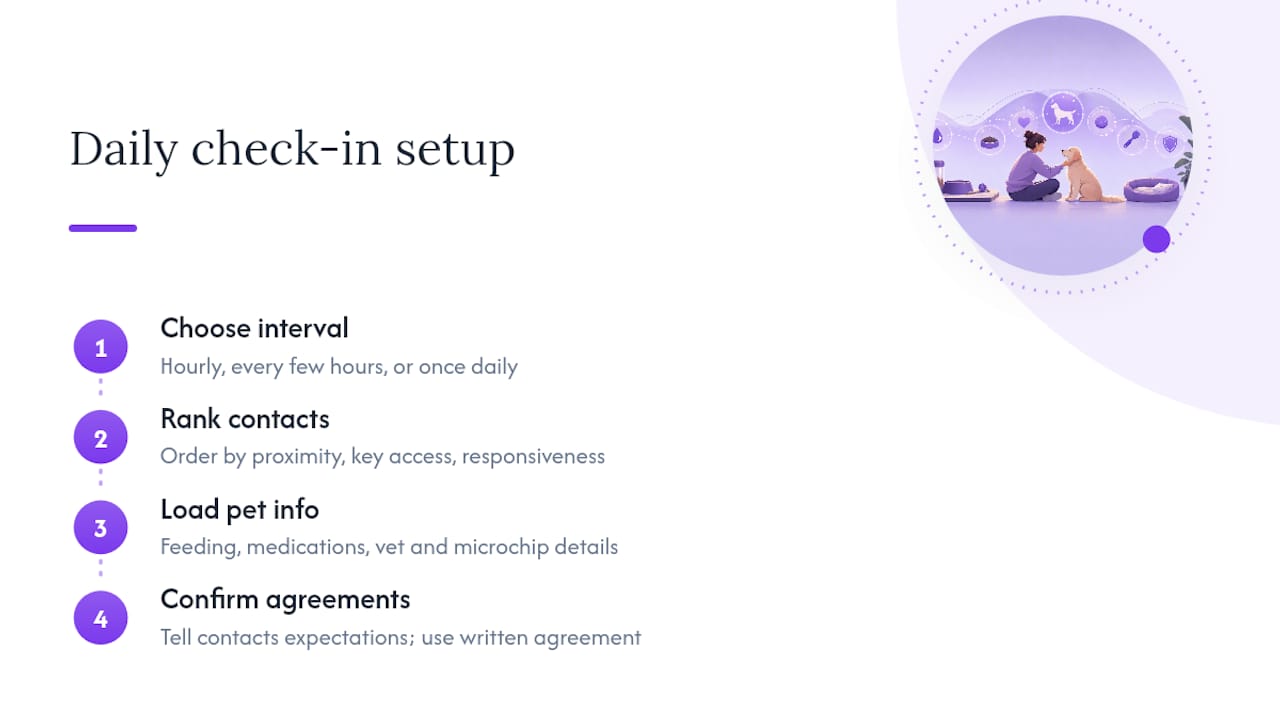
Next, decide your escalation order. Rank your emergency contacts by who’s closest, who has a key, and who’s most likely to actually answer their phone. The person you trust most emotionally isn’t always the right first contact if they live two hours away.
Then load your pet’s information into the service: feeding schedule, medications, vet contacts, and microchip details, the same information you compiled in the setup checklist earlier. This step is what turns a generic “check on my house” alert into “here’s exactly what my dog needs and where to find it.”
Finally, confirm with each contact that they know what’s expected of them if they get the call. A written caretaker agreement removes any ambiguity about who feeds the cat, who calls the vet, and who decides if your pet needs to go somewhere else temporarily.
Choosing Your Emergency Contacts (and a Backup)
Your emergency contact list is the weakest link in this entire plan if you only name one person. If that person is traveling, at work with their phone off, or simply doesn’t pick up, your alert goes nowhere.
Name at least two contacts, and ideally three. Give each one a clear role: a primary contact who has physical access to your home, and a secondary contact who can step in if the first doesn’t respond within your set escalation window. Some solo pet owners also add a third contact who lives farther away as a final backup, useful if a regional event like a power outage affects everyone nearby at once.
Choose people based on three things: proximity, reliability, and willingness. A neighbor five minutes away who has agreed in advance beats a sibling three states away who finds out for the first time when the alert arrives. Confirm the arrangement out loud, not just by adding a name and number to an app.
Revisit your contact list every six months or after any major life change, a move, a breakup, a contact getting a new phone number. An outdated contact list is functionally the same as having no contact list at all.
Funding Your Plan: What It Actually Costs to Set Up
Unlike a legal estate-planning tool, this kind of pet protection plan doesn’t require funding in the financial sense. There’s no trust account to seed and no attorney fees to budget for. What it requires instead is a small amount of upfront effort and, for most services, a modest recurring subscription.
The real “funding” here is what you invest in preparation: a pet go-bag stocked with 3 to 7 days of food and water, a properly labeled carrier, copies of medical records, and a printed care card by your front door. Budget for these physical items once, and they’ll last for months or years with occasional refreshing.
The recurring cost is the subscription itself, plus whatever small expense goes into keeping your pet’s microchip registration current and your vet records up to date. Compared to the cost of a legal trust setup, which can run into attorney fees and ongoing administrative costs, an automated check-in service is a low-cost way to close the immediate-response gap for a fraction of the effort.
How This Kind of Plan Gets Enforced and Monitored
A legal pet trust gets enforced through a trustee, court oversight, and sometimes a court-appointed “trust protector” who monitors compliance. An automated check-in plan works differently, and understanding that difference matters.
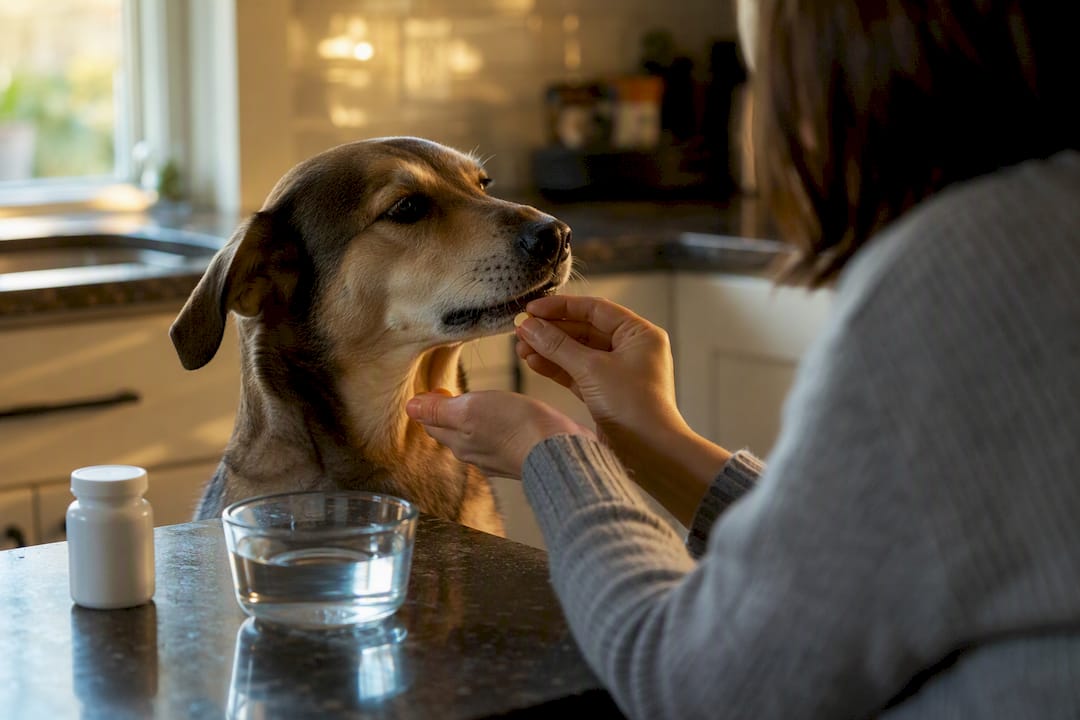
Enforcement here comes down to two things: whether the system actually fires when it’s supposed to, and whether your named contacts follow through when it does. You can’t outsource that second part to software. The system’s job ends the moment it sends the alert; the caregiver’s job starts there.
That’s why testing matters so much, and why a written caretaker agreement functions as your version of a trustee’s duty. It spells out, in advance, exactly what your contact is expected to do: check on the home, feed and medicate the pet, contact the vet if needed, and decide on next steps if you’re unreachable for an extended period.
Monitor your own plan the same way you’d monitor any safety system: test it periodically, confirm your contacts still remember their role, and update your pet’s care information whenever something changes, a new medication, a new vet, a change in feeding schedule. A plan that isn’t reviewed periodically drifts out of date quietly, and you won’t find out until the moment it fails to work.
Get Your Daily Check-In Running This Week
Everything in this guide points toward one action: get a check-in system running before you need it, not after. MyPetsSafetyNet maps directly onto the checklist above, daily check-ins by SMS, phone, or email, automatic escalation to your named contacts, pet profiles that store feeding and medication details, and contact management for up to three emergency contacts and five pets.
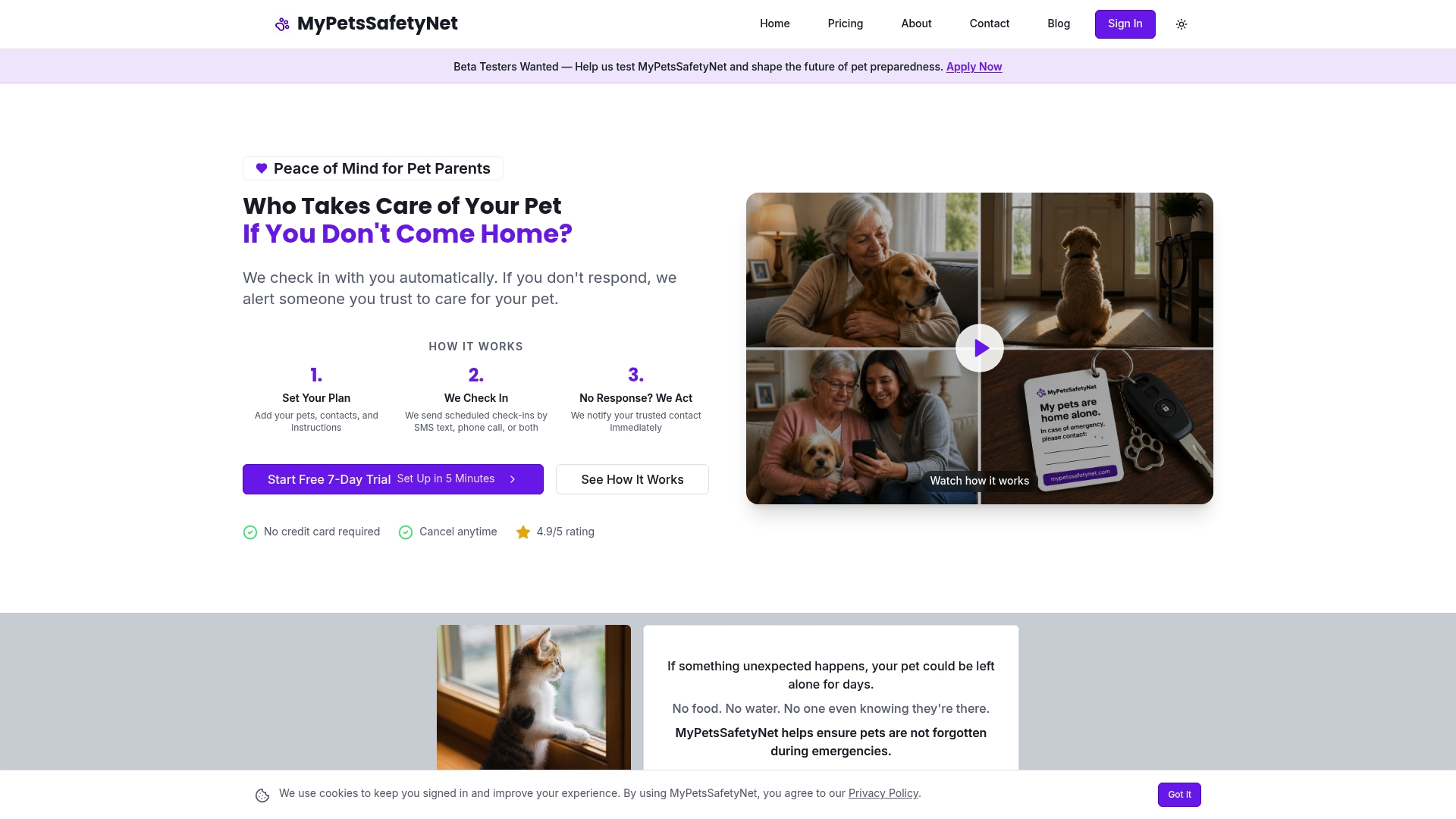
Start with the free pet card if you want a zero-cost first step, a printable card that lists your pet’s essentials for a caregiver or first responder before you commit to anything else. If you’re ready for the full system, sign up for a trial and spend your first week testing it the way this guide recommends: simulate a missed check, confirm your contacts actually get the alert, and walk through whether they know where your spare key is. Adjust your countdown interval based on what that test reveals. Grab your free pet card or explore the full check-in and alert service to get your plan running this week.
Selected U.S. Preparedness Resources
- CDC pet emergency-preparedness guidance
- Disaster preparedness plan for pets, Texas A&M
- Pet health certificate travel documentation
- Pet care emergency document essentials
- Pet care if you can’t get home
A Simple Step That Actually Protects Your Pet
The plan that works isn’t the most elaborate one, it’s the one you actually finish. Set up a daily check-in, name two caregivers who’ve agreed out loud, and test the whole thing once before you need it for real. That’s the entire foundation, and it takes an afternoon, not a weekend.
Most pet emergency plans fail quietly, not from bad intentions but from steps that got half finished and never revisited. Don’t let yours be one of them.
— MyPetsSafetyNet
Sources
- Be Prepared: Pet Safety in Emergencies | Healthy Pets, Healthy People | CDC
- Safety Plan for Pet Owners Who Live Alone — Snug Safety
- Disaster preparedness plan