Pet Care Help Resources for Seniors: 2026 Guide
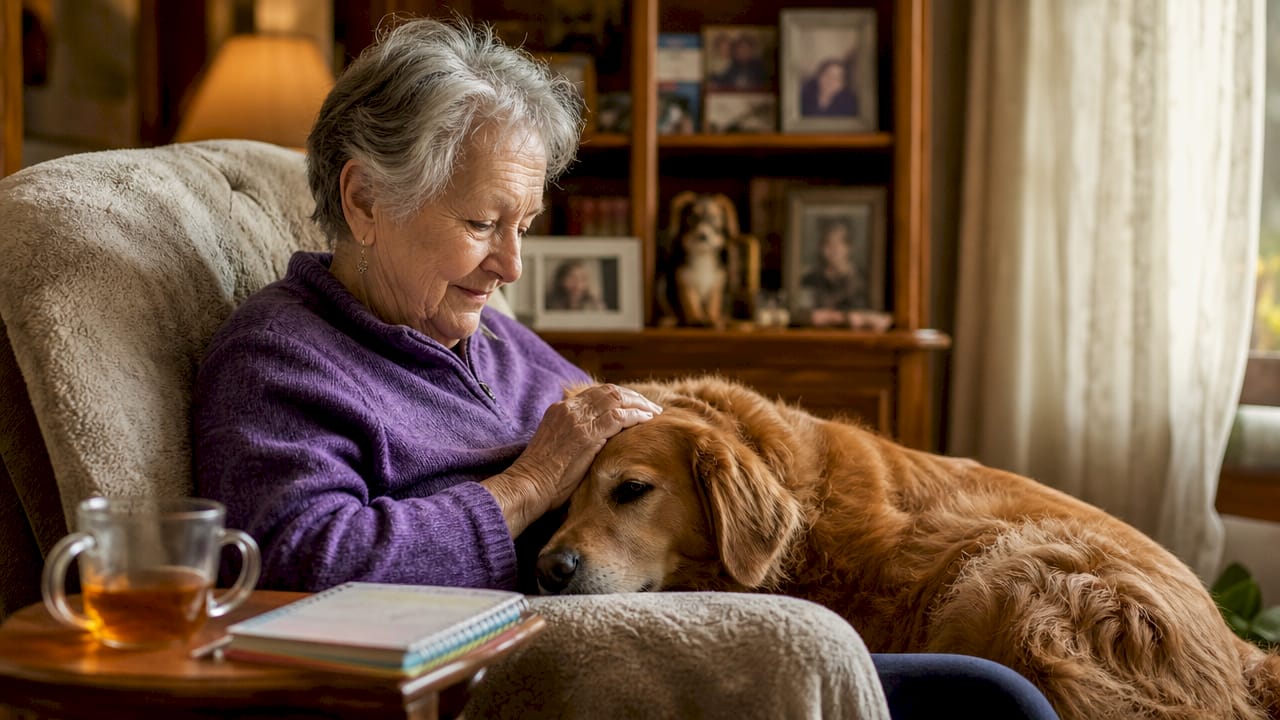
Pet care help resources for seniors are programs and services designed to support older adults in managing their pets’ health and daily needs, especially during emergencies or when mobility is limited. Seniors face a distinct set of challenges: fixed incomes, physical limitations, and the very real risk that a health crisis could leave a pet without care. The American Veterinary Medical Association (AVMA) recognizes pet ownership as a significant factor in senior wellbeing, and programs like the Meals on Wheels Loves Pets partnership have responded with concrete, nationwide support. This guide covers the most practical options available, from free veterinary care to legal protections and emergency planning tools.
1. What are the best pet care help resources for seniors?
The most effective resources combine affordable veterinary access, community support, and emergency planning. No single program covers everything, but layering two or three of these resources gives you a solid safety net for your pet.
The sections below walk through each category in detail, starting with veterinary care and moving through housing policies, community programs, documentation tools, and technology. Each section includes specific programs, eligibility tips, and practical steps you can take today.
2. Free and low-cost veterinary care options
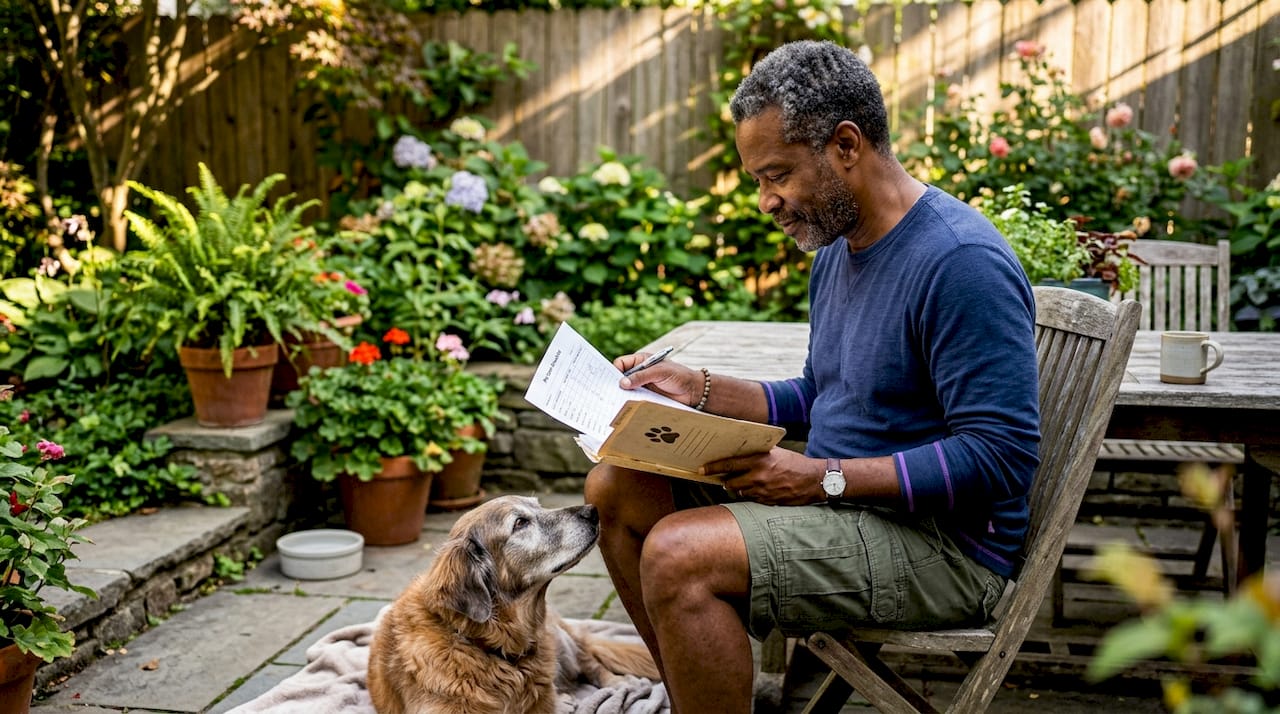
Affordable veterinary care is the most urgent need for seniors on fixed incomes. Two types of programs address this directly: veterinary teaching hospitals and nonprofit preventive care clinics.
Veterinary teaching hospitals provide care supervised by licensed professionals at 20–50% lower costs than private practice. They also offer advanced diagnostic equipment and specialist access that most local clinics cannot match. To find one near you, search the American Veterinary Medical Association’s directory or contact your nearest university with a veterinary program.
The Humane Society of North Texas runs a free preventive program called Rae of Hope specifically for low-income seniors. Services include vaccines, microchipping, flea and tick treatment, and heartworm testing. Programs like this prevent seniors from surrendering pets simply because they cannot afford routine care.
Key steps to access affordable veterinary care:
- Search for veterinary teaching hospitals within 30 miles of your home.
- Ask your local Humane Society if they offer senior-specific preventive programs.
- Call your county animal services office to ask about subsidized care programs.
- Check with your social worker, who often knows about unlisted local resources.
Pro Tip: Ask the clinic’s front desk directly whether they have a senior discount or a financial hardship program. Many practices offer these quietly and do not advertise them.
3. How senior housing pet policies affect your resources
Understanding pet policies in assisted living is critical before you move or bring a pet into a new community. About 85% of assisted living communities allow pets, but nearly all require vaccinations, licensing, and a written care plan that names a backup caregiver. That means you need a plan before you need it.
Common restrictions vary by facility:
- Weight limits typically fall between 25 and 50 pounds.
- Breed restrictions may exclude certain dogs regardless of temperament.
- Residents are expected to provide primary daily care themselves.
- Concierge pet care services like walking and grooming are usually available for an added fee, not included in monthly rates.
- A named backup caregiver must be identified in writing before move-in.
Assistance animals receive stronger legal protection. The Fair Housing Act requires housing providers to grant reasonable accommodations for assistance animals, exempting them from standard breed and weight restrictions. Formal documentation from a licensed healthcare provider is required to claim this protection.
| Animal type | Covered by Fair Housing Act | Breed/weight restrictions apply |
|---|---|---|
| Pet | No | Yes |
| Assistance animal | Yes | No |
Pro Tip: If your pet qualifies as an assistance animal, get written documentation from your doctor before applying to any senior housing community. This protects your rights from day one.
4. Community and nonprofit programs for food, supplies, and emergency support
Community programs fill the gap between veterinary care and daily pet needs. The Meals on Wheels Loves Pets partnership has funded over 120 local pet programs and delivered more than 20 million pet meals nationwide since 2020. More than half of those programs go beyond food to offer grooming and emergency boarding. The program aims to reach all 50 states by 2028, reducing both loneliness and food insecurity for seniors and their pets.
Local resources worth seeking out include:
- Pet food pantries operated by local food banks or animal shelters, often available monthly at no cost.
- Grooming assistance programs run by volunteer organizations for seniors who cannot transport pets safely.
- Emergency boarding services that place pets temporarily when a senior is hospitalized or in crisis.
- Social worker referrals through Area Agencies on Aging, which maintain updated lists of local pet support programs.
To enroll in these programs, contact your local Meals on Wheels chapter directly or ask a social worker to connect you with nearby resources. Many programs have short waitlists, so registering early matters.
5. Pet care documentation and emergency planning tools
The right documentation protects your pet if you are hospitalized or temporarily unable to provide care. This is where most seniors are underprepared, and where the consequences are most serious.
Pet trusts are legally enforceable in all U.S. states and Washington, D.C. They take effect immediately upon incapacity or death, unlike wills that go through probate and can leave pets without care for weeks or months. A pet trust can specify your pet’s diet, veterinary preferences, daily routine, and the name of a designated caregiver.
Estate planning experts recommend pet trusts over wills precisely because of this speed. A will offers no help in the first 48 hours of a crisis. A trust does.
Beyond legal documents, practical coordination tools matter just as much:
| Tool | Purpose | Best for |
|---|---|---|
| Pet care calendar | Tracks daily feeding, water, and medication | Seniors with memory concerns |
| Emergency contact card | Lists vet, backup caregiver, and medications | All senior pet owners |
| Pet trust | Legal care and funding instructions | Seniors planning for incapacity |
| Notification service | Alerts contacts if senior cannot respond | Solo seniors living alone |
Services that notify others if you can’t care for your pet are especially valuable for seniors who live alone. These services contact your designated emergency contacts when a check-in is missed, so your pet is never left without attention.
Pro Tip: Store a laminated emergency card on your refrigerator with your pet’s name, vet contact, medications, and backup caregiver’s phone number. First responders are trained to look there.
6. Technology and tools that simplify daily pet care for disabled seniors
Physical limitations do not have to mean inadequate pet care. Several practical tools reduce the daily physical demands of caring for a pet.
Automated feeders and pet water fountains let seniors manage feeding and hydration on a set schedule with minimal effort. A visual care calendar with daily checkboxes for feeding, watering, and litter box maintenance helps seniors track tasks and maintain routine, even on difficult days.
Useful tools for mobility-limited seniors include:
- Timed automatic feeders that dispense measured portions at set times, reducing the need to lift heavy food bags daily.
- Pet water fountains with large reservoirs that require filling only once or twice a week.
- Visual care calendars with large-print checkboxes for daily tasks, posted in a visible location.
- Curbside veterinary services, where clinic staff bring your pet in and out of the vehicle so you never need to carry them inside.
Curbside veterinary care is one of the most underused resources for seniors with mobility challenges. Many clinics offer it by request, and it makes a significant difference for seniors who struggle with stairs, heavy doors, or carrying a pet carrier.
For seniors managing pet care alongside a chronic condition, the guide on pet ownership during chronic illness offers additional practical steps tailored to specific health situations.
Key takeaways
The most prepared senior pet owners combine free veterinary access, legal documentation, and a named backup caregiver into one coordinated plan before a crisis occurs.
| Point | Details |
|---|---|
| Use teaching hospitals | Veterinary teaching hospitals offer 20–50% lower costs with specialist access. |
| Know your housing rights | Assistance animals are exempt from breed and weight limits under the Fair Housing Act. |
| Build a legal safety net | Pet trusts take effect immediately and are enforceable in all 50 states and D.C. |
| Tap community programs | Meals on Wheels Loves Pets has delivered over 20 million pet meals since 2020. |
| Automate daily care | Timed feeders and water fountains reduce physical strain for mobility-limited seniors. |
What Mypetssafetynet has learned about senior pet planning
The seniors who keep their pets the longest are not the ones with the most money. They are the ones who planned ahead. That observation shapes everything we think about at Mypetssafetynet.
Most seniors wait until a crisis to ask for help. By then, options are limited and stress is high. The seniors who fare best are those who identified a backup caregiver, set up a pet trust, and registered with at least one community program before anything went wrong. That combination costs very little and takes a single afternoon to arrange.
The emotional stakes are real. Pet companionship for seniors is linked to lower rates of depression, reduced blood pressure, and greater motivation to maintain daily routines. Losing a pet due to a preventable gap in planning is one of the most avoidable losses a senior can face.
Caregivers often underestimate how much they can help by simply asking the right questions. Does your loved one have a backup caregiver named in writing? Does their vet have an emergency contact on file? Is there a pet trust in place? These questions take five minutes to ask and can make all the difference in a crisis.
— Mypetssafetynet
Mypetssafetynet: peace of mind for you and your pet
Solo seniors and their caregivers deserve a reliable safety net, not just a list of phone numbers to call in a panic.
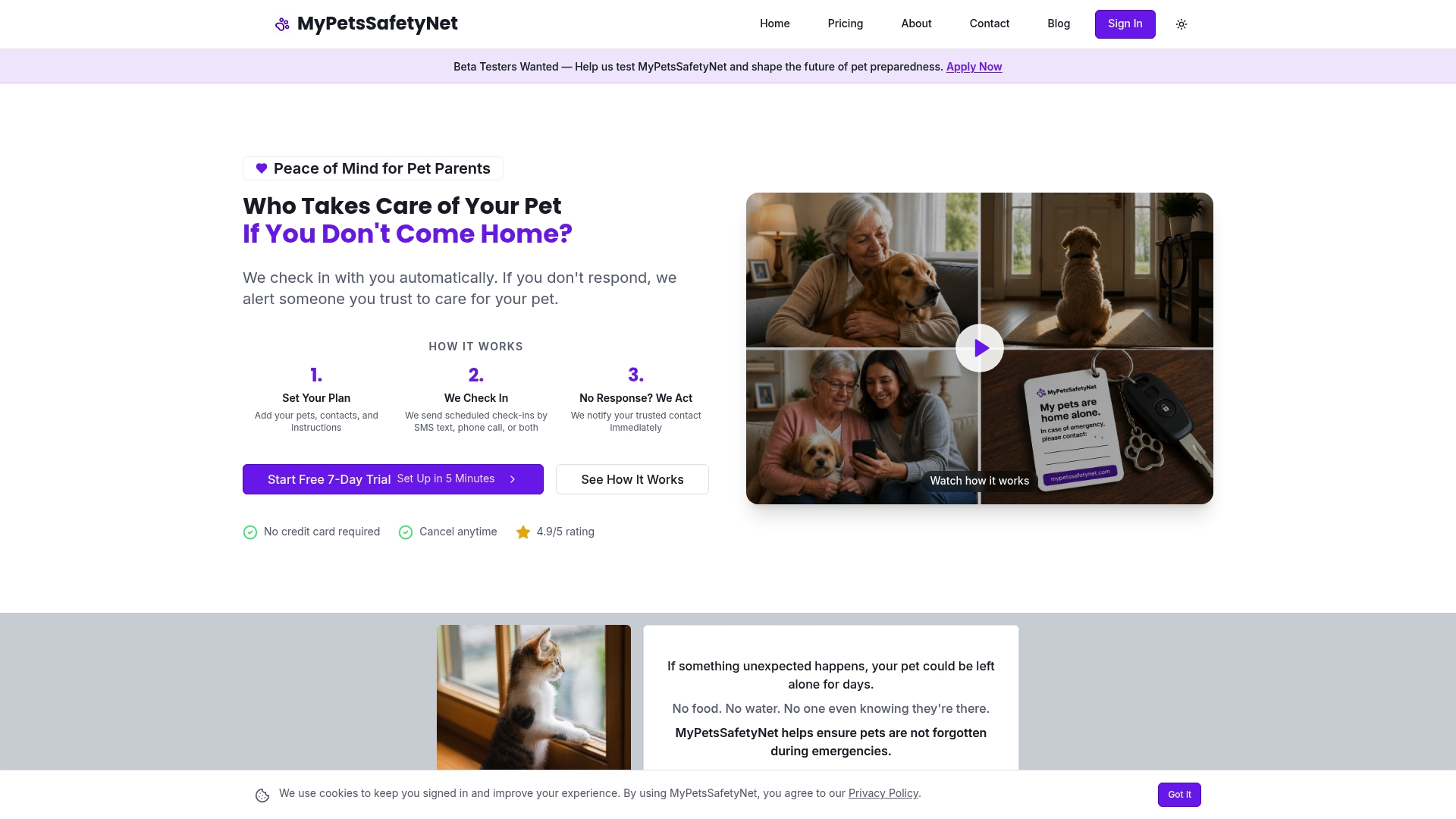
Mypetssafetynet was built for exactly this situation. If you miss a check-in, your emergency contacts are notified promptly so they can check on both you and your pet. The service is straightforward, requires no technical setup, and works alongside the community programs and legal documents described in this guide. Whether you are aging alone with a pet or coordinating care for a loved one, Mypetssafetynet gives you a concrete backup plan. Visit Mypetssafetynet to learn how the wellness check-in service works and set up your plan today.
FAQ
What are the best free pet care resources for seniors?
The Humane Society of North Texas’s Rae of Hope program offers free vaccines, microchipping, and parasite treatment for low-income seniors. Meals on Wheels Loves Pets chapters provide pet food and, in many areas, grooming and emergency boarding at no cost.
Can seniors keep pets in assisted living?
About 85% of assisted living communities allow pets, but most require vaccinations, licensing, and a written backup caregiver plan. Weight and breed restrictions are common, though assistance animals are exempt under the Fair Housing Act.
What is a pet trust and why do seniors need one?
A pet trust is a legally enforceable document that designates a caregiver and funds for your pet’s care. Unlike a will, it takes effect immediately and is valid in all 50 U.S. states and Washington, D.C.
How can disabled seniors manage daily pet care more easily?
Timed automatic feeders, pet water fountains, and visual care calendars reduce the physical demands of daily pet care. Curbside veterinary services eliminate the need to carry pets into clinics, making appointments accessible for mobility-limited seniors.
What happens to my pet if I am hospitalized unexpectedly?
Without a plan in place, pets can be left without care for hours or days. Services that notify your emergency contacts when you miss a check-in, combined with a named backup caregiver and a pet trust, close this gap before it becomes a crisis.