Senior Pet Companionship Benefits Explained for Older Adults
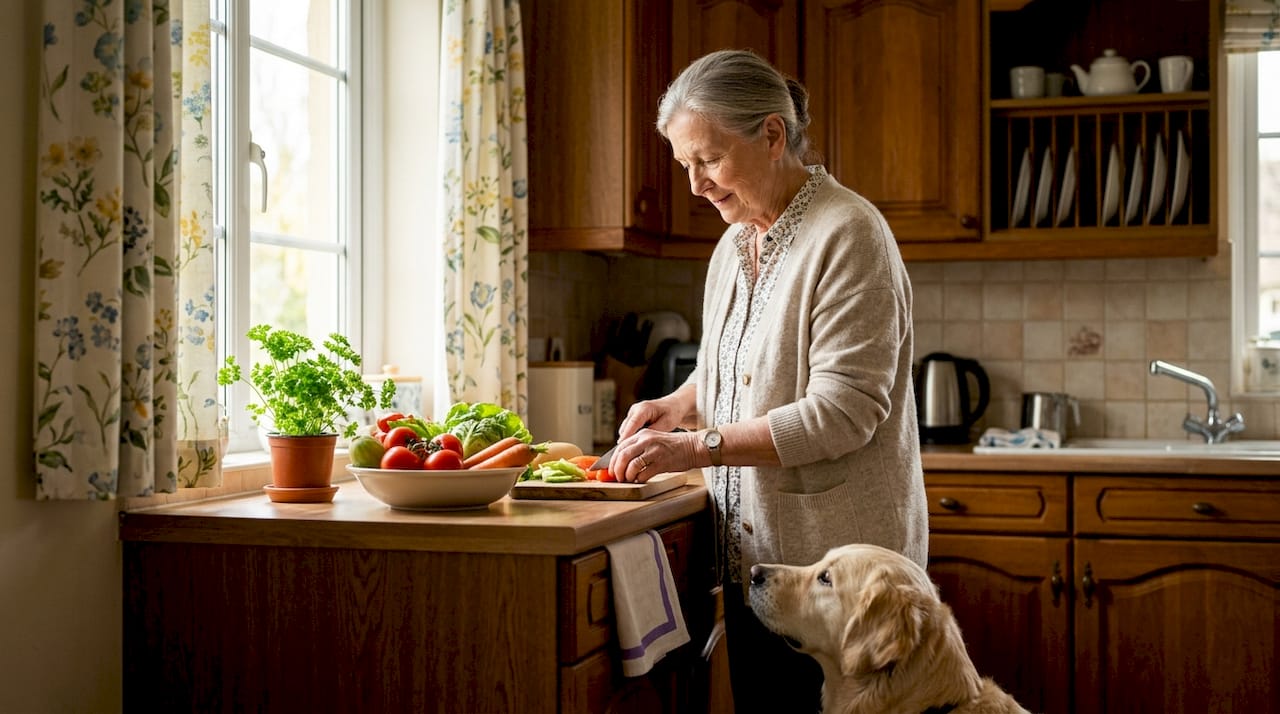
Senior pet companionship is defined as the bond between an older adult and an animal that delivers measurable physical, emotional, and social health benefits. Research confirms that pet interaction lowers cortisol and raises oxytocin, serotonin, and dopamine levels in older adults. These hormonal shifts translate directly into calmer moods, steadier blood pressure, and a stronger sense of daily purpose. For seniors and caregivers trying to understand what senior pet companionship benefits explained really means in practice, the answer is clear: a pet is not a luxury for aging adults. It is a clinically supported well-being tool.
What are the physical health benefits of senior pet companionship?
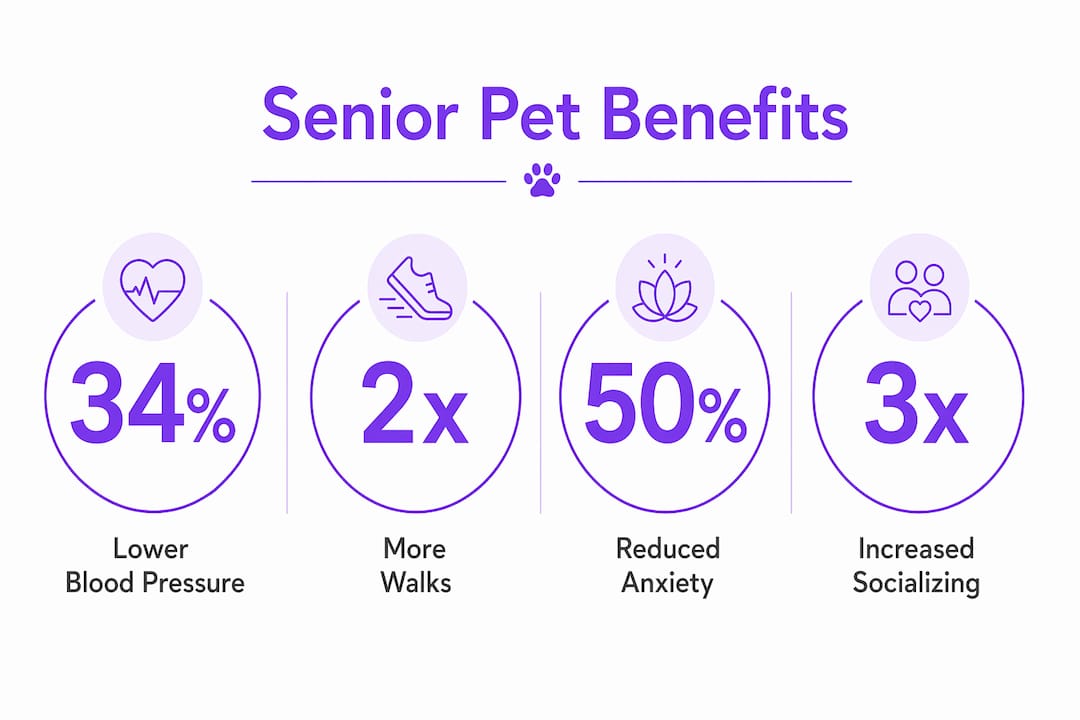
Pet ownership produces real, measurable changes in the body. Studies link pet companionship to lower blood pressure, resting heart rate, and triglycerides among older adults. These are the same cardiovascular markers that physicians track to assess heart disease risk, which makes the finding significant for aging populations.
Physical activity is another direct benefit. Seniors with dogs walk more and spend more time outdoors than non-pet owners. That added movement supports joint health, weight management, and mood regulation, all without a gym membership or a prescription.
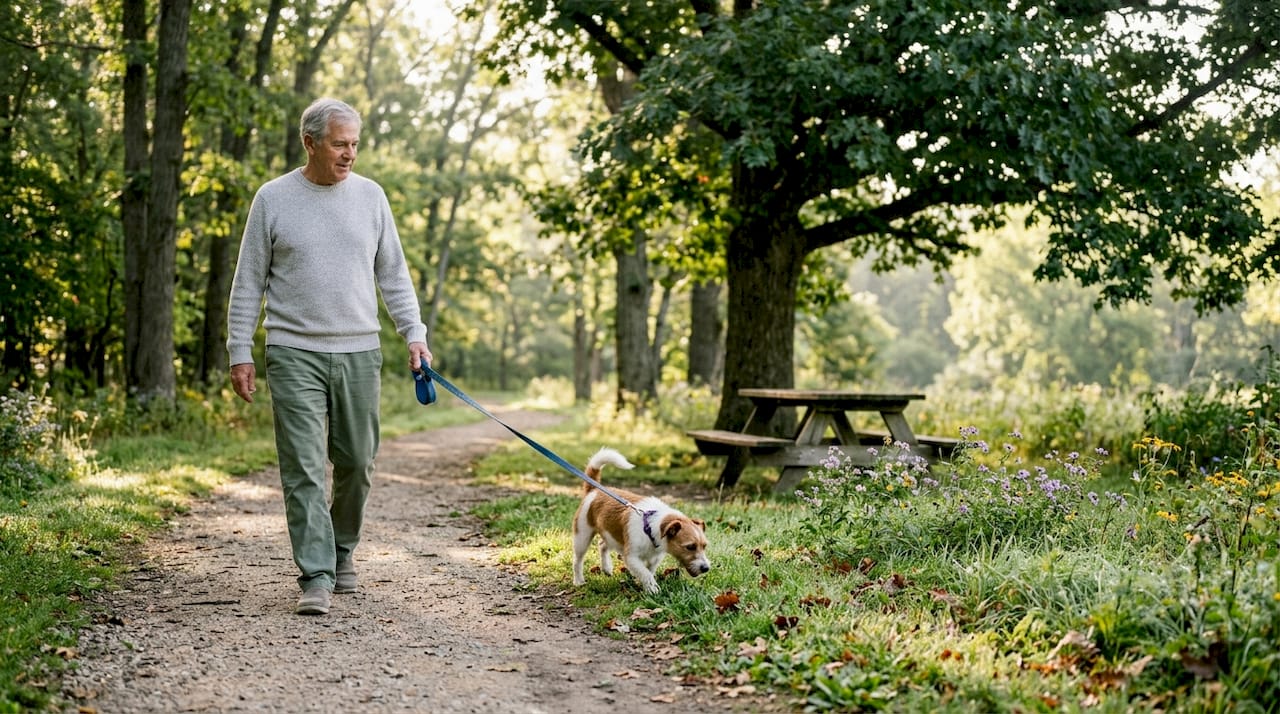
The hormonal picture matters too. Pet interaction triggers the release of oxytocin, serotonin, and dopamine while suppressing cortisol. Cortisol is the body’s primary stress hormone, and chronically elevated levels accelerate aging and weaken immune function. Reducing it through daily pet contact is a low-effort, high-return health strategy.
Here are the key physical benefits seniors gain from regular pet companionship:
- Lower cardiovascular risk markers: Blood pressure, resting heart rate, and triglyceride levels all improve with consistent pet interaction.
- Increased daily movement: Dog walking routines add structured physical activity without requiring gym access.
- Hormonal balance: Oxytocin and serotonin rise while cortisol drops, supporting immune function and mood.
- Immune system support: Reduced chronic stress from pet contact helps protect aging immune systems.
- Improved sleep quality: Lower anxiety and cortisol levels from pet companionship contribute to better rest.
Pro Tip: If mobility is limited, choose activities that match your current capacity. Short, slow walks with a dog, gentle grooming sessions with a cat, or simply sitting with a pet on your lap all deliver hormonal benefits without physical strain.
How do pets support emotional and mental health in older adults?
Pets give seniors a reason to get up in the morning. Daily pet care routines including feeding, grooming, and walking create structure and meaningful engagement that combat grief and isolation. That structure is especially protective for seniors living alone, where days can blur together without external anchors.
The emotional benefits extend beyond routine. Pets reduce anxiety, ease depression, and provide unconditional companionship that human relationships sometimes cannot replicate. For seniors who have lost a spouse or close friends, a pet fills a genuine emotional gap without the complexity of social negotiation.
Therapy animal programs in senior living settings demonstrate this effect at scale. Therapy dog visits in long-term care homes have shown increased joy and independence among residents. The effect is not subtle. Staff and residents both report meaningful shifts in mood and engagement after scheduled visits.
For seniors who cannot own a pet due to health, housing, or financial constraints, Animal-Assisted Interventions offer a practical alternative. AAI is a validated non-pharmacological strategy to improve mental health in long-term care settings. It delivers many of the same emotional benefits as ownership without the daily care responsibilities.
The four most consistent emotional benefits of pet companionship for seniors are:
- Reduced loneliness: Pets provide constant, non-judgmental presence that eases the pain of social isolation.
- Lower anxiety and depression: Regular pet interaction suppresses stress hormones and lifts mood through neurochemical changes.
- Stronger sense of purpose: Caring for another living being creates daily meaning, especially after retirement or loss.
- Grief support: Pets provide comfort during bereavement and help seniors process loss without requiring verbal communication.
“Pets provide seniors ‘purpose with fur on it,’ fostering vital routines that combat isolation and grief.” — Aging Untold
How do pets act as social catalysts for older adults?
Pets, especially dogs, function as what researchers call a “social lubricant.” They give strangers a natural reason to start a conversation. A senior walking a dog through a neighborhood park will receive more social contact in one hour than a non-pet owner might receive in a full day at home.
Dog walking programs for adults 60 and older create structured social contact opportunities that are directly linked to decreased negative health outcomes. These programs are not just about exercise. They build community, reduce isolation, and give seniors a shared identity as pet owners.
Social connection through pets also protects cognitive health. Regular interaction with neighbors, fellow dog walkers, and community members keeps the brain engaged and reduces the risk of cognitive decline. Isolation is one of the strongest predictors of dementia progression, and pets directly counter that risk.
Practical ways pets build social connection for seniors include:
- Neighborhood walks: Daily dog walks create repeated contact with the same neighbors, building familiarity and friendship over time.
- Community pet meetups: Dog parks and pet-friendly community events provide low-pressure social settings for older adults.
- Volunteer walking programs: Seniors who cannot own pets can still benefit socially by volunteering to walk shelter dogs.
- Online pet communities: Social media groups for pet owners give homebound seniors a digital community with shared interests.
Why does adopting a senior pet benefit both the owner and the animal?
Senior pets are the most overlooked animals in shelters. They are also the best match for most older adults. Senior pets have established temperaments and lower care demands, which makes them easier to integrate into a senior’s lifestyle than a puppy or kitten.
The bonding process with an older pet is faster. Senior animals are typically calmer, already house-trained, and less likely to engage in destructive behavior. For an older adult with limited energy or mobility, that matters enormously. You get the companionship without the chaos.
Shelter dynamics also favor the adopter. Senior pets are often passed over by younger families seeking puppies. That means adoption fees are frequently lower, and the animals are often already spayed, neutered, and vaccinated. The financial and logistical barriers to adoption are genuinely reduced.
| Feature | Young pet | Senior pet |
|---|---|---|
| Training required | Extensive | Minimal to none |
| Energy level | High | Low to moderate |
| Adoption cost | Higher | Often reduced |
| Bonding speed | Gradual | Faster |
| Predictability | Low | High |
Pro Tip: When visiting a shelter, ask specifically about pets aged 7 and older. Spend 15 minutes with the animal before deciding. Senior pets often show their true, gentle temperament within minutes of calm interaction.
What practical steps keep senior pet owners and their pets safe?
Planning for pet care based on your worst health day, not your best, is the single most protective step a senior pet owner can take. Experts recommend preparing a guardian plan with named emergency contacts and realistic care expectations tied to your current health status. Without that plan, a hospitalization or fall can leave a pet without care for days.
Health risks run in both directions. Maintaining vaccination and parasite control routines is non-negotiable for seniors, whose aging immune systems are more vulnerable to zoonotic diseases. Zoonotic diseases are illnesses that pass from animals to humans. Regular veterinary visits protect both the pet and the owner.
For seniors managing chronic illness or limited mobility, a practical guide to pet ownership during health challenges can help identify specific adaptations. Small adjustments, like switching to an automatic feeder or hiring a dog walker, preserve the companionship benefits without overextending the owner’s physical capacity.
Key safety practices for senior pet owners:
- Name an emergency pet guardian: Identify at least one person who can care for your pet if you are hospitalized or incapacitated.
- Keep veterinary records current: Up-to-date vaccinations and parasite control protect both you and your pet.
- Schedule regular wellness checks: Both you and your pet benefit from routine health monitoring.
- Adapt care routines to your health: Use tools like automatic feeders, raised food bowls, and leash handles designed for limited grip strength.
- Register with an emergency notification service: Services like Mypetssafetynet alert your contacts if something happens to you, so your pet is never left alone.
For a full planning framework, the senior pet owner wellness guide from Mypetssafetynet walks through each step in detail.
Key Takeaways
Pet companionship delivers proven physical, emotional, and social benefits for older adults, and pairing those benefits with practical safety planning produces the strongest outcomes for both seniors and their pets.
| Point | Details |
|---|---|
| Physical health gains | Pet ownership lowers blood pressure, heart rate, and triglycerides while increasing daily physical activity. |
| Emotional well-being | Daily pet care routines reduce loneliness, anxiety, and depression by creating purpose and structure. |
| Social connection | Pets, especially dogs, generate regular social contact that reduces isolation and supports cognitive health. |
| Senior pet adoption | Older pets bond faster, cost less, and require less training, making them ideal for older adults. |
| Emergency planning | Every senior pet owner needs a named guardian plan and emergency notification system before a crisis occurs. |
What I’ve learned from watching seniors and their pets
The conventional narrative around senior pet ownership focuses almost entirely on the benefits. That framing is accurate but incomplete. The benefits are real and well-documented. What gets less attention is how quickly those benefits disappear when the practical side breaks down.
I’ve seen seniors who genuinely thrived with a pet for years, then faced a health crisis with no plan in place. The pet ended up in a shelter. The senior ended up recovering alone, without the companionship that had been sustaining them. That outcome is avoidable, and it happens more often than most people realize.
The seniors who get the most from pet companionship are the ones who plan ahead. They choose a pet that matches their actual energy level, not their aspirational one. They adopt older animals because the fit is better. They build a care network before they need it. And they use tools like Mypetssafetynet to make sure someone is always notified if something goes wrong.
The emotional richness that a pet brings to an older adult’s life is genuine and worth protecting. Protecting it means treating pet ownership as a responsibility that requires a backup plan, not just a source of comfort. The seniors who do both get the full benefit.
— Mypetssafetynet
How Mypetssafetynet supports senior pet owners
Senior pet owners deserve peace of mind on both sides of the leash.
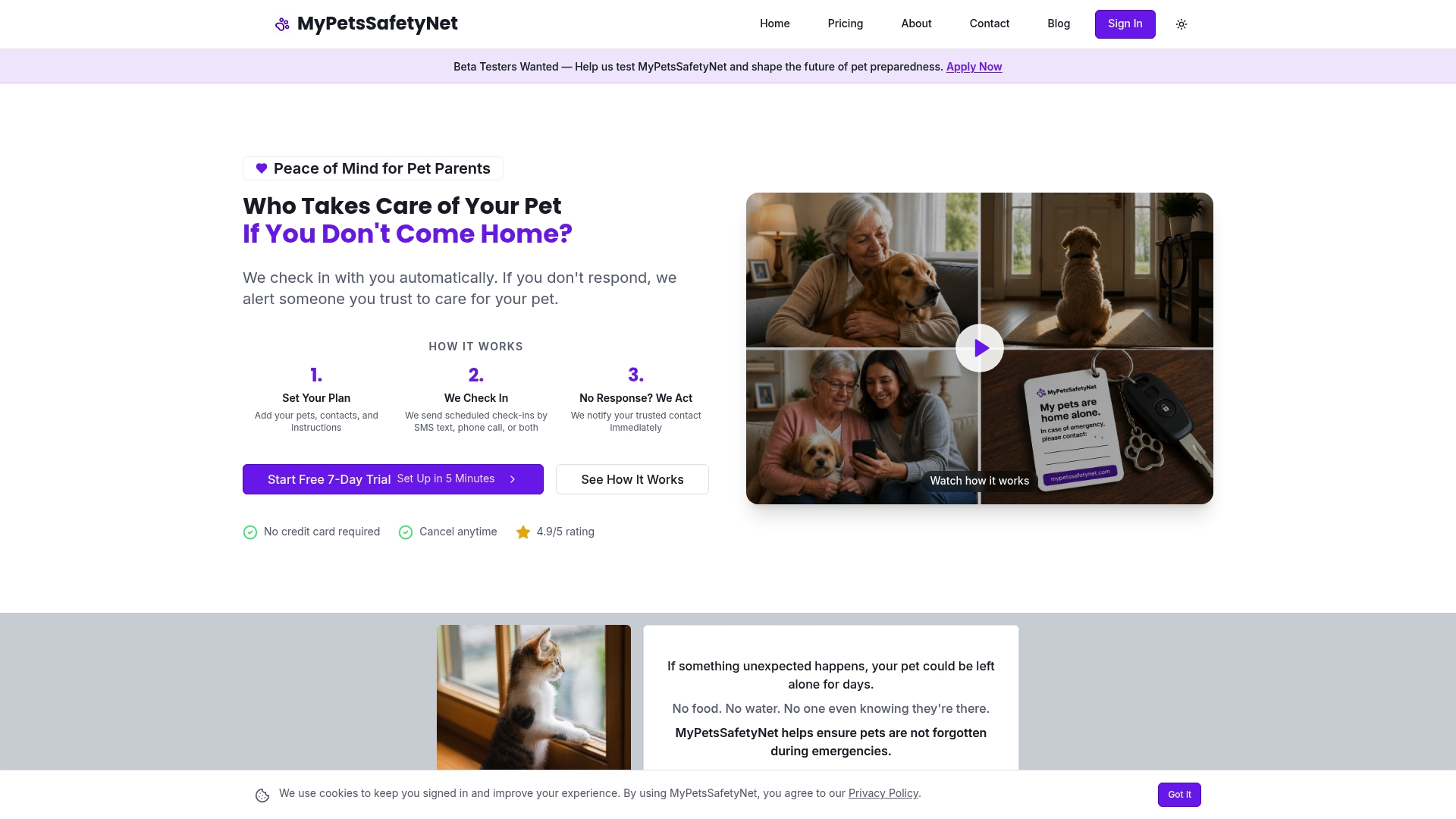
Mypetssafetynet was built specifically for pet owners who live alone or manage health concerns independently. If something happens to you, your designated emergency contacts are notified promptly so they can check on both you and your pet. No pet gets left behind because no one knew to look. The wellness check-in service is straightforward to set up and gives seniors, caregivers, and families a concrete safety layer that complements every benefit pet companionship already provides. For seniors who want to know their pet is covered no matter what, Mypetssafetynet is the practical next step. Learn more about who checks on your pets if you are ever hospitalized.
FAQ
What are the main health benefits of pets for seniors?
Pet companionship lowers blood pressure, resting heart rate, and triglyceride levels while increasing physical activity and reducing stress hormones. These combined effects support cardiovascular health and overall well-being in older adults.
Are senior pets a good choice for older adults?
Senior pets have established temperaments, require less training, and bond quickly, making them well-suited for older adults with lower energy levels or limited mobility. Adoption costs for older animals are also frequently reduced compared to puppies or kittens.
What is Animal-Assisted Intervention and who is it for?
Animal-Assisted Intervention (AAI) is a validated, non-pharmacological approach that uses structured animal contact to improve mental health in settings like long-term care homes. It is designed for seniors who cannot own a pet due to health, housing, or financial constraints.
How should a senior pet owner plan for emergencies?
Experts recommend naming a pet guardian, keeping veterinary records current, and registering with an emergency notification service before a health crisis occurs. Planning based on your worst health day, not your best, protects both you and your pet.
Can pets reduce loneliness and cognitive decline in older adults?
Regular pet interaction and the social contact it generates are linked to reduced isolation, lower depression risk, and decreased likelihood of cognitive decline. Dog walking programs for adults 60 and older show measurable improvements in social connection and mental health outcomes.