Senior Pet Owner Wellness Check: Your Complete Guide
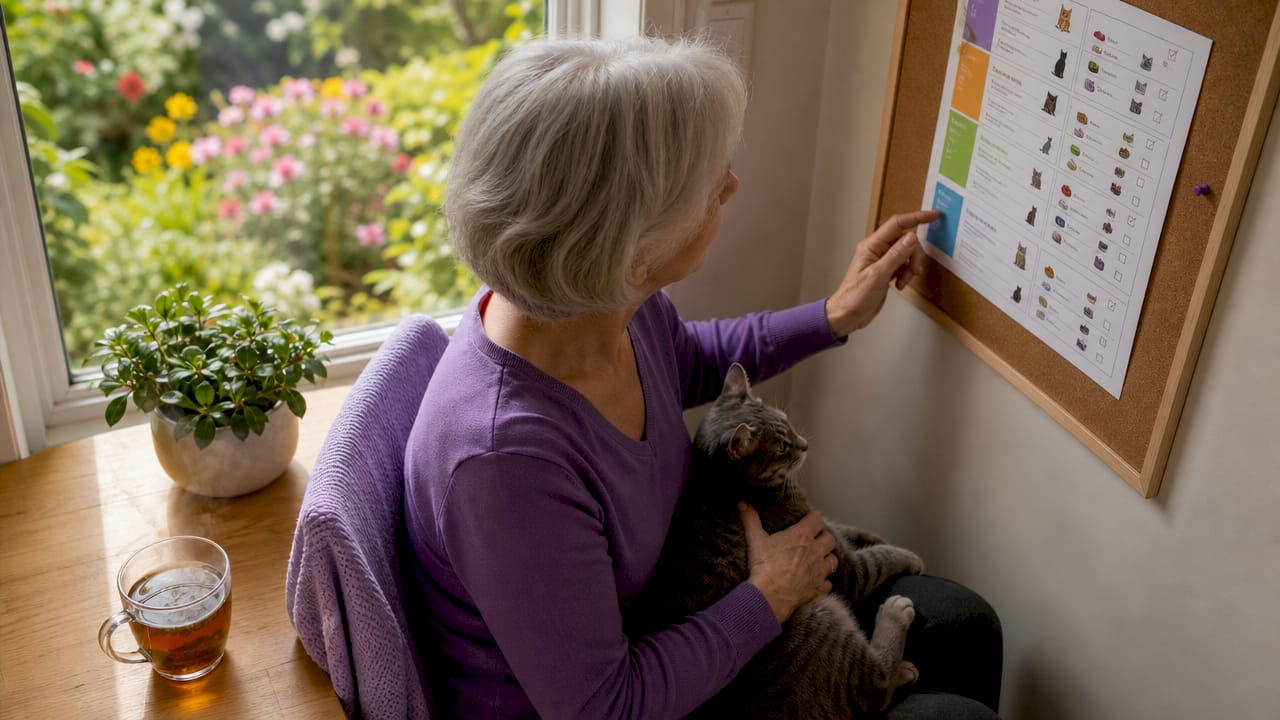
A senior pet owner wellness check is a comprehensive health evaluation designed specifically to identify and monitor conditions common in aging pets, enabling timely interventions to prolong their health and comfort. Unlike a standard annual exam, this type of visit goes deeper, screening for the chronic and often silent diseases that accelerate in older animals. The American Animal Hospital Association (AAHA) recommends biannual exams for senior pets because one senior pet year can equal 4–7 human years. That math alone explains why waiting 12 months between visits is too long. If you share your home with an aging dog or cat, understanding what these exams cover and how to prepare for them is one of the most practical things you can do for your pet’s quality of life.
What does a senior pet owner wellness check actually include?
A senior wellness exam covers far more ground than a routine checkup. Veterinarians use it as an early detection screen, a term that better captures its purpose than “wellness test.” The physical exam alone covers eyes, ears, teeth, skin, lymph nodes, heart, lungs, and abdomen. Each system tells a story that a healthy-looking coat can easily hide.
Beyond the physical exam, the visit typically includes:
-
Complete blood count (CBC): Checks red and white blood cell levels to detect anemia, infection, or immune issues.
-
Metabolic panel: Screens kidney function, liver enzymes, blood glucose, and electrolytes.
-
Thyroid screening: Hyperthyroidism is common in older cats; hypothyroidism affects many senior dogs. Blood pressure, thyroid panels, and radiographs identify hidden conditions a physical exam alone cannot catch.
-
Urinalysis with specific gravity: This test detects kidney disease changes 6–12 months before bloodwork markers rise. That lead time is clinically significant.
-
Blood pressure measurement: Hypertension is common in senior cats and dogs, often secondary to kidney or thyroid disease.
-
Mobility and pain assessment: Your vet watches how your pet moves, sits, and rises to screen for arthritis.
-
Dental evaluation: Periodontal disease affects the heart, kidneys, and liver when bacteria enter the bloodstream.
-
Cognitive and behavioral screening: Changes in sleep patterns, disorientation, or reduced interaction can signal cognitive dysfunction syndrome.
| Screening Component | What It Detects |
|---|---|
| CBC and metabolic panel | Anemia, infection, kidney/liver disease, diabetes |
| Urinalysis | Early kidney disease, urinary tract infections |
| Thyroid panel | Hyperthyroidism (cats), hypothyroidism (dogs) |
| Blood pressure | Hypertension linked to organ disease |
| Mobility assessment | Arthritis, nerve pain, muscle loss |
| Dental evaluation | Periodontal disease and systemic infection risk |
Pro Tip: Ask your vet to frame the visit as an “early detection screen” rather than a routine checkup. Research shows this framing improves owner acceptance of recommended tests and reduces the perception of upselling.
How often should senior pets have wellness exams?
The answer depends on your pet’s species, breed, and age. Dogs are generally considered senior at 7 years, though giant breeds reach senior status at 5. Cats enter their senior years around 11 and become geriatric at 15. Once your pet crosses that threshold, twice-yearly exams become the standard of care.
The reason is straightforward. Because one pet year equals 4–7 human years, a 12-month gap between exams is the equivalent of a person skipping doctor visits for several years. Diseases like chronic kidney disease, hyperthyroidism, and arthritis can progress from manageable to severe within that window.
| Exam Schedule | Disease Detection Window | Intervention Options |
|---|---|---|
| Annual exam | Condition may be advanced by detection | Fewer treatment choices, higher cost |
| Biannual exam | Condition caught in early or mid-stage | More options, better quality of life outcomes |

Pro Tip: Mark your calendar for exams in spring and fall. Spacing visits six months apart gives your vet a consistent baseline to compare results over time, making subtle changes much easier to spot.
How can you prepare for your pet’s wellness visit?
Preparation turns a routine appointment into a productive health management session. Start by writing down any changes you have noticed in the weeks before the visit. Behavioral shifts are often the first sign of illness, and your observations give the vet context that no blood test can provide.
Here is a practical preparation checklist:
-
Track weight changes. Weigh your pet at home weekly if possible. Unexplained weight loss or gain is a red flag worth documenting.
-
Note appetite and thirst. Increased thirst is a classic early sign of kidney disease, diabetes, or Cushing’s disease.
-
Observe grooming habits. Sudden changes in grooming often indicate pain or systemic illness. A cat that stops grooming or a dog that resists brushing deserves a closer look.
-
Watch mobility. Note whether your pet hesitates on stairs, struggles to rise, or limps after rest.
-
Record sleep and behavior patterns. Increased confusion, nighttime restlessness, or reduced interaction can signal cognitive dysfunction.
-
Bring a list of all medications and supplements. Include dosages and how long your pet has been taking each one.
Questions worth asking your vet during the visit include whether your pet’s weight is appropriate for their age, what pain management options exist for joint stiffness, and whether a dental cleaning is overdue. You should also ask about nutrition adjustments for senior-specific needs.
Between visits, tools like Mypetssafetynet help you log daily health observations, set check-in reminders, and alert your emergency contacts if something happens to you. That continuity of monitoring between exams is where many owners lose ground.
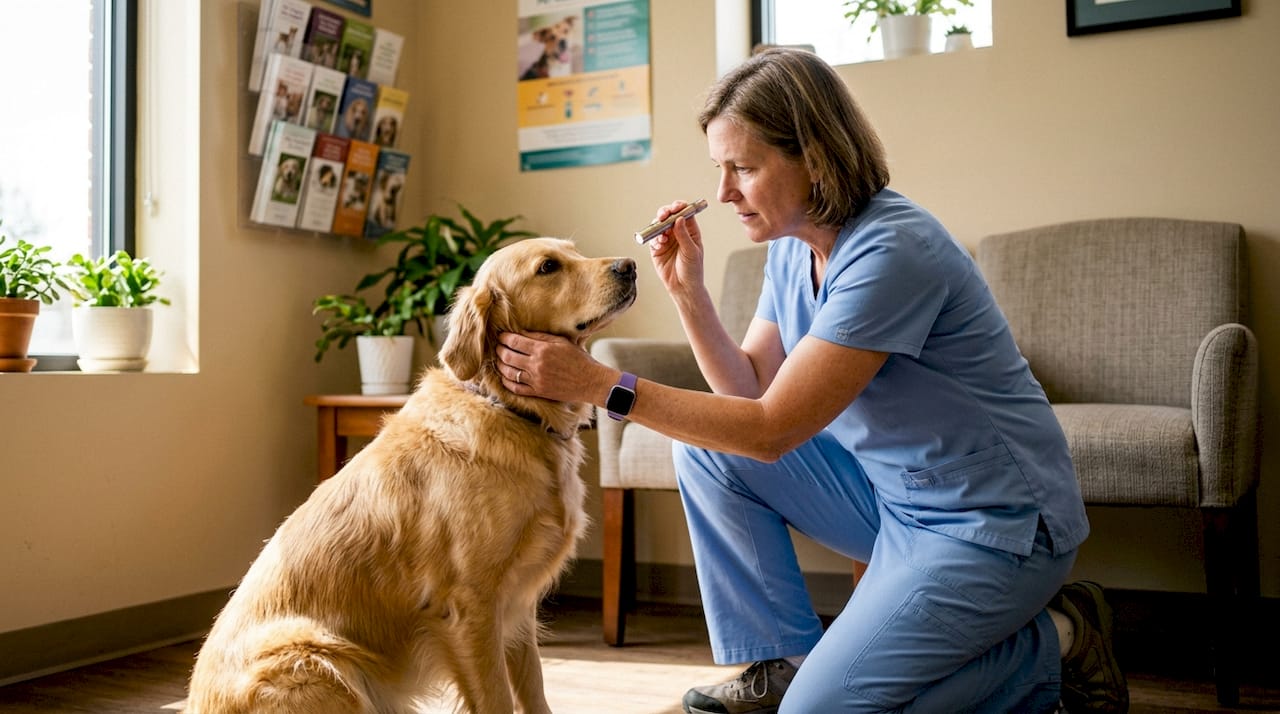
Pro Tip: Reduce vet visit stress by bringing a favorite blanket or toy with familiar scents. For anxious pets, ask your vet about pre-visit calming options such as pheromone sprays or short-term anti-anxiety medications.
What conditions do senior wellness checks most often detect?
Senior wellness exams consistently surface five categories of disease. Knowing what to expect helps you understand why each test on the list matters.
Chronic kidney disease (CKD) is the most common serious condition in aging cats. CKD affects 40% of cats over 10 years and 80% of cats over 15. The disease progresses silently, which is exactly why urinalysis is so critical. Urine specific gravity drops before creatinine levels rise in the blood, giving you a 6–12 month head start on intervention.
Arthritis is widely underdiagnosed because owners often mistake stiffness for normal aging. Arthritis is frequently under-recognized, but early treatment with options like monoclonal antibody therapies and NSAIDs dramatically improves a pet’s daily comfort. Your vet’s mobility assessment during the exam is the trigger for these conversations.
Thyroid dysfunction affects both species but in opposite directions. Hyperthyroidism drives weight loss, hyperactivity, and heart disease in older cats. Hypothyroidism causes weight gain and lethargy in dogs. A simple blood panel catches both.
Dental disease is often overlooked as a systemic threat. Bacteria from infected gums enter the bloodstream and damage the heart valves, kidneys, and liver over time. A dental evaluation at every senior exam is not cosmetic care. It is organ protection.
Cognitive dysfunction syndrome (CDS) mirrors Alzheimer’s disease in humans. Signs include disorientation, altered sleep cycles, reduced interaction, and house-training accidents. There is no cure, but early identification allows for dietary support, medication, and mental enrichment strategies.
Mental enrichment activities, including food puzzles and rotating toys, slow cognitive decline in senior pets. These at-home practices are as important as any medication for supporting brain health in aging animals.
Key takeaways
Biannual senior pet wellness exams, combined with daily owner monitoring and tools like Mypetssafetynet, give aging pets the best chance at a longer, more comfortable life.
| Point | Details |
|---|---|
| Biannual exams are the standard | AAHA recommends twice-yearly visits for pets 7+ years due to accelerated aging. |
| Urinalysis detects CKD earliest | Urine testing catches kidney disease 6–12 months before bloodwork markers change. |
| Arthritis is routinely missed | Owners mistake stiffness for aging; early treatment improves quality of life significantly. |
| Owner preparation matters | Tracking weight, appetite, grooming, and behavior before visits improves diagnostic accuracy. |
| Daily monitoring fills the gap | Tools like Mypetssafetynet support health tracking between vet visits and during emergencies. |
What we’ve learned from watching senior pets age
Twice-yearly exams changed everything for the pets we hear about most. The owners who catch kidney disease early, who notice the subtle limp before it becomes a crisis, are almost always the ones who showed up every six months and came prepared with notes.
The hardest truth is that most owners wait too long. They see a slower dog or a thinner cat and tell themselves it is just age. Age is not a diagnosis. Stiffness, weight loss, and behavior changes are symptoms, and they deserve a clinical answer.
We have also seen how much the space between vet visits matters. A lot can change in six months for a 12-year-old cat or a 9-year-old Labrador. Owners who track daily observations, who notice when their pet stops drinking from the usual bowl or starts hesitating at the bottom of the stairs, give their veterinarian something to work with. That information closes the gap between exams.
Mental enrichment deserves more attention than it gets. Food puzzles, new scents, and short training sessions are not just fun. They are clinical tools for slowing cognitive decline. We advocate for them as strongly as we advocate for bloodwork.
The other piece most articles skip is the owner’s own safety. If you live alone with a senior pet and something happens to you, your pet cannot call for help. Planning for that scenario is part of responsible senior pet care, and it is something we think about every day.
— Mypetssafetynet

FAQ
What age does a pet become a senior?
Dogs are generally considered senior at 7 years, with giant breeds reaching senior status at 5. Cats enter their senior years around 11 and become geriatric at 15.
How often should senior pets see a veterinarian?
AAHA and leading veterinary practices recommend twice-yearly exams for senior pets because one pet year equals 4–7 human years, making annual visits too infrequent to catch fast-moving conditions.
Can telehealth replace in-person senior wellness exams?
Telehealth visits can support chronic condition management between appointments, but they do not replace hands-on biannual exams. Physical assessments, blood pressure readings, and urinalysis require an in-person visit.
What is the most important test in a senior wellness exam?
Urinalysis with specific gravity is often the most critical single test because it detects kidney disease changes 6–12 months before blood creatinine levels rise, allowing earlier and more effective treatment.
How can I monitor my senior pet’s health between vet visits?
Track weight, appetite, thirst, grooming habits, and mobility weekly. Log observations using a health journal or a platform like Mypetssafetynet, and bring your notes to every exam so your vet has a complete picture.