Aging Alone With Pets: What Every Solo Senior Should Know
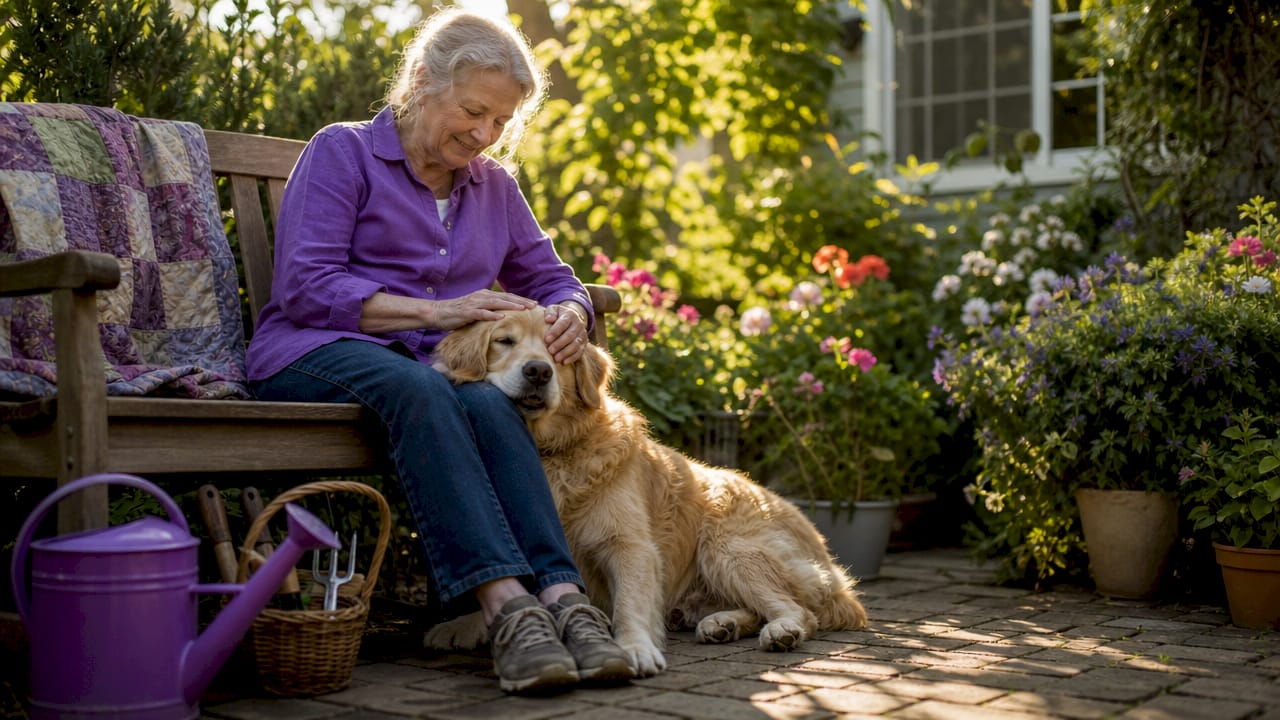
Aging alone with pets is defined as the experience of living independently as an older adult while relying on an animal companion for daily structure, emotional support, and social connection. This is not a lifestyle trend. It is a documented health strategy. A study of nearly 8,000 adults aged 50 and older found that solo pet owners showed better memory and verbal fluency than those without pets. The benefits of pets for seniors go well beyond comfort. They reach into cognitive health, physical activity, and daily purpose. What this article explains is both the science behind that bond and the practical steps you need to protect it.
What are the mental and physical health benefits of pet ownership for older adults?
Pets are one of the most effective tools for reducing loneliness in older adults who live alone. They create structure, demand attention, and give you a reason to get up and move every single day. That daily rhythm is not trivial. It is one of the core mechanisms through which animal companionship protects aging adults from depression and cognitive decline.
The health benefits are specific and measurable. Research shows that pets reduce anxiety, cardiovascular disease, and overall healthcare use among isolated older adults. They do this partly by acting as social connectors. Walking a dog, for example, creates natural opportunities to talk with neighbors and strangers. That kind of low-pressure social contact is exactly what many solo seniors lack.
Here is what the research confirms about how pets support seniors living alone:
- Cognitive protection: Pet owners aged 50 and older show lower risk of dementia and better verbal fluency than non-owners living alone.
- Mood regulation: Petting a dog or cat releases endorphins, which directly reduce stress hormones and improve mood within minutes.
- Physical activity: Dog owners walk more consistently than non-owners, which supports cardiovascular health and maintains joint mobility over time.
- Social engagement: Pets motivate daily activities like neighborhood walks and community visits, reducing the isolation that accelerates health decline.
“Pets provide compelling reasons to engage socially and physically,” notes the executive director of The Pet Project, an organization that supports older adults and their animals.
The responsibility of caring for a pet also creates what aging experts call a “daily anchor.” You feed them at the same time each morning. You take them out before bed. That predictable routine prevents the day from drifting, which is a real risk for adults living alone without work schedules or family obligations. For more on managing pet care through health changes, the chronic illness pet care guide from Mypetssafetynet covers this in practical detail.
What challenges do older adults face when aging alone with pets?

Solo aging with pets carries real barriers that deserve honest attention. Nearly 40% of solo agers without pets cite emergency pet care as their primary concern. Another 33% point to financial costs. These are not small worries. They reflect a genuine gap between wanting a pet and feeling confident you can care for one responsibly.
The challenges fall into three main categories:
- Emergency care gaps: If you are hospitalized suddenly, who feeds your cat? Who walks your dog? Most solo seniors have not written down a clear answer to that question.
- Financial pressure: Veterinary costs, food, medications, and grooming add up. Fixed incomes make unexpected expenses especially stressful.
- Aging pet behavior: Senior pets experience their own cognitive and behavioral shifts. Aging pets show increased anxiety and confusion when routines change, which can be hard to manage during a health crisis.
Addressing these challenges starts with preparation, not avoidance. Veterinary experts recommend building what they call a “care-continuity kit.” This is a physical folder or digital document that includes your pet’s medical records, feeding schedule, medication list, behavioral notes, and the name of a designated emergency caregiver. If you are hospitalized, that kit tells whoever steps in exactly what your pet needs.
Pro Tip: Ask your veterinarian to flag which of your pet’s behaviors are medical symptoms versus stress responses. That distinction matters when a substitute caregiver is trying to assess whether your pet needs a vet visit.
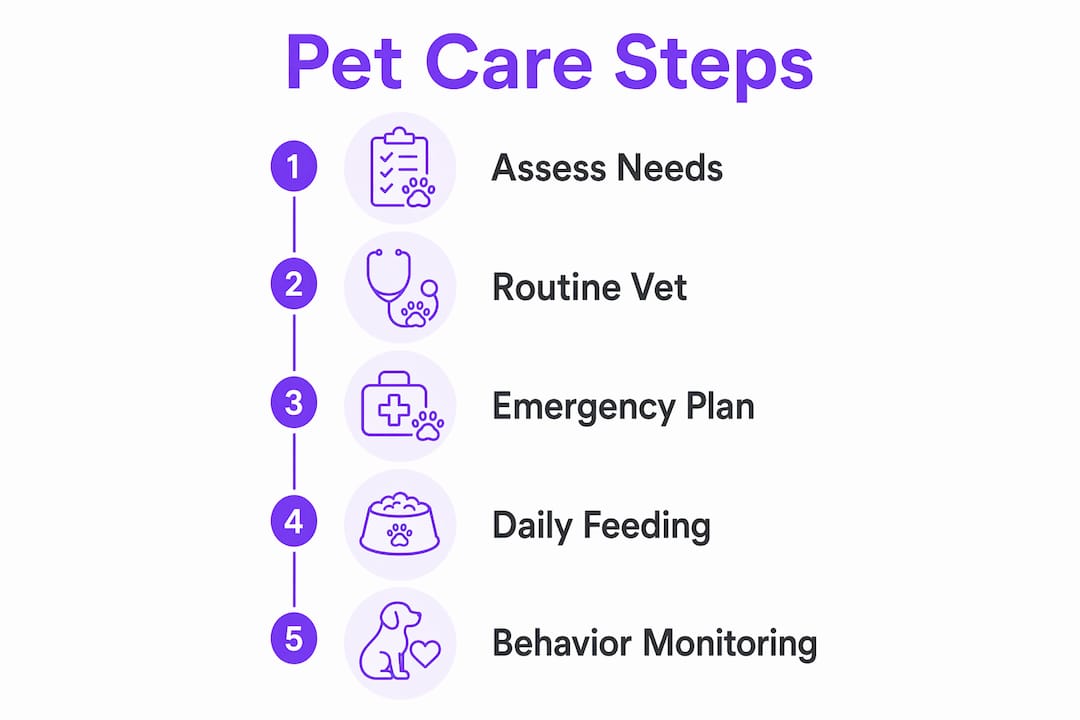
The CDC recommends that adults aged 65 and older keep pets current on vaccinations, use flea and tick prevention, and practice consistent hygiene when handling animals. This reduces zoonotic disease risk, which is the transmission of illness from animals to humans. For older adults with compromised immune systems, this step is not optional. It is a core part of safe pet ownership.
How should you choose and care for a pet as a solo senior?
Choosing the right pet is the single most important decision a solo senior makes. The guiding principle from aging and veterinary experts is clear: choose a pet based on your worst day, not your best. On a good day, you might feel capable of walking a high-energy breed twice daily. On a bad day, that same dog becomes a source of guilt and stress.
Here is what that principle looks like in practice:
- Older dogs and cats tend to be calmer, less demanding, and already house-trained. They are often ideal for seniors who want companionship without the intensity of a young animal.
- Smaller breeds require less physical strength to manage on leash and are easier to transport to vet appointments.
- Cats and low-maintenance small animals suit seniors with limited mobility or chronic pain, since they do not require outdoor walks.
- Temperament matters more than breed. A calm, affectionate dog of any size is a better fit than an anxious or high-strung purebred.
Pro Tip: Before adopting, spend time with the animal at the shelter or foster home on a day when you feel average, not energized. That interaction gives you a more realistic sense of the daily commitment.
Caring for a pet well as you age also means adapting as your pet ages. Senior pets need routine to stay calm and healthy. Disruptions to feeding times, sleeping spots, or daily walks can trigger anxiety and behavioral problems. Schedule regular veterinary checkups at least twice yearly for pets over age seven. Keep a written log of any behavioral changes so your vet can distinguish between normal aging and treatable conditions.
The senior pet owner wellness guide from Mypetssafetynet walks through how to track both your pet’s health and your own readiness to provide care over time.
What concrete steps can you take to prepare for a pet care emergency?
Emergency preparedness for solo pet owners is not complicated. It requires four specific actions, taken before a crisis happens.
- Designate a primary caregiver. Choose one person who agrees in advance to care for your pet if you cannot. Give them a key to your home. Make sure they know your pet personally.
- Build a care-continuity kit. Include your pet’s vaccination records, current medications, feeding schedule, behavioral notes, and your veterinarian’s contact information. Store it somewhere your caregiver can find it quickly.
- Identify backup support. Local community programs, animal welfare organizations, and neighborhood networks often provide dog walking, food delivery, and temporary fostering for seniors in crisis. Research what is available in your area before you need it.
- Register with an emergency notification service. Services like Mypetssafetynet alert your designated contacts if you miss a wellness check-in, so someone knows to check on both you and your pet.
The table below summarizes what your care-continuity kit should contain and why each item matters.
| Kit Item | Why It Matters |
|---|---|
| Vaccination and medical records | Allows a substitute caregiver or vet to continue treatment without delay |
| Feeding schedule and food brand | Prevents digestive upset from sudden diet changes |
| Medication list with dosages | Avoids missed doses or dangerous errors during a handoff |
| Behavioral notes | Helps a new caregiver recognize stress signals versus normal behavior |
| Emergency caregiver contact | Gives any first responder a direct person to call for your pet |
The question of what happens to your pets during a hospitalization is one most solo seniors have not answered in writing. Answering it now, when you are well, is the most caring thing you can do for your animal.
Key takeaways
Pets provide proven cognitive, emotional, and physical benefits for solo seniors, but those benefits depend on choosing the right animal and building a clear emergency care plan before a crisis occurs.
| Point | Details |
|---|---|
| Cognitive protection is real | Solo seniors with pets show better memory and verbal fluency than those without. |
| Emergency planning is non-negotiable | Designate a caregiver and build a care-continuity kit before you need one. |
| Choose for your worst day | Select a pet whose care needs match your lowest-energy capacity, not your best. |
| Routine benefits both of you | Consistent feeding, walking, and play protect your pet’s mental health and your own. |
| Health safety requires veterinary care | Regular checkups and CDC hygiene practices reduce zoonotic risk for seniors 65 and older. |
What I have learned from watching solo seniors and their pets
At Mypetssafetynet, we talk with solo pet owners every week. The pattern we see most often is not neglect. It is optimism without a plan. People genuinely love their animals and fully intend to figure out the emergency details later. Later rarely comes until something goes wrong.
What strikes me most is how the emotional attachment to pets is frequently underestimated by everyone except the pet owner. When a solo senior is hospitalized and their pet is left without a clear plan, the distress runs in both directions. The owner worries from a hospital bed. The pet, now in an unfamiliar environment, shows anxiety and behavioral changes that make placement harder.
The fix is not complicated. It is just easy to postpone. The seniors I have seen handle this well share one habit: they treat their pet’s care plan the same way they treat their own medical paperwork. Written down, updated regularly, and shared with at least one trusted person. That single habit changes everything. It means the bond you have built with your animal does not become a source of crisis when your health changes. It remains what it always was: a source of comfort, structure, and genuine companionship.
— Mypetssafetynet
How Mypetssafetynet supports solo pet owners every day
Solo pet owners deserve peace of mind, not just good intentions.

Mypetssafetynet was built specifically for adults who live alone with pets and want to know that someone will check on both of them if something goes wrong. The service sends regular wellness check-ins and, if you miss one, alerts your designated emergency contacts so they can act quickly. You can store your pet’s care details, share your emergency plan with trusted contacts, and know that your animal will not be left alone. Visit Mypetssafetynet to set up your wellness check-in and give yourself and your pet the protection you both deserve.
FAQ
What does aging alone with pets mean for seniors?
Aging alone with pets refers to older adults living independently while relying on animal companions for emotional support, daily routine, and social connection. Research shows this arrangement actively reduces dementia risk and improves cognitive functioning compared to living alone without a pet.
How do pets help seniors who live alone?
Pets reduce loneliness, lower anxiety, encourage physical activity, and create daily structure that protects against depression and cognitive decline. A study of nearly 8,000 adults aged 50 and older confirmed that solo pet owners show stronger memory and verbal fluency than non-owners.
What should a solo senior do if they are hospitalized suddenly?
Every solo senior should designate a trusted emergency caregiver in advance and prepare a care-continuity kit with their pet’s medical records, feeding schedule, and medication list. Services like Mypetssafetynet can alert your contacts automatically if you miss a wellness check-in.
What type of pet is best for an older adult living alone?
Experts recommend choosing a pet whose care needs match your capacity on a low-energy day, not your best day. Older dogs, calm cats, and low-maintenance small animals are often the most sustainable choices for solo seniors with changing health needs.
Are there health risks to owning pets as a senior?
The CDC identifies zoonotic disease transmission as a real but manageable risk for adults aged 65 and older. Keeping pets vaccinated, using flea and tick prevention, and practicing consistent hygiene reduces that risk significantly.