Don’t Rely on Goodwill: Neighbor Pet Care With a One Page Plan
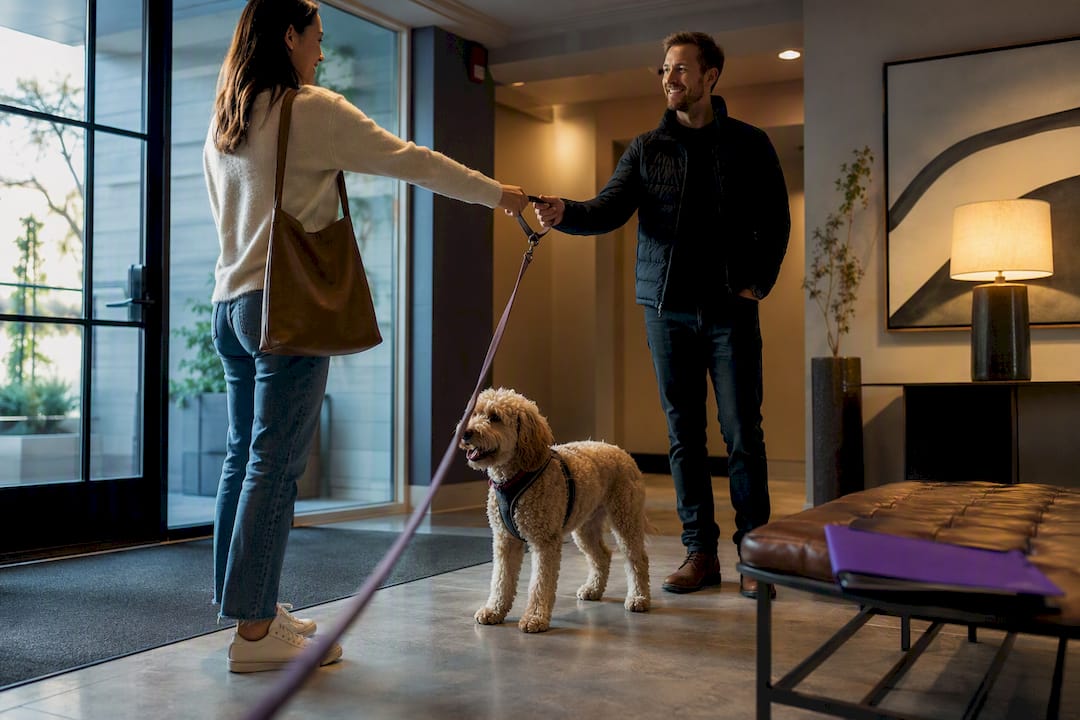
Yes, a trusted neighbor can serve as a reliable emergency caregiver for your pet, but only within limits: short check-ins, predictable routines, and low medical needs. For overnight stays, medications, or health emergencies, you need a documented plan with clear escalation steps, and a backup layer like an automated wellness check-in service to catch what goodwill alone can miss.
TL;DR:
- Neighbor care is suitable only for pets with low medical needs, simple routines, and short absences under 48 hours; more complex cases require professionals.
- Building a reliable neighbor backup involves a meet-and-greet, detailed written instructions, signed emergency authorization, and testing emergency scenarios.
- Legal liability can be significant, making formal agreements and vet authorizations essential, especially for pets with ongoing health issues or longer absences.
- Neighbors should have access to an emergency contact list, vet information, medication logs, and clear home access instructions, with explicit escalation plans for health emergencies.
- Using automated wellness check-ins, like MyPetsSafetyNet, adds a crucial layer of oversight, reducing reliance on goodwill and ensuring timely response during emergencies.
Table of Contents
- Is Neighbor as Pet Caregiver the Right Fit? A Quick Checklist
- How Do You Turn a Neighbor Into a Reliable Backup Caregiver?
- What Are the Liability and Legal Considerations?
- What Documents and Protocols Does Your Neighbor Actually Need?
- How Do You Lower the Risk Without Overloading Your Neighbor?
- Why a Documented Backup Plan Beats Relying on Goodwill Alone
- How MyPetsSafetyNet Fits Into Your Neighbor Care Plan
- Sources
Is Neighbor as Pet Caregiver the Right Fit? A Quick Checklist
Before you knock on your neighbor’s door, run through this checklist. It takes two minutes and saves you from a much worse conversation later.
Neighbor care tends to work well when:
- Your pet needs a quick check-in, not round-the-clock supervision.
- Feeding, walking, and litter routines are simple and consistent day to day.
- Your pet is healthy, calm around strangers, and not on a strict medication schedule.
- You’ll be gone for a few hours or one night, not a week.
Red flags that should send you toward a professional pet sitter or a family member instead:
- Your pet needs medication given at specific times or by injection.
- Your pet is recovering from surgery or has a chronic condition that could flare up.
- Your pet is aggressive, anxious around unfamiliar people, or a known escape risk.
- You’ll be unreachable for more than 48 hours.
Pro Tip: If you count two or more red flags, don’t proceed with informal neighbor care. Book a professional sitter or boarding facility instead. This isn’t about trust, it’s about matching the caregiver’s ability to the pet’s actual needs.
How Do You Turn a Neighbor Into a Reliable Backup Caregiver?
Good intentions don’t replace preparation. Here’s how to move from “sure, I can check on Bella” to an arrangement you can actually count on.
- Schedule a meet-and-greet. Let your neighbor spend time with your pet while you’re home, then arrange one trial visit while you step out briefly. Trial runs surface compatibility problems and comfort levels a phone conversation never will.
- Build two documents, not one. Create a one-page emergency card with the essentials, feeding times, allergies, vet phone number, and your emergency contacts, plus a fuller instruction packet covering alarm codes, quirky appliances, and behavior cues. Owners who rely on informal care often end up handing over pages of notes anyway, so organizing it upfront saves everyone time, a pattern documented in reporting on house-sitting arrangements.
- Agree on the practical details. Set the visit schedule, how you’ll communicate (texts, photos, a quick call), whether you’re paying or trading favors, and what happens if either of you needs to cancel.
- Get a signed vet authorization. This lets your neighbor approve emergency treatment if you’re unreachable, closing a gap that professional pet sitters routinely cover but informal arrangements often skip.
- Run a test scenario. Walk through what your neighbor should do if your pet seems sick, if they can’t reach you, or if the vet needs a decision. Practicing this once beats improvising it during a real emergency.
Pro Tip: Keep the one-page card in your neighbor’s phone as a photo, not just on paper. Paper gets left on the counter; phones go everywhere.
For a broader framework, our guide on building a backup pet caregiver plan walks through how to layer neighbor help with other contacts.
What Are the Liability and Legal Considerations?
Letting someone else into your home to care for your pet carries real legal weight, even between friendly neighbors. If your neighbor gets bitten, trips over a leash, or your dog damages their property, your homeowner’s insurance could be pulled into a claim. Dog-related liability claims tend to be costly, and informal arrangements often leave both sides without a documented plan if something goes wrong.
Two documents reduce your exposure significantly:
- A written pet caretaker agreement spelling out what your neighbor is and isn’t responsible for.
- A signed vet authorization giving them the legal standing to approve emergency treatment.
Keep both on file, and give a copy to your vet’s office. Our breakdown of pet caretaker agreements covers what to include and why insurers care about this paperwork.
If your pet has ongoing medical needs or you’ll be gone longer than a weekend, a professional sitting service with its own liability coverage is usually the safer call.
What Documents and Protocols Does Your Neighbor Actually Need?
When something goes wrong, your neighbor shouldn’t be guessing. They should be following a plan you already wrote down.
Every neighbor caregiver needs access to:
- An emergency contact list, ordered by priority.
- Your vet’s name, phone number, and address.
- A medication log, if applicable, with dosages and times.
- A brief medical history covering allergies or chronic conditions.
- The signed vet authorization mentioned earlier.
- Clear home access instructions, including alarm codes and where keys are stored.
Set a clear escalation timeline before you leave. For example: if your pet seems off, text you immediately. If you don’t respond within 30 minutes, call your emergency contact. If symptoms look serious, or your pet’s abdomen looks swollen and they seem restless, that’s when the vet gets called without waiting for permission.
That last point matters more than it sounds. Conditions like bloat become dramatically more dangerous with every hour of delay, and a neighbor who hesitates to “bother you” could cost precious time. Give explicit permission upfront to act first and explain later.
Store alarm codes and key locations separately from the emergency card, ideally in a sealed envelope or a password-protected note, so a lost card doesn’t become a break-in risk. Our emergency pet care plan guide has a printable template for both the card and the fuller folder.
How Do You Lower the Risk Without Overloading Your Neighbor?
A little training goes a long way, and it doesn’t need to feel like homework.
Walk your neighbor through the basics: how to give a pill hidden in food, what bloat or poisoning symptoms look like, and when a limp or lethargy is urgent versus something to just note. Professional pet-sitting services typically require daily visits and comfort with basic medication administration, which gives you a useful benchmark for what your neighbor should realistically handle.
Make the job easier with simple tools:
- Label medication bottles clearly, with dosage written on the outside.
- Use a one-line daily log (fed, walked, meds given) instead of a full journal.
- Put a wearable ID tag on your pet with your phone number, not just theirs.
Pro Tip: Set compensation expectations before the first visit, even if it’s just a thank-you gift card. Money left unspoken tends to strain neighbor relationships faster than the pet care itself.
If your neighbor cancels last minute more than once, that’s your signal to build in redundancy, not just hope for better luck next time.
Why a Documented Backup Plan Beats Relying on Goodwill Alone
Favors are fragile. A neighbor who’s happy to check on your cat once might feel differently after three unplanned calls, or after a scare they weren’t prepared for. Relying purely on goodwill puts strain on the relationship and leaves your pet’s safety hanging on someone else’s schedule staying open.
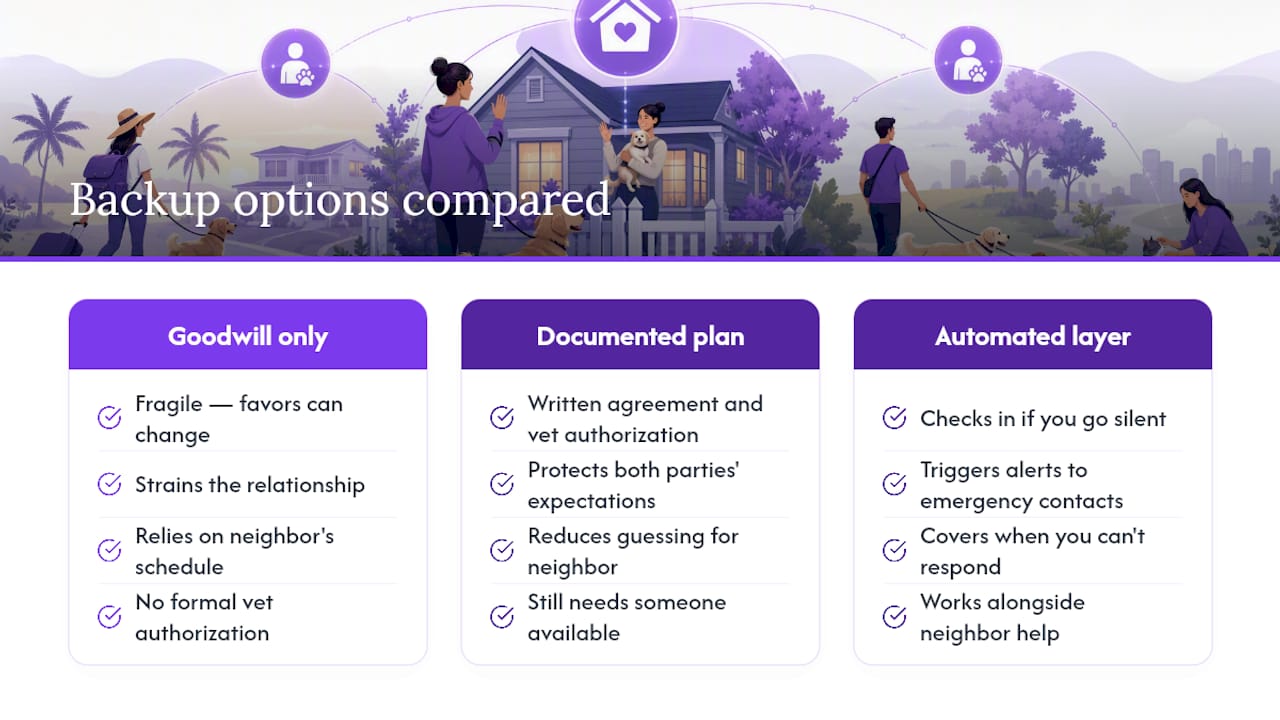
Documentation protects both of you. A written agreement and a vet authorization aren’t about distrust, they’re about making sure your neighbor never has to guess what you’d want. But paperwork alone doesn’t solve the biggest gap: what happens if you can’t respond when something goes wrong?
That’s where an automated layer earns its place. MyPetsSafetyNet handles the part a neighbor can’t, checking in on you and triggering alerts to your emergency contacts if you go silent. Treat neighbor help as one solid layer in a plan, not the entire plan.
— MyPetsSafetyNet
How MyPetsSafetyNet Fits Into Your Neighbor Care Plan
Neighbor care works best when it’s backed by something that never forgets to check in. The service sends scheduled wellness check-ins by text, call, or email, and if you don’t respond, it automatically alerts your emergency contacts with pet care details already attached.
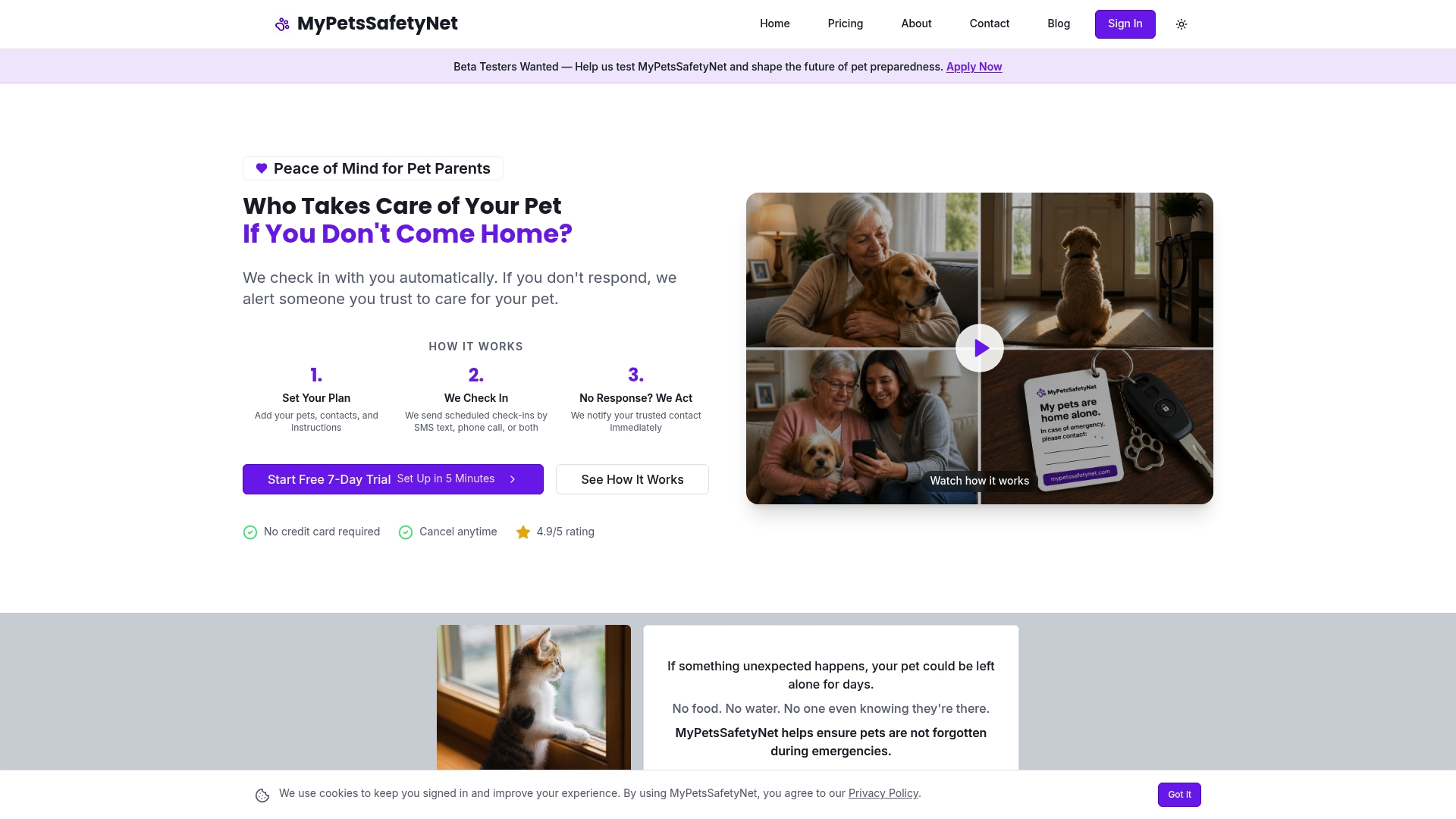
For your neighbor, that means fewer ad hoc decisions and no guessing about who to call or what your pet needs. It stores pet profiles, feeding schedules, and medical notes so instructions arrive already organized instead of scribbled on a sticky note. If you’re unresponsive, escalation happens automatically, without your neighbor having to decide when “worried” becomes “time to act.”
Start with the free pet card template to build your one-page emergency summary today, then explore the full check-in service to add the automated layer your neighbor arrangement is missing.
Sources
- Follow these many simple steps to be a successful house sitter (NorthJersey)
- 6 Ways Professional Pet Sitters are Better Than the Neighbors – WoofPack Pet Care
- Neighbor vs Professional Pet Sitter: Hidden Risks (203 Pet Service)