Final Wishes for Pets: A Solo Owner’s Planning Guide

Your pet’s final wishes are documented instructions that cover emergency care, end-of-life decisions, and aftercare preferences so your companion receives the compassion they deserve, even when you can’t be there to direct it. For solo pet owners, having this plan in place isn’t optional. It’s one of the most caring things you can do.
Here’s what a complete plan covers:
- Euthanasia preferences: Whether you want in-home euthanasia or a clinic setting, and whether you’d like to be present during the procedure
- Aftercare decisions: Private cremation (ashes returned within 7 business days), communal cremation (no ashes returned), or home burial subject to local ordinances
- Designated caregiver: A trusted person who can step in immediately if you’re incapacitated
- Financial provisions: Funds or a pet trust set aside for euthanasia, cremation, and ongoing care costs
- Emergency notification: A system that alerts your contacts if you’re unable to care for your pet
- Written documentation: A formal record of all the above, shared with your vet, caregiver, and family
Table of Contents
- How to plan emergency and end-of-life care as a solo pet owner
- What are your options for pet cremation and home burial?
- How Mypetssafetynet protects your pet if you face an emergency
- How to write and maintain your pet’s final wishes document
- Key Takeaways
How to plan emergency and end-of-life care as a solo pet owner
Planning ahead while your pet is stable lets you make thoughtful decisions rather than crisis-driven ones. Animal hospice experts consistently recommend proactive end-of-life planning as the most loving gesture you can offer, because it allows your pet to spend their final moments in familiar surroundings with the people they trust.
Start by designating a caregiver. This person should know your pet, have access to your home, and understand your wishes in detail. Have an honest conversation with them, not just a quick ask. Walk them through your pet’s medical history, daily routine, dietary needs, and your end-of-life preferences.
Key components to build into your plan:
- Advance directive for pet care: A written document covering treatment preferences, do-not-resuscitate wishes, and quality-of-life thresholds
- Veterinary contact list: Your primary vet, an emergency clinic, and any specialists your pet sees
- Financial account or fund: Dedicated money for euthanasia, cremation, and caregiver expenses; for guidance on managing these costs, the pet care costs guide from Mypetssafetynet offers practical context for fixed-income and solo owners
- Quality-of-life benchmarks: Objective tools like veterinary hospice scales, recommended by the American Animal Hospital Association, help you and your vet decide on timing without relying solely on emotion
- Backup caregiver: Always name a second person in case your primary contact is unavailable
The American Association of Feline Practitioners stresses that advance care discussions should be ongoing, not a one-time event. Your pet’s health changes, and your plan needs to keep pace.
Pro Tip: Set a calendar reminder every six months to review your pet’s plan. After any significant health diagnosis or life change, review it immediately.
What are your options for pet cremation and home burial?
Once you’ve made the decision to say goodbye, aftercare choices deserve the same careful thought as the rest of your plan. The two main paths are cremation and burial, each with distinct logistics.
| Aftercare Option | What It Means | Ashes Returned? | Typical Timeframe | Notes |
|---|---|---|---|---|
| Private cremation | Your pet cremated alone | Yes | Within 7 business days | Higher cost; most personal option |
| Communal cremation | Cremated with other pets | No | Varies | Lower cost; no remains returned |
| Home burial | Buried on your property | N/A | Immediate | Must comply with local ordinances |
| Pet cemetery | Burial in a dedicated facility | N/A | Scheduled | Ongoing maintenance fees may apply |
Home burial feels right for many owners, but local city and county ordinances often restrict or regulate it due to environmental concerns. Always verify your municipality’s rules before making this choice.
Memorial keepsakes help many owners find closure. Common options include:
- Clay paw prints or nose prints, often offered at no charge by veterinary clinics
- Fur clippings kept in a keepsake box or locket
- Custom urns or engraved memorial stones
- A framed photo display or memory book
- Planting a tree or garden in your pet’s honor
For pets in palliative stages, nutritional care is another area worth discussing with your vet, since comfort-focused feeding can meaningfully improve quality of life in final weeks.
How Mypetssafetynet protects your pet if you face an emergency
Solo pet owners face a specific risk: if something happens to you, your pet may be left alone with no one aware of the situation. Mypetssafetynet was built to solve exactly that problem.
The service works by notifying your designated emergency contacts promptly when you’re incapacitated or unreachable, so they can check on both you and your pets without delay. For solo owners, this kind of emergency care notification fills a gap that no written document alone can cover.
Key features and benefits:
- Prompt contact notification: Your chosen contacts are alerted quickly, reducing the time your pet spends alone
- Customizable contact list: You decide who gets notified and in what order
- Peace of mind for daily life: Knowing the system is active lets you live independently without constant worry
- Complements your written plan: Works alongside your final wishes document, not instead of it
- US-based service: Designed with American pet owners and their legal context in mind
Regularly updating your emergency contacts and keeping your plan current prevents confusion and supports care continuity when it matters most. Solo seniors especially benefit from pairing a notification service with a written directive. The aging alone with pets guide from Mypetssafetynet covers this intersection in practical detail.
How to write and maintain your pet’s final wishes document
A written plan is only useful if it’s complete, accessible, and current. Here’s how to build one that holds up.
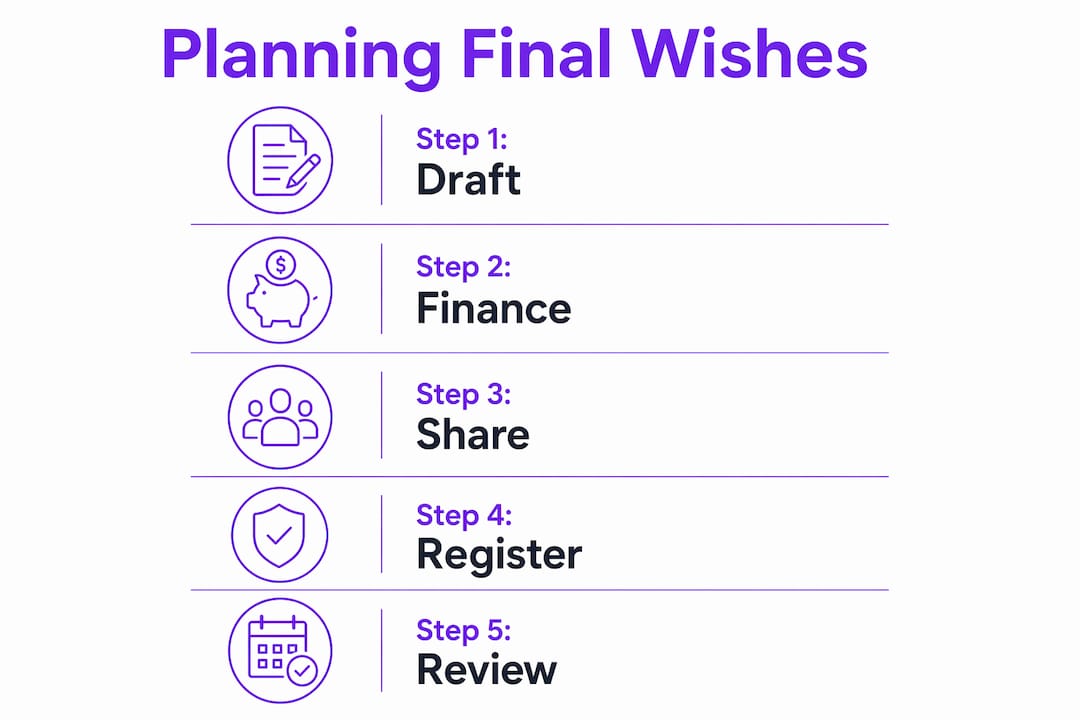
Step 1: Draft the core document. Cover your pet’s daily care routine, medical history, vet contacts, your euthanasia preferences, aftercare wishes, and the name and contact information of your designated caregiver.

Step 2: Address financial provisions. Note where funds are held, how much is set aside, and what they’re intended to cover. Consider a pet trust if you want legally binding financial protection.
Step 3: Share it widely. Give copies to your caregiver, a backup contact, your veterinarian, and a trusted family member or friend. Don’t keep it only on your phone or computer.
Step 4: Register with an emergency notification service. A document no one knows to look for won’t help your pet. Mypetssafetynet bridges that gap by actively alerting your contacts.
Step 5: Review and update regularly. As your pet’s health changes, so should the plan. Veterinarians and hospice experts recommend revisiting final wishes plans as health evolves to keep them relevant.
Note that pet final wishes documents are generally statements of intent and not legally binding on their own. To give your wishes legal weight, an estate planning professional can integrate them into a will or trust.
Pro Tip: Ask your estate attorney about a pet trust, which can legally designate funds and a caregiver for your pet’s ongoing care, including end-of-life expenses.
Key Takeaways
A complete pet end-of-life plan combines a written final wishes document, a designated caregiver, financial provisions, and an active emergency notification service like Mypetssafetynet.
| Point | Details |
|---|---|
| Document your wishes now | Write down euthanasia preferences, aftercare choices, and caregiver details while your pet is stable. |
| Private cremation returns ashes | Private cremation typically returns your pet’s ashes within 7 business days; communal cremation does not. |
| Verify home burial laws | Local city and county ordinances often restrict home burial; check your municipality’s rules first. |
| Use an emergency notification service | Mypetssafetynet alerts your contacts promptly if you’re incapacitated, keeping your pet from being left alone. |
| Update the plan regularly | Review your pet’s care plan every six months or after any significant health change to keep it current. |