Proactive Pet Planning: Your 2026 Emergency Guide
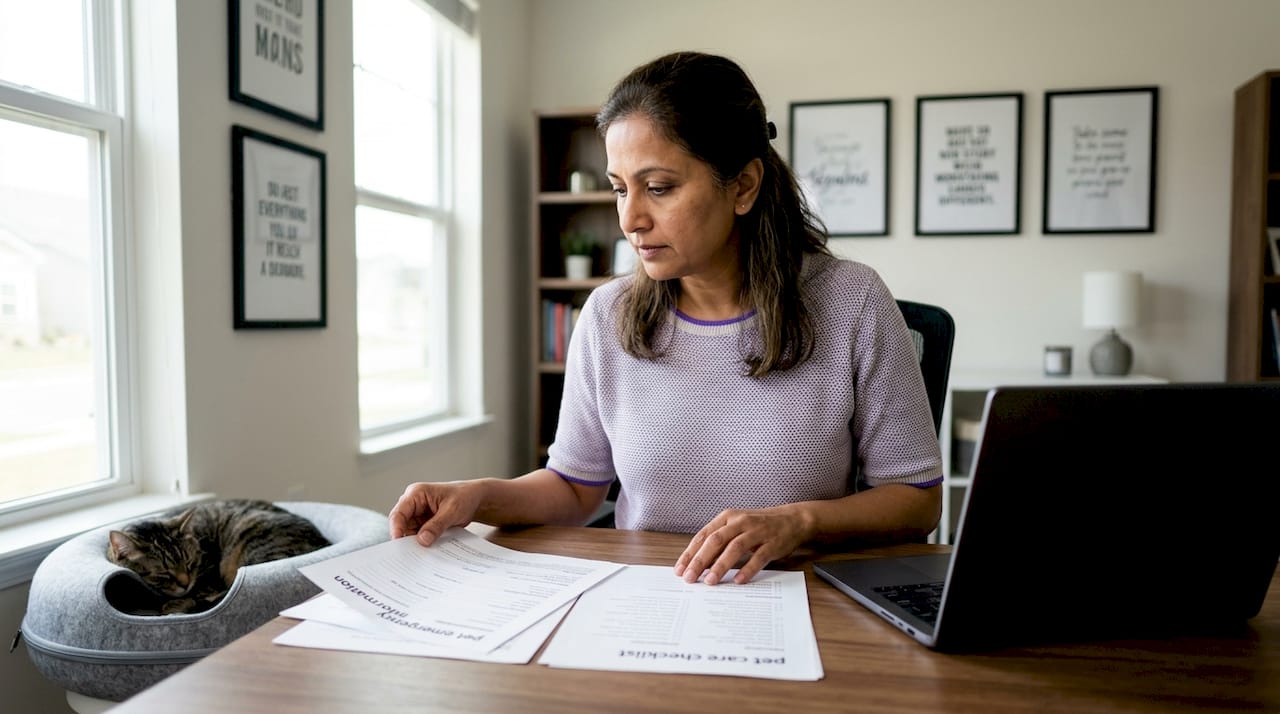
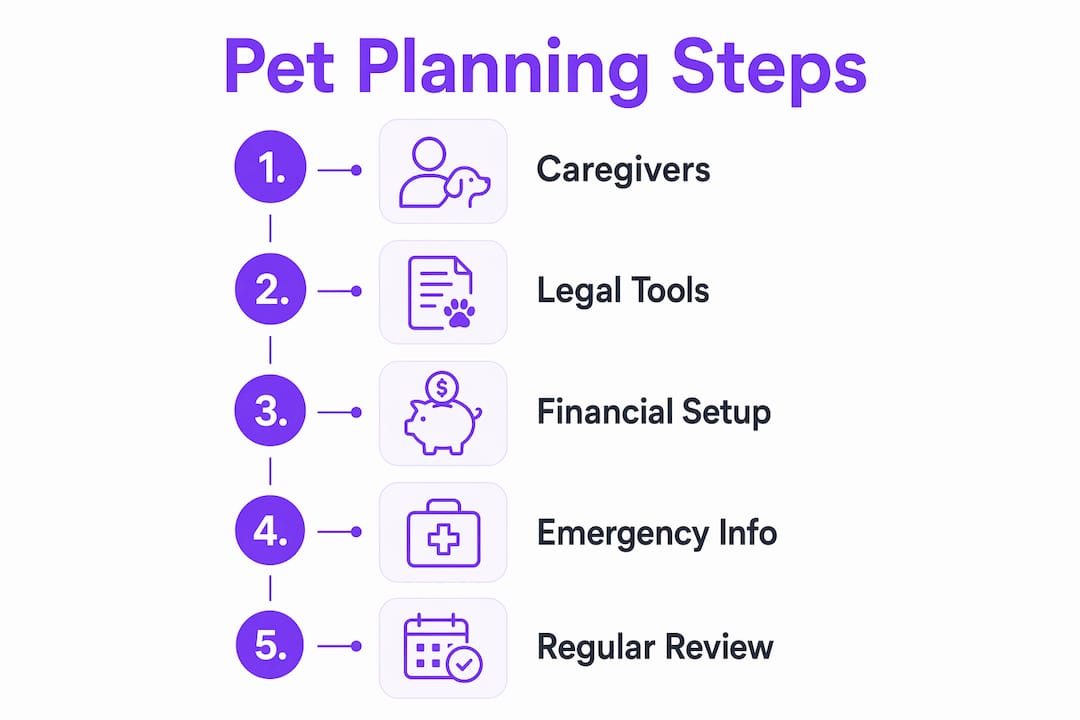
Proactive pet planning is defined as the deliberate, advance preparation a pet owner makes to guarantee continuous, quality care for their pet if the owner becomes incapacitated, hospitalized, or dies. Most pet owners assume a family member will step in automatically. That assumption is wrong. 45% of pet owners have no emergency plan for their pets, leaving animals vulnerable to uncertain and often harmful outcomes. A complete plan covers three core areas: caregiver designation, legal documentation such as pet trusts, and written emergency protocols. Mypetssafetynet exists specifically to fill the gap when an owner cannot speak for themselves.
What is proactive pet planning and what does it include?
Proactive pet planning is a structured approach to pet care that prepares for situations you cannot predict. It goes well beyond naming a friend who “would probably take the dog.” A real plan identifies both short-term and long-term caregivers, documents every detail of your pet’s medical history, and creates legal tools that enforce your wishes even after you are gone.
The essential elements of a complete plan include:
- Caregiver selection. Name at least two people: one for immediate emergencies and one for long-term care. Confirm their willingness in writing and share your pet’s full routine with them.
- Medical records and veterinary contacts. Provide caregivers with your vet’s name, phone number, your pet’s medication list, known allergies, and any chronic conditions. A care transition fails most often because this information is missing.
- Emergency action plan. Write down exactly what a caregiver or first responder should do in the first 24 hours. Include feeding schedules, behavioral notes, and the location of supplies.
- Legal documents. A pet trust, a will that names your pet’s caregiver, or a durable power of attorney for pet care each serve different purposes. Know which one fits your situation.
- Financial provisions. Designate funds specifically for pet care so caregivers are not left paying out of pocket.
Pro Tip: Keep a laminated one-page summary of your pet’s care instructions inside your front door and in your wallet. Emergency responders and caregivers can act immediately without searching for information.
If you’re unsure where to start, the pet care network guide from Mypetssafetynet walks through how to build a reliable care network step by step.
How does proactive pet planning support senior pets?
Senior pets represent a growing share of the animals in American homes. Senior dogs and cats make up 44% of the pet population, and their care needs are significantly more complex than those of younger animals. That demographic reality makes a proactive elder pet strategy not optional but necessary.
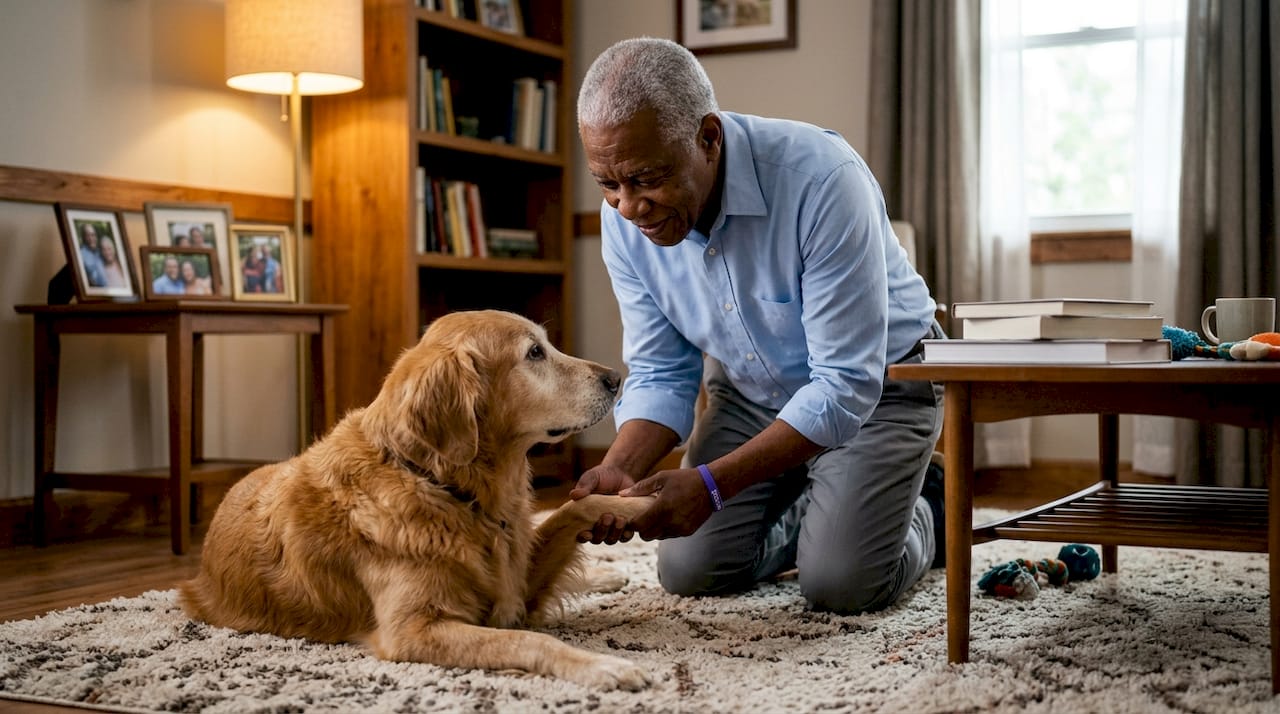
Veterinary guidelines recommend twice-yearly diagnostics for senior pets to catch hidden diseases before they become crises. Early detection of kidney disease, arthritis, or cognitive decline gives owners and caregivers time to adjust care plans rather than react in panic.
A strong senior pet plan addresses these specific needs:
- Chronic care management. Document all ongoing treatments, dosing schedules, and the name of any specialist your pet sees.
- Environmental adaptations. Note changes you’ve already made, such as ramps for arthritic joints or non-slip mats, so a caregiver can maintain them.
- Palliative and comfort care. Write down your pet’s quality-of-life preferences and your wishes regarding end-of-life decisions.
- Behavioral notes. Aging pets often develop anxiety or confusion. Caregivers need to know what triggers stress and how to respond.
Aging pets require a team approach involving vets, behaviorists, and caregivers to manage complex needs and maintain quality of life. No single person can carry that responsibility alone, and a written plan is what holds the team together.
Many owners avoid scheduling senior diagnostics because they fear what the results might show. Reframing that fear as protection rather than bad news is the shift that leads to timely, life-extending care. You can find practical resources for managing aging pets through Mypetssafetynet’s senior pet care guide.
What legal and financial tools protect your pet’s future?
Informal agreements with family members are the most common and most unreliable form of pet planning. Legal experts warn that verbal promises and handshake arrangements routinely fall apart when circumstances change. A pet trust is the only legally enforceable mechanism that guarantees resources go exclusively to your pet’s care.
There are three main legal structures to understand:
- Living pet trust. This trust is active while you are alive and funds care immediately if you become incapacitated. It does not require probate, so caregivers receive access to funds without delay.
- Testamentary pet trust. This trust is written into your will and activates only after your death. It goes through probate, which can delay funding by weeks or months.
- Stand-alone pet trust. This is a separate legal document dedicated entirely to your pet. It can name both a caregiver and a financial trustee, keeping the two roles distinct.
Pro Tip: Separate your financial trustee from your daily caregiver. The trustee manages the money; the caregiver manages the pet. That separation creates accountability and prevents misuse of funds.
Separating these two roles is a detail most owners overlook. Without it, a single person controls both the funds and the care decisions, with no oversight.
| Legal tool | Best used when |
|---|---|
| Living pet trust | You want immediate protection during incapacity |
| Testamentary pet trust | You want pet care included in your existing will |
| Stand-alone pet trust | You want a dedicated, detailed care document |
| Durable power of attorney | You need someone to make decisions during a temporary incapacity |
Life insurance policies or savings accounts earmarked for pet care can fund any of these structures. The key is naming the trust, not an individual, as the beneficiary so funds cannot be redirected.
How do you implement and communicate your pet plan effectively?
A plan that exists only in your head protects no one. The plan must be documented, shared, and physically accessible to the people who need it. Pet owners benefit emotionally and practically from discussing care plans early, because it removes the pressure of crisis-driven decisions from everyone involved.
Here is how to make your plan work in practice:
- Write detailed care instructions for each pet. Include feeding amounts, meal times, exercise needs, favorite toys, and any behavioral quirks. A caregiver who has never met your cat needs this information on day one.
- Place emergency notices in visible locations. Emergency notices in your vehicle’s glove box and on your front door tell first responders that pets are inside and who to call. This single step can save your pet’s life.
- Tell your veterinarian about your plan. Ask them to keep a copy of your caregiver’s contact information on file. Vets are often the first professionals contacted in a pet emergency.
- Name backup caregivers. Life changes. Your primary caregiver may move, become ill, or simply be unavailable. A backup prevents your plan from collapsing at the worst moment.
- Use a notification service. Services that alert your emergency contacts if you become unreachable add a layer of protection that documents alone cannot provide.
Pro Tip: Review your plan every 12 months or after any major life change, such as a move, a new pet, or a change in your pet’s health. An outdated plan can be as harmful as no plan at all.
If you’ve ever wondered what happens to your pets during a hospitalization, the answer depends entirely on whether you have communicated a plan in advance.
Key Takeaways
Proactive pet planning requires caregiver designation, legal documentation, and accessible emergency instructions to protect pets when owners cannot speak for themselves.
| Point | Details |
|---|---|
| Start with caregivers | Name a primary and backup caregiver and confirm their commitment in writing. |
| Use a pet trust | A written pet trust is the only legally enforceable way to fund your pet’s care. |
| Separate roles | Assign a financial trustee and a daily caregiver as two different people for accountability. |
| Make the plan visible | Place emergency notices at your front door and in your vehicle for first responders. |
| Plan for senior pets | Schedule twice-yearly vet diagnostics and document chronic care needs in detail. |
Why I believe most pet owners are one emergency away from a crisis
At Mypetssafetynet, we hear from pet owners after the emergency has already happened. A solo pet parent is hospitalized unexpectedly. A neighbor notices the dog hasn’t been walked in two days. A family scrambles to find the vet’s number. These situations are not rare. They are the predictable result of planning that never happened.
The most common hesitation I see is discomfort with the topic itself. Thinking about your own incapacity or death feels morbid. But your pet does not have the luxury of waiting for you to feel ready. The animals in our care depend on us to think ahead on their behalf.
What surprises most people is how much relief follows the planning process. Once you’ve named a caregiver, written the instructions, and set up a notification system, the anxiety lifts. You stop carrying the quiet worry that something could go wrong with no one knowing. That peace of mind is not a bonus. It’s the whole point.
The detail most owners miss is the physical accessibility of the plan. A document saved on your laptop helps no one if you’re unconscious. A laminated card on your door, a note in your wallet, and a caregiver who has a copy of everything. Those three things together make a plan real.
— Mypetssafetynet
How Mypetssafetynet supports your pet care plan
Building a plan is the first step. Keeping it active is the second.
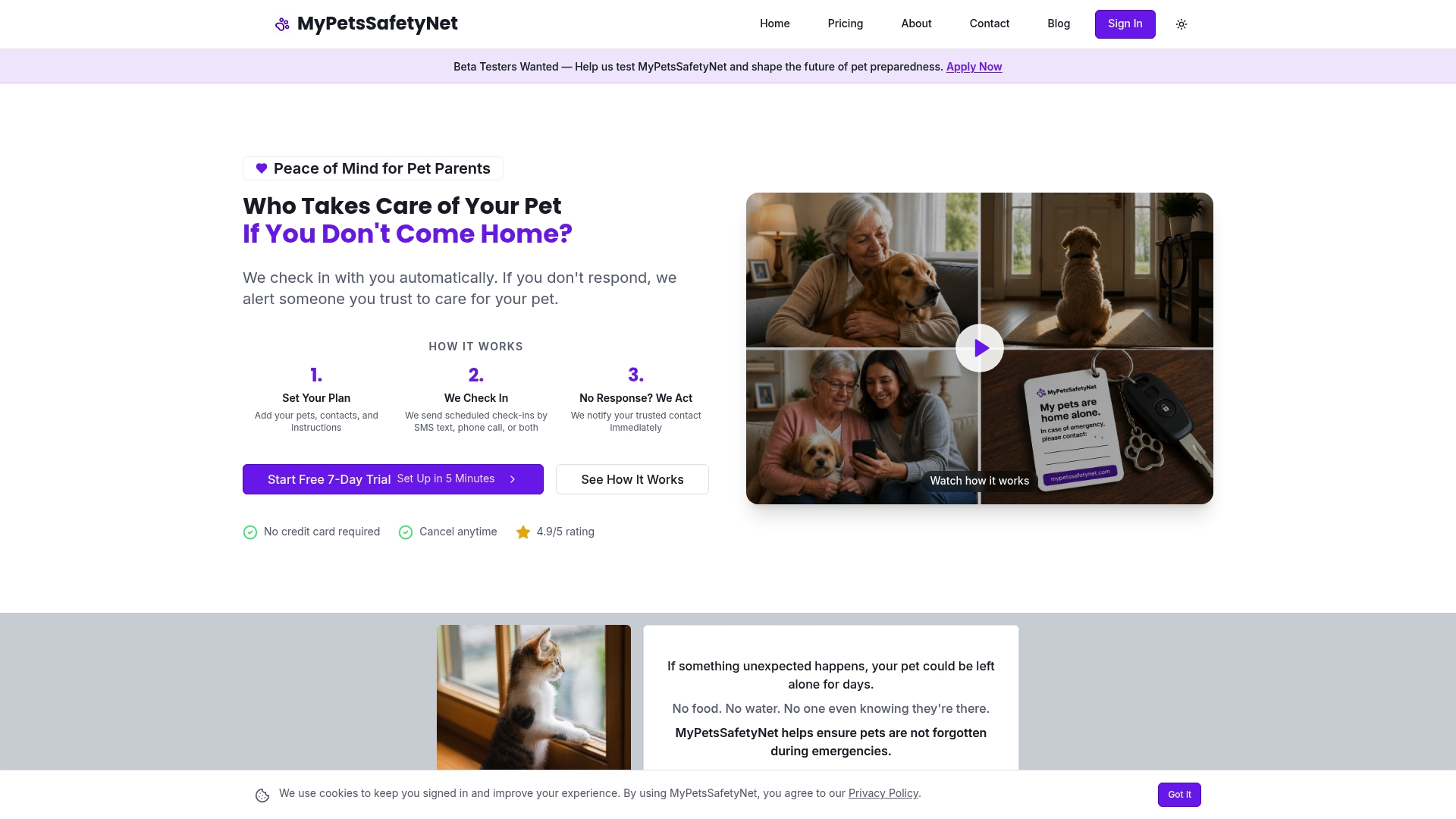
Mypetssafetynet offers wellness check-in tools designed specifically for pet owners who live alone or manage their pet’s care independently. If you miss a check-in, your designated emergency contacts receive an alert so they can reach you and your pets without delay. The service works alongside your written plan, adding a real-time layer of protection that documents alone cannot provide. You can also sign up for SMS-based notifications to stay connected with your care network. For pet owners who want genuine peace of mind, Mypetssafetynet closes the gap between having a plan and knowing it will actually work.
FAQ
What is proactive pet planning?
Proactive pet planning is the advance preparation a pet owner makes to guarantee continuous care for their pet during emergencies, incapacity, or death. It includes caregiver designation, written care instructions, and legal tools like pet trusts.
How is a pet trust different from naming a pet in a will?
A pet trust is legally enforceable and can fund care immediately, while a will goes through probate and may delay access to funds. A living pet trust activates during incapacity, not just after death.
What should I include in an emergency pet notice?
An emergency notice should include your pet’s name, species, location in the home, your caregiver’s contact information, and your veterinarian’s phone number. Place copies at your front door and in your vehicle’s glove box.
How often should I update my pet care plan?
Review your plan every 12 months and after any major life change, including a new pet, a move, or a change in your pet’s health or medications.
Why do senior pets need a separate care strategy?
Senior pets make up 44% of the pet population and require twice-yearly diagnostics, chronic care management, and environmental adaptations that younger pets do not. A proactive elder pet strategy documents these needs so any caregiver can maintain the same standard of care.