Types of Senior Pet Owner Support Services: 2026 Guide

Senior pet owner support services are defined as programs and networks that provide food delivery, veterinary care, emergency fostering, and emotional assistance to older adults who need help caring for their pets during health or mobility challenges. These services collectively address the most pressing concerns seniors face: keeping pets fed, healthy, and safe when personal circumstances change. Programs like Meals on Wheels America, PAWS San Francisco, and Pets for the Elderly operate across the country, covering everything from prescription pet food delivery to emergency foster placement. Knowing which types of senior pet owner support services exist is the first step toward building a plan that protects both you and your pet.
1. Types of senior pet owner support services: an overview
Senior pet care services fall into four core categories: nutrition support, veterinary assistance, emergency foster care, and emotional support. Each category addresses a different vulnerability that seniors face. Together, they form what practitioners call a “senior pet owner support system,” a coordinated network of people and programs that keeps pets cared for even when their owners cannot manage alone. The goal is not to replace your role as a pet owner. The goal is to fill the gaps that health challenges, limited mobility, or emergencies create.
2. Pet food delivery and nutrition support
Pet food delivery programs are the most widely available form of senior pet care services, and Meals on Wheels America leads the field. Since 2020, Meals on Wheels has delivered nearly 3 million pounds of pet food to over 51,000 older adults. That scale reflects a genuine national commitment to keeping pets fed alongside their owners.
Local chapters vary significantly in what they offer. Some provide only dry kibble. Others coordinate grooming, vet appointments, and emergency foster care. The key detail most seniors miss is that many chapters offer unadvertised services. You will not find these listed on a website. You have to call directly and ask.
Other nutrition resources include:
- Community pet food pantries operated by local humane societies and faith organizations
- Subsidized prescription diet programs through veterinary schools and nonprofit clinics
- Pet food banks coordinated by Area Agencies on Aging in many counties
Pro Tip: When you call your local Meals on Wheels chapter, ask specifically about prescription diet accommodations. Some chapters can source specialized food for pets with diabetes, kidney disease, or allergies. This is rarely advertised but frequently available.
3. Veterinary assistance and mobile healthcare programs
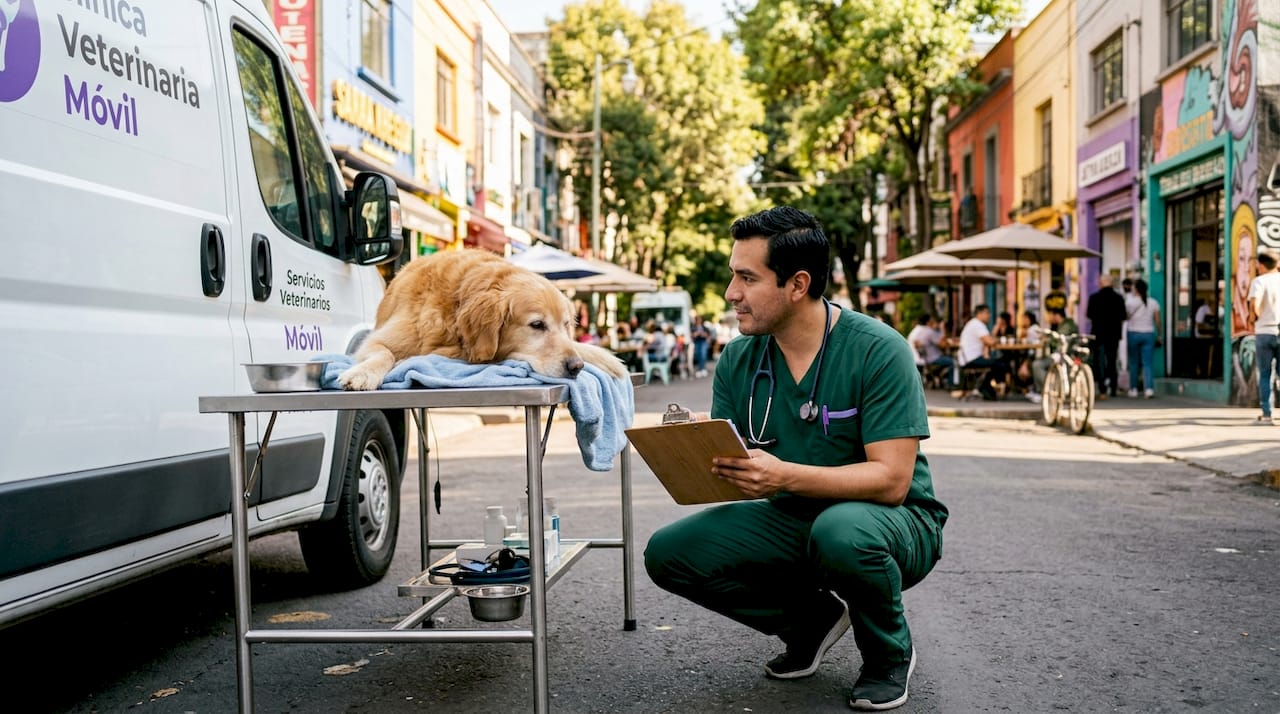
Affordable veterinary care is the second major category of pet owner assistance programs, and it’s often the hardest to access without guidance. Programs like PAWS San Francisco and Pets for the Elderly combine monthly vet subsidies, transport coordination, and emergency foster care for seniors aged 60 and older. Pets for the Elderly operates in 31 states, making it one of the broadest networks available.
University veterinary teaching hospitals offer another reliable option. These hospitals provide care at 30–60% below market rate with licensed faculty overseeing every case. Cornell, UC Davis, Colorado State, Texas A&M, Ohio State, Purdue, and the University of Minnesota all operate teaching hospitals that accept general public patients. That discount is significant for seniors on fixed incomes.
Mobile vet transport services remove the barrier of getting to a clinic entirely. These programs send volunteers or paid drivers to pick up both the senior and the pet for appointments. Key resources include:
- PAWS San Francisco for Bay Area residents
- TVMF LEAP (The Veterinary Medical Foundation’s Low-income Elderly Assistance Program)
- Local humane society transport programs in many mid-sized cities
- Volunteer driver networks coordinated through Area Agencies on Aging
Pro Tip: Ask your regular vet directly whether the practice has a hardship program or sliding-scale fees. Many private clinics offer these quietly. A single direct question can save hundreds of dollars annually.
4. Emergency foster care for hospitalization and health crises
Emergency foster care is the most critical and least planned-for service in senior pet ownership. It provides temporary care for your pet when you are hospitalized or otherwise unable to manage daily responsibilities. Emergency foster programs coordinated by Meals on Wheels chapters and humane societies step in specifically during these moments, preventing pets from being left unattended or surrendered.
The ASPCA and many regional humane societies maintain foster networks that can be activated within 24 to 48 hours. The catch is that most require pre-registration. If you wait until a crisis to call, placement takes longer and may not be available at all.
Steps to prepare before an emergency:
- Register with your local humane society’s emergency foster program before you need it
- Identify two personal emergency contacts who know your pet’s routine and location of supplies
- Write a one-page pet care summary covering feeding schedule, medications, and vet contact information
- Inform your primary care doctor that you have pets requiring care if you are hospitalized
Informal community networks also play a real role here. Neighbors, faith community members, and local pet owner groups can serve as a first line of response. The key is establishing these relationships before a crisis, not during one.
5. Emotional support groups and caregiver resources
Emotional support is a legitimate and often overlooked category of services for elderly pet owners. Pet loss support groups meet monthly in virtual or in-person formats, typically running 60–90 minutes per session, and most are free of charge. Organizations like Muttville and Potter League host recurring sessions that address grief, anticipatory loss, and the anxiety of caring for an aging pet.
The AAHA 2023 Senior Care Guidelines recommend that veterinary practices provide Senior Care Kits to clients. These kits include caregiver resource lists, pet loss support group contacts, crisis hotlines, and service provider checklists. If your vet has not offered one, ask for it by name.
Support resources in this category include:
- Virtual pet loss support groups through Muttville, Potter League, and university vet schools
- Caregiver peer networks for seniors managing pets alongside chronic illness
- Crisis hotlines recommended by the American Veterinary Medical Association
- Online forums and local meetups that reduce isolation for seniors with aging pets
Peer support matters beyond grief. Senior-specific pet networks reduce isolation by creating space to share experiences about chronic illness management and end-of-life pet care. That shared experience builds emotional resilience in ways that individual coping cannot.
6. How to create a personalized senior pet owner support system
A personalized support system is the practical answer to the question of how to care for senior pets long-term. It combines formal programs with personal contacts into a plan that works before, during, and after a health event. Proactively building this system prevents health setbacks from escalating into emergency pet surrenders, which is the outcome every senior pet owner wants to avoid.
The most common mistake seniors make is asking for help in vague terms. “Can you help with my dog sometime?” rarely produces reliable support. Specific requests like “Can you be my emergency contact if I’m hospitalized for a week?” are far more likely to get a committed yes. Specificity gives the other person a clear, manageable task.
Build your system using this numbered approach:
- List your pet’s full care needs including feeding times, medications, exercise requirements, and behavioral notes
- Identify three people who can each take on one specific task in an emergency
- Enroll in at least two formal programs such as Meals on Wheels pet services and a local humane society foster network
- Write a pet authorization letter that includes medication schedules, your vet’s contact information, and payment authority for care decisions
- Store copies of the letter with your emergency contacts, your vet, and in a visible location at home
A written pet authorization letter prevents delays in care when you cannot communicate your wishes directly. Veterinary providers and senior-focused services both recommend this document as a core part of any care plan. You can also formalize longer-term arrangements through a pet trust, a legal document that designates a caregiver and allocates funds for your pet’s care after your death or incapacitation.
For seniors managing pets alongside chronic illness, the guide on pet ownership during chronic illness provides a detailed framework for medication management and emergency planning.
Pro Tip: Enroll in multiple programs simultaneously rather than waiting to see if one is enough. Programs have waitlists, eligibility changes, and funding gaps. Redundancy is not overkill. It’s the only reliable strategy.
Key takeaways
The most effective senior pet owner support system combines formal programs like Meals on Wheels and emergency foster networks with personal contacts and written care documents prepared before any crisis occurs.
| Point | Details |
|---|---|
| Start with food and vet programs | Enroll in Meals on Wheels pet services and a local vet assistance program as your foundation. |
| Pre-register for emergency foster care | Contact your humane society before a crisis to secure a foster placement option. |
| Make specific requests | Ask contacts for one clear task, such as one week of emergency pet care, not open-ended help. |
| Write a pet authorization letter | Document medications, vet contacts, and payment authority so caregivers can act immediately. |
| Use emotional support resources | Access AAHA-recommended Senior Care Kits and pet loss support groups to manage caregiver stress. |
What I’ve learned about senior pet care planning after years of working with owners
Most seniors I’ve worked with wait too long. They assume their health will hold, their family will figure it out, or that a crisis is unlikely. Then a hospitalization happens, and the scramble begins. The pet ends up in a shelter or with a neighbor who wasn’t prepared, and the owner spends their recovery worrying instead of healing.
The programs described in this article are real and accessible. But they only work if you engage with them before you need them. Meals on Wheels chapters, humane society foster networks, and AAHA-recommended caregiver kits are not emergency services you call in a panic. They are systems you build into your life when things are calm.
The emotional piece matters just as much as the logistics. Seniors who participate in support groups for pet owners consistently report lower anxiety about end-of-life planning for their pets. That peace of mind has a direct effect on the owner’s own health outcomes. Pets are not a burden to manage. They are a source of stability, and protecting that relationship is worth the planning effort.
My honest recommendation: start with one phone call this week. Call your local Meals on Wheels chapter and ask what pet services they offer. That single call will tell you more about what’s available in your community than any online search. Build from there.
— Mypetssafetynet
Mypetssafetynet: wellness check-ins designed for senior pet owners
Mypetssafetynet was built specifically for the situation this article describes. If something happens to you and you live alone, your emergency contacts are notified promptly so they can check on both you and your pets.
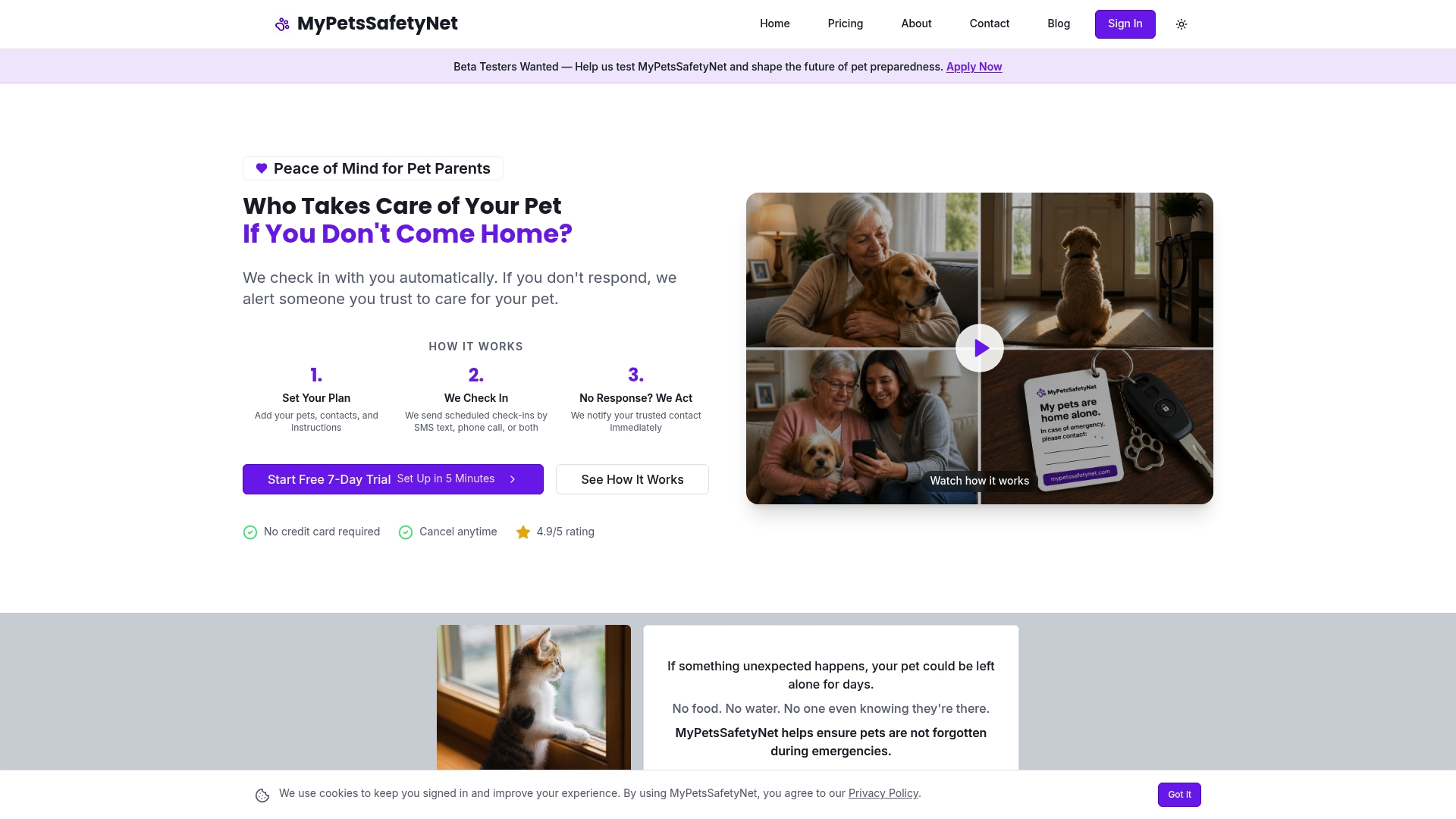
The service works alongside the community programs covered here. Meals on Wheels handles food. Your humane society handles emergency fostering. Mypetssafetynet handles the notification layer that connects everything when you can’t make that call yourself. You can learn more about how wellness check-ins work and set up your personal emergency contact list today. For a broader look at resources available to you, the pet care help resources guide covers the full picture of senior pet care support in 2026.
FAQ
What is a senior pet owner support system?
A senior pet owner support system is a coordinated network of formal programs and personal contacts that provides pet food, veterinary care, emergency fostering, and emotional support when a senior owner faces health or mobility challenges. It combines services like Meals on Wheels pet programs with personal emergency contacts and written care documents.
How do I find emergency foster care for my pet if I’m hospitalized?
Contact your local humane society or Meals on Wheels chapter before a hospitalization occurs, as most emergency foster programs require pre-registration. The ASPCA and regional humane societies maintain foster networks that can be activated within 24 to 48 hours for pre-registered seniors.
Are there free support groups for pet owners dealing with pet loss?
Yes. Organizations like Muttville and Potter League offer free monthly pet loss support groups in virtual and in-person formats, typically lasting 60–90 minutes per session. Your veterinarian can also provide an AAHA-recommended Senior Care Kit that includes a list of crisis contacts and support group resources.
What should a pet authorization letter include?
A pet authorization letter should include your pet’s medication schedule, your veterinarian’s contact information, feeding and care instructions, and written payment authority for care decisions. Veterinary providers recommend keeping copies with your emergency contacts, your vet’s office, and in a visible location at home.
Does Meals on Wheels deliver pet food in every state?
Meals on Wheels America operates nationally, but pet food delivery and related services vary by local chapter. Call your local chapter directly to confirm what pet services are available, as many programs are unadvertised and only accessible by asking.