Pet Care Network for Singles: Your 2026 Guide

A pet care network for singles is a structured support system of trusted people and professional services that ensures your pet receives reliable care when you’re unavailable. Unlike pet owners who share a household, single pet owners carry the full responsibility alone. There’s no partner to step in during a hospital stay, a work emergency, or an unexpected health crisis. Building this network before you need it is the single most important thing you can do for your pet’s safety. Services like Mypetssafetynet exist specifically to fill this gap, providing wellness check-ins and emergency notifications so your contacts are alerted the moment something goes wrong.
What does a pet care network for singles include?
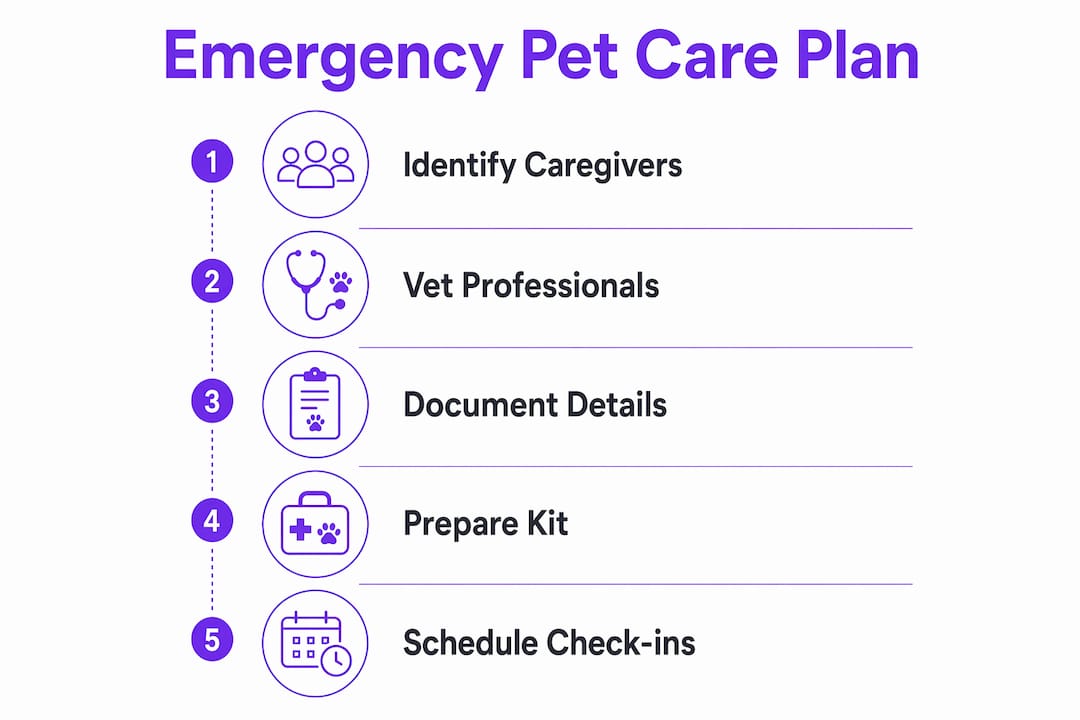
A pet care network for singles combines at least two trusted emergency caregivers, a registered veterinarian, written care documentation, and a prepared pet care kit. Proactive planning before any emergency is the most important factor in whether a network succeeds or fails. Building one after a crisis has already started almost always leads to gaps in care.
Single pet owners face a specific vulnerability that partnered owners rarely think about. If you’re hospitalized or incapacitated, no one automatically knows your pet is home alone. A formal network closes that gap with named people, written instructions, and a clear chain of contact.
The four core components every single pet owner needs are:
- At least two emergency caregivers. One person may be unavailable. Always have a backup. Vet both people in advance, not just the primary contact.
- A registered veterinarian. Register with a vet immediately after getting a pet. Your emergency contacts need a vet they can call with authority.
- Written emergency documentation. This includes your pet’s daily routine, feeding schedule, medication instructions, behavioral notes, and your vet’s contact information. Keep a printed copy accessible at home.
- A dedicated pet care kit. A well-prepared kit includes non-perishable food, water, medications, vaccination records, a leash, first aid supplies, and one or two comfort items your pet recognizes.
Pro Tip: Schedule a free initial consultation with a professional pet sitter before you ever need one. Professional in-home visits typically run 20–60 minutes and let your pet meet the sitter in a calm setting, which reduces stress during an actual emergency.
How do you find and vet reliable pet care services?
Reliable pet care services for singles fall into two categories: professional platforms and community networks. Both serve different purposes, and the strongest support systems use both together.

Professional pet sitting platforms offer verified caregivers, background checks, and financial protections. Some platforms charge 0% owner fees, offer cashback, and include vet coverage per booking with no deductible. That kind of financial protection matters when you’re managing pet care alone without a second income to absorb unexpected vet bills. Most single pet owners settle on a preferred sitter after two or three bookings, which builds the long-term reliability a network depends on.
Community networks serve a different but equally important function. Social pet owner communities often start as casual groups for walks or meetups but evolve into genuine informal safety nets. One community, Meet My Paws, has grown to over 600 members and provides the kind of flexible, localized support that professional services can’t always replicate. These connections also reduce the isolation that single pet owners often feel.
Here’s how to vet any pet care service or community contact before adding them to your network:
- Verify credentials. For professional services, confirm background checks are completed. For community contacts, meet in person before exchanging keys or access.
- Confirm vet coverage. Ask whether the platform or sitter carries liability coverage and whether vet visits are covered if your pet is injured in their care.
- Test the relationship. Book at least one non-emergency visit before you need emergency care. Your pet’s comfort with the sitter matters as much as the sitter’s qualifications.
- Clarify communication expectations. Agree in advance on how often the sitter will send updates, what format those updates take, and what triggers them to contact your emergency contacts.
- Check references. Ask for two or three references from other single pet owners specifically. Their experience will be more relevant to your situation than references from partnered households.
How do you create a formal emergency pet care plan?
A formal emergency pet care plan is a written, accessible document that tells your caregivers exactly what to do if you’re unavailable. Verbal agreements are the most common failure point in pet care networks for solo owners. Informal caregiver arrangements frequently fall apart during actual emergencies because the caregiver wasn’t fully prepared or wasn’t reachable.
Follow these steps to formalize your plan:
- Write down every care instruction. Include feeding times, portion sizes, medication schedules, behavioral triggers, and any health conditions your vet should know about.
- Document caregiver agreements in writing. A simple signed letter outlining responsibilities, access to your home, and vet authorization is far more reliable than a phone conversation.
- Store documents in a central, accessible location. A binder on your kitchen counter works. A digital copy shared with your emergency contacts works even better.
- Add a wellness check-in service to your plan. Automated check-in services notify up to five trusted contacts if you miss a scheduled check-in, including your pet care instructions. This is the layer that catches emergencies you can’t report yourself.
- Include legal authorization for vet care. Give your primary caregiver a signed letter authorizing them to approve veterinary treatment on your behalf. Without it, vets may delay care.
“Relying on a friend’s verbal promise is not a plan. A written agreement with clear instructions, vet authorization, and a backup caregiver is a plan. The difference between the two is the difference between your pet being cared for and your pet ending up in an emergency shelter.”
For more on what happens when a solo owner is hospitalized without a plan in place, the Mypetssafetynet guide on pet hospitalization scenarios covers the most common outcomes and how to prevent them.
How do you keep your pet care network current?
A pet care network requires regular maintenance. People move, change jobs, and become unavailable. A network that was solid six months ago may have gaps today.
Review and update your network on a consistent schedule:
- Confirm caregiver availability every three months. A quick text or call is enough. You’re not asking for a commitment, just confirming they’re still willing and able.
- Update your pet’s medical records seasonally. Vaccination dates, medication changes, and new health conditions need to be reflected in your emergency documentation.
- Reassess your pet sitter relationship after each booking. If the fit isn’t right, find a replacement before you’re in a situation where you have no choice.
- Review your pet care kit twice a year. Check expiration dates on medications and food. Replace anything that’s expired or depleted.
- Update your plan when your life changes. Moving to a new city, starting a new job with unpredictable hours, or adding a second pet all require adjustments to your network.
Pro Tip: Set a recurring calendar reminder every three months labeled “Pet Network Check.” Treat it like a bill payment. It takes 15 minutes and protects your pet’s safety year-round.
Life circumstances change in ways that directly affect your network’s reliability. If you’re managing a chronic health condition, your planning needs to go deeper than the average single pet owner’s. The Mypetssafetynet resource on pet ownership during illness addresses the specific adjustments that make the biggest difference.
Key Takeaways
A pet care network for singles works only when it combines written documentation, vetted caregivers, professional services, and an automated notification system built before any emergency occurs.
| Point | Details |
|---|---|
| Build before emergencies | Waiting for a crisis to build your network is the leading cause of pet care failure for solo owners. |
| Use written agreements | Verbal commitments fail under pressure. Signed, written caregiver agreements protect your pet. |
| Combine professional and community support | Professional sitters provide reliability; community networks provide flexibility and backup. |
| Automate your safety layer | Wellness check-in services notify emergency contacts automatically when you miss a check-in. |
| Review the network regularly | Confirm caregiver availability and update medical records every three months to keep the network current. |
What I’ve learned about building these networks early
At Mypetssafetynet, we hear from single pet owners after emergencies far more often than before them. That pattern tells us something important: most people understand the need for a network in theory but delay building one because nothing has gone wrong yet.
The owners who reach out after a hospitalization or accident share a common experience. Their informal arrangements collapsed under real pressure. A neighbor who “of course” would help turned out to be traveling. A family member who agreed to step in didn’t know the vet’s name or where the food was kept. These aren’t failures of caring. They’re failures of preparation.
What actually works is treating your pet care network the way you treat your insurance policy. You don’t buy it after the accident. You build it when everything is calm, when you have time to vet people properly and write things down clearly. The single pet owners with the best outcomes are the ones who scheduled that first pet sitter consultation before they needed it, who stored their emergency binder somewhere visible, and who set up a check-in service so their contacts would be notified automatically.
The community side of this matters more than people expect. Joining a local pet owner group or an online single pet owners community isn’t just about social connection. It’s about building a layer of informal support that professional services can’t fully replace. The people who know your dog by name and have met your cat are the people most likely to notice something is wrong.
— Mypetssafetynet
How Mypetssafetynet supports single pet owners
Single pet owners need more than a list of contacts. They need a system that works even when they can’t make the call themselves.
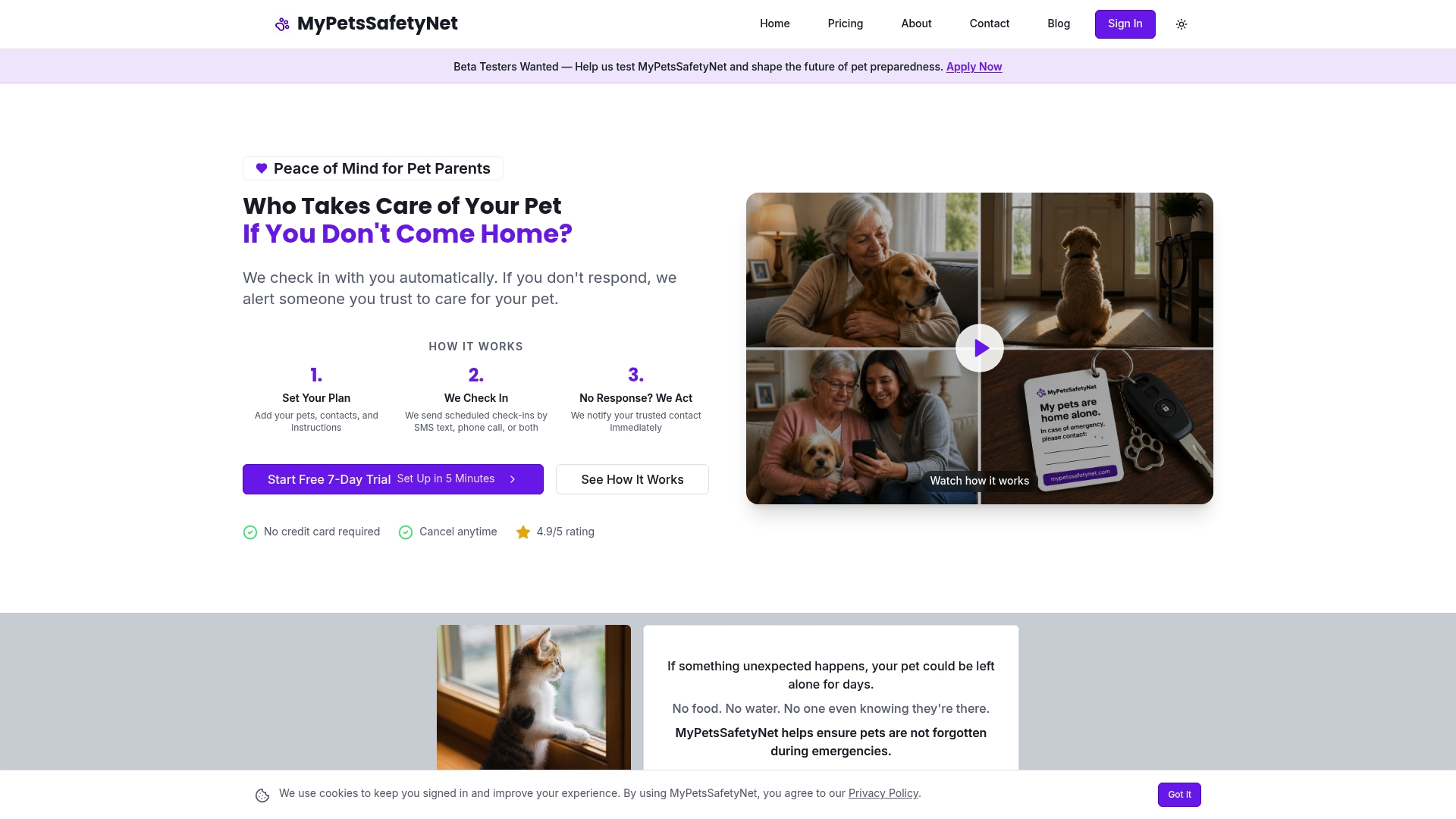
Mypetssafetynet provides wellness check-ins and automatic emergency notifications designed specifically for solo pet owners. If you miss a scheduled check-in, your designated emergency contacts are notified immediately, along with your pet care instructions. That single layer of automation is what turns a good plan into a reliable one. You’ve done the work of building your network. Mypetssafetynet makes sure it activates when you need it most. Visit Mypetssafetynet to set up your wellness check-in and give your pet the backup plan they deserve.
FAQ
What is a pet care network for singles?
A pet care network for singles is a structured system of trusted caregivers, professional services, and emergency documentation that ensures your pet receives care when you’re unavailable. It combines personal contacts, a registered veterinarian, written care instructions, and automated notification tools.
How many emergency caregivers should a single pet owner have?
Single pet owners need at least two vetted emergency caregivers. One person may be unavailable during an actual emergency, so a backup is not optional.
Why do verbal agreements fail for emergency pet care?
Informal verbal agreements fail because caregivers are often unprepared, unreachable, or unaware of critical details like vet contacts and medication schedules. Written, signed agreements with clear instructions are the only reliable alternative.
What should a pet care kit contain?
A complete pet care kit includes non-perishable food, water, medications, vaccination records, first aid supplies, a leash, and comfort items your pet recognizes. Review and restock it every six months.
How does a wellness check-in service help single pet owners?
A wellness check-in service automatically alerts your emergency contacts if you miss a scheduled check-in. This ensures your pet is never left alone simply because you were unable to ask for help yourself.