Automated Check-Ins and Pet Safety: A 2026 Guide

Automated check-ins are defined as scheduled digital verification systems that confirm a pet owner’s status and trigger caregiver notifications when no response is received. The role of automated check-ins in pet safety has grown significantly, covering everything from boarding compliance to emergency wellness monitoring. Systems like Mypetssafetynet now make it possible for solo pet owners to set up automatic alerts that notify designated contacts if something goes wrong. This guide explains how these systems work, what the 2026 industry data shows, and exactly what you can do to protect your pet.
How do automated check-in systems improve compliance and reduce risks in pet care?
Automated check-in systems reduce pet safety risks by catching compliance gaps before they become emergencies. The most common failure point in pet boarding is outdated vaccination records. Automated vaccination verification eliminates 80% of compliance-related boarding delays by cross-referencing records 72 hours before arrival and sending client notifications automatically. That means fewer last-minute scrambles at the front desk and fewer pets turned away at drop-off.
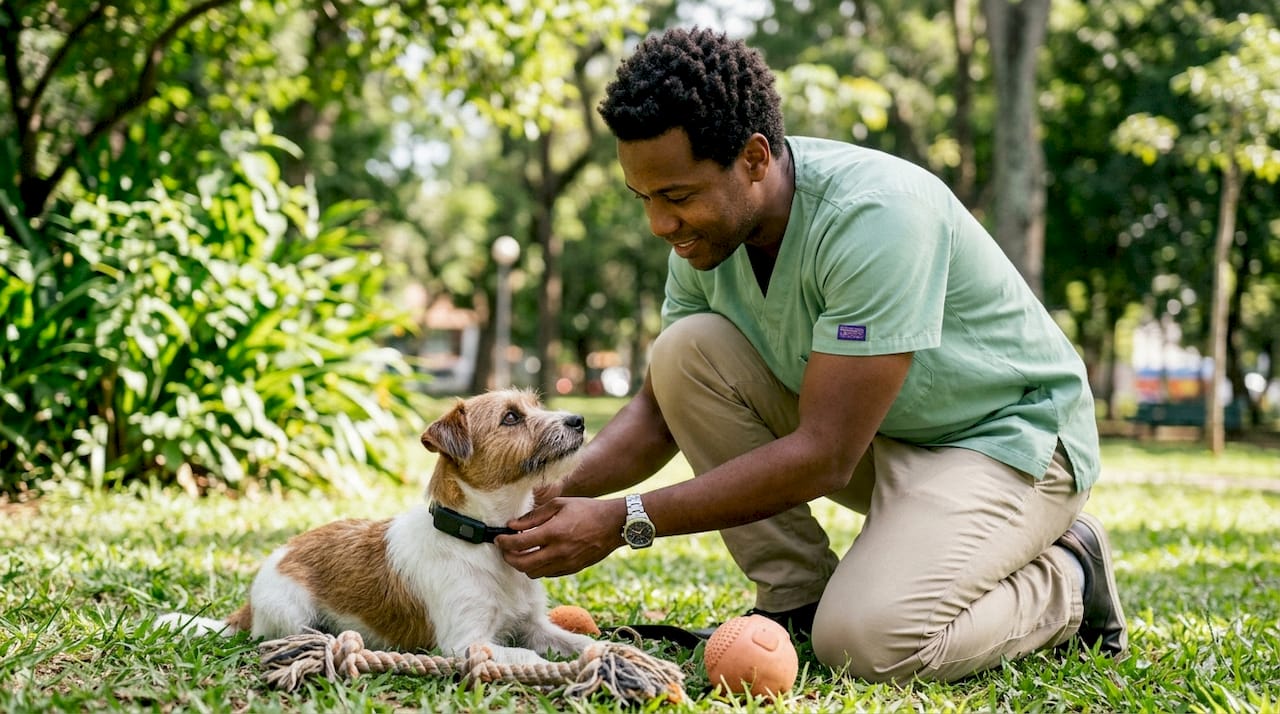
Behavioral screening is the second major risk-reduction tool. When facilities collect temperament data during the booking process, behavioral screening reduces boarding incidents by 45%. Reactive or anxious pets get flagged for manual review before they ever arrive, giving staff time to prepare appropriate housing and handling plans.
The operational gains are just as significant. Automation reduces front-desk workload by 40–60% and cuts no-shows by 30–50%. That frees staff to focus on direct animal care rather than paperwork.
Here is what a well-designed automated check-in system handles before a pet even walks through the door:
- Vaccination record verification against AAHA-recommended protocols
- Behavioral history collection and reactive pet flagging
- Emergency contact confirmation and update requests
- Medication schedule documentation
- Automated reminders sent 72 hours and 24 hours before arrival
Pro Tip: Ask your boarding facility whether their system cross-references vaccination records automatically or relies on staff to check manually. The difference in safety outcomes is significant.
| Compliance Task | Manual Process | Automated Process |
|---|---|---|
| Vaccination verification | Staff checks records at drop-off | System verifies 72 hours before arrival |
| Behavioral screening | Owner verbally describes pet | Digital form flags reactive pets for review |
| Emergency contact update | Asked at front desk | Collected and confirmed during booking |
| No-show rate | Higher without reminders | Reduced by 30–50% with automated alerts |
What role does real-time monitoring and alerts play in enhancing pet safety during stays?
Real-time monitoring gives caregivers a continuous view of a pet’s physical condition without requiring constant manual checks. Smart collars and biometric sensors now track heart rate, activity levels, temperature, and rest patterns throughout the day. That data becomes useful only when it connects to a clear response plan.
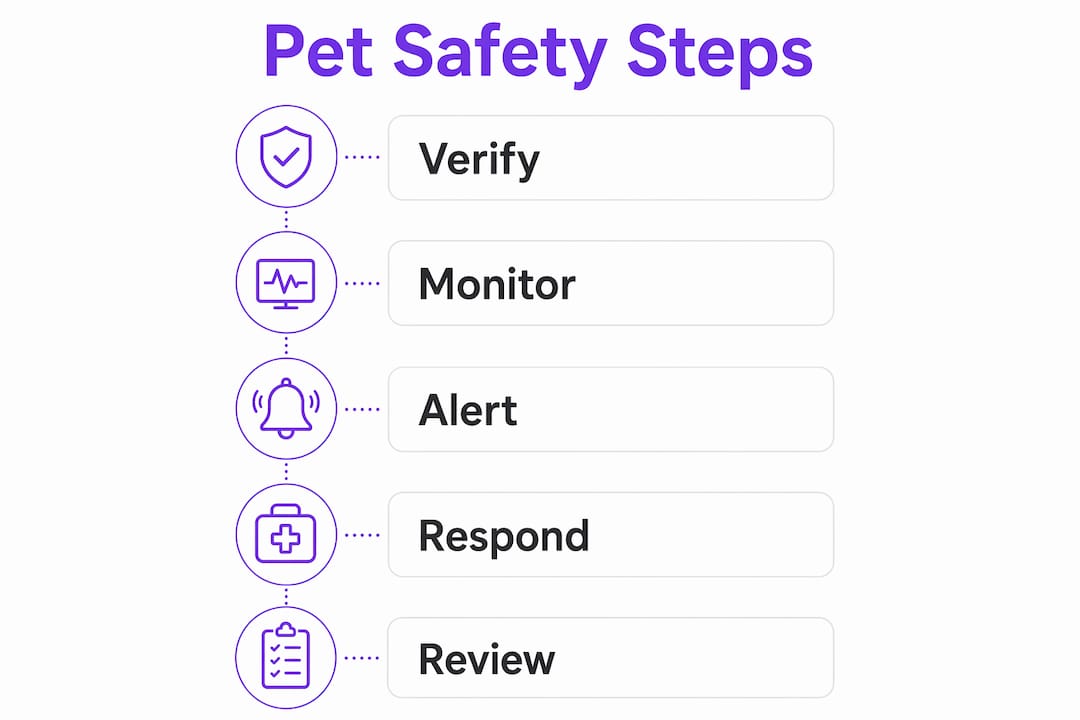
Smart collar biometric data improves safety only when paired with defined human escalation protocols. An alert that goes unread or gets dismissed without a physical check provides no real protection. The alert is the signal. The human response is the safety net.
Effective real-time monitoring systems include these components:
- Biometric sensors that track heart rate, temperature, and activity
- Threshold-based alerts that trigger when readings fall outside normal ranges
- Escalation protocols that assign a specific staff member or caregiver to respond
- Veterinary contact integration for alerts that suggest a health concern
- Backup power and network redundancy to prevent monitoring gaps
Automated alerts must have predefined human response protocols to convert signals into effective safety actions. Without that structure, even the best monitoring hardware fails to protect your pet when it matters most.
Network reliability is a practical concern that most pet owners overlook entirely. Most monitoring failures result from unreliable home networks. A dedicated uninterruptible power supply, or UPS, for your router and modem keeps your monitoring system online during power outages. This single step prevents the most common cause of monitoring blackouts.
Pro Tip: Set your smart collar or home monitoring device to send alerts to two contacts, not just one. If the primary contact misses the notification, the second contact catches it.
How do automated check-ins transform the pet boarding and care experience?
Digital check-in systems change the entire arrival experience for pet owners and staff alike. Digital check-in kiosks reduce processing time from 15 minutes to under 3 minutes by collecting vaccination records, medication schedules, and behavior notes before the pet arrives. Staff spend less time at a keyboard and more time observing and interacting with animals.
The communication improvement is equally important. When owners receive automated updates throughout a boarding stay, their anxiety drops and their trust in the facility increases. Transparent, timely communication is the single biggest driver of repeat business in the pet care industry.
Post-visit follow-up is where many facilities leave value on the table. Automated post-visit follow-ups increase wellness compliance from 60% to over 85%. AI-driven reminders about follow-up vet visits, medication refills, and lab results reduce phone inquiries by 70%. That means fewer calls for staff to handle and better health outcomes for pets.
Here is how the check-in process improves step by step with automation:
- Pre-arrival intake: Owner completes a digital form covering vaccination status, medications, feeding schedule, and behavioral notes.
- Automated record verification: The system cross-checks vaccination records against facility requirements and flags any gaps.
- Arrival check-in: A kiosk or digital station confirms the pet’s profile in under 3 minutes.
- Stay monitoring: Staff receive behavioral and health alerts tied to the pet’s profile throughout the stay.
- Post-visit follow-up: Automated messages remind owners of next steps, upcoming vaccinations, or wellness visits.
| Stage | Without Automation | With Automation |
|---|---|---|
| Pre-arrival compliance | Checked at drop-off | Verified 72 hours before |
| Check-in time | Up to 15 minutes | Under 3 minutes |
| Post-visit wellness compliance | 60% | Over 85% |
| Staff time on admin tasks | 40–60% of shift | Significantly reduced |
What practical steps can pet owners take to maximize automated check-in effectiveness?
Pet owners who get the most out of automated check-in systems do one thing consistently: they prepare before they need the system to work. Reactive preparation, meaning updating records only when a problem arises, is the most common reason automated systems fail to protect pets.
Follow these steps to get your setup right:
- Keep records current. Vaccination certificates, medication lists, and vet contact details should be stored digitally and updated after every vet visit.
- Verify escalation protocols. Before boarding your pet, ask the facility what happens when a health alert fires. Who responds? What is the decision chain?
- Protect your home network. Install a UPS device on your router and modem if you use smart home pet monitoring. Power outages are the leading cause of monitoring gaps.
- Use a wellness check-in service. Mypetssafetynet automates wellness check-ins for solo pet owners and sends alerts to designated emergency contacts if a check-in is missed. This covers the gap that boarding facilities and smart collars cannot: what happens to your pet if something happens to you.
- Coordinate with your caregivers. Confirm that your emergency contacts know they are listed, understand what a notification means, and have access to your pet’s care instructions.
Services that notify others if you can’t care for your pet are the most direct form of automated pet safety for owners who live alone or manage a health condition. The technology exists. Using it consistently is what makes it effective.
Pro Tip: Schedule a quarterly review of your pet’s digital profile. Update emergency contacts, medications, and vaccination records every three months so the information is accurate when it counts.
Pet owners managing chronic illness face a specific version of this challenge. A practical guide to pet ownership during chronic illness covers how to build automated reminders and caregiver coordination into your daily routine without adding stress.
Key Takeaways
Automated check-in systems protect pets most effectively when compliance verification, real-time monitoring, and human escalation protocols work together as a connected system.
| Point | Details |
|---|---|
| Compliance verification | Automated vaccination checks eliminate 80% of boarding delays when run 72 hours before arrival. |
| Behavioral screening | Flagging reactive pets during booking reduces boarding incidents by 45%. |
| Real-time monitoring | Smart collar alerts only improve safety when paired with a defined human response protocol. |
| Network reliability | A UPS device on your home router prevents the most common cause of monitoring system failure. |
| Owner preparedness | Keeping digital records current and confirming caregiver contacts makes every automated system more effective. |
What I’ve learned about automated check-ins after years of watching pet owners prepare (and not prepare)
The technology side of automated pet safety has advanced faster than most pet owners realize. What hasn’t kept pace is the human side. I’ve seen owners invest in smart collars, digital boarding intake systems, and wellness apps, then leave their emergency contact list blank or list a phone number that hasn’t been active in two years.
The most overlooked gap in automated pet safety isn’t the hardware or the software. It’s the moment between an alert firing and a real person taking action. That gap is where pets get hurt. Facilities that define clear escalation chains, where a specific staff member owns the response to every alert category, consistently outperform those that treat alerts as optional notifications.
For solo pet owners, the stakes are even higher. If you live alone and something happens to you, no boarding facility alert system covers that scenario. That’s the exact problem Mypetssafetynet was built to solve. It’s not a replacement for smart collars or digital intake forms. It’s the layer that covers what those systems can’t see: whether you, the owner, are okay.
My honest recommendation is this. Build your automated check-in system in layers. Start with current digital records. Add a reliable home network with backup power. Use a boarding facility that verifies compliance before arrival. Then add a wellness check-in service that monitors you, not just your pet. Each layer covers a gap the others leave open.
— Mypetssafetynet
Mypetssafetynet: automated wellness check-ins for pet owners
Mypetssafetynet was built for pet owners who want to know their pets are covered no matter what happens. The service runs automated wellness check-ins and sends immediate notifications to your designated emergency contacts if a check-in is missed.
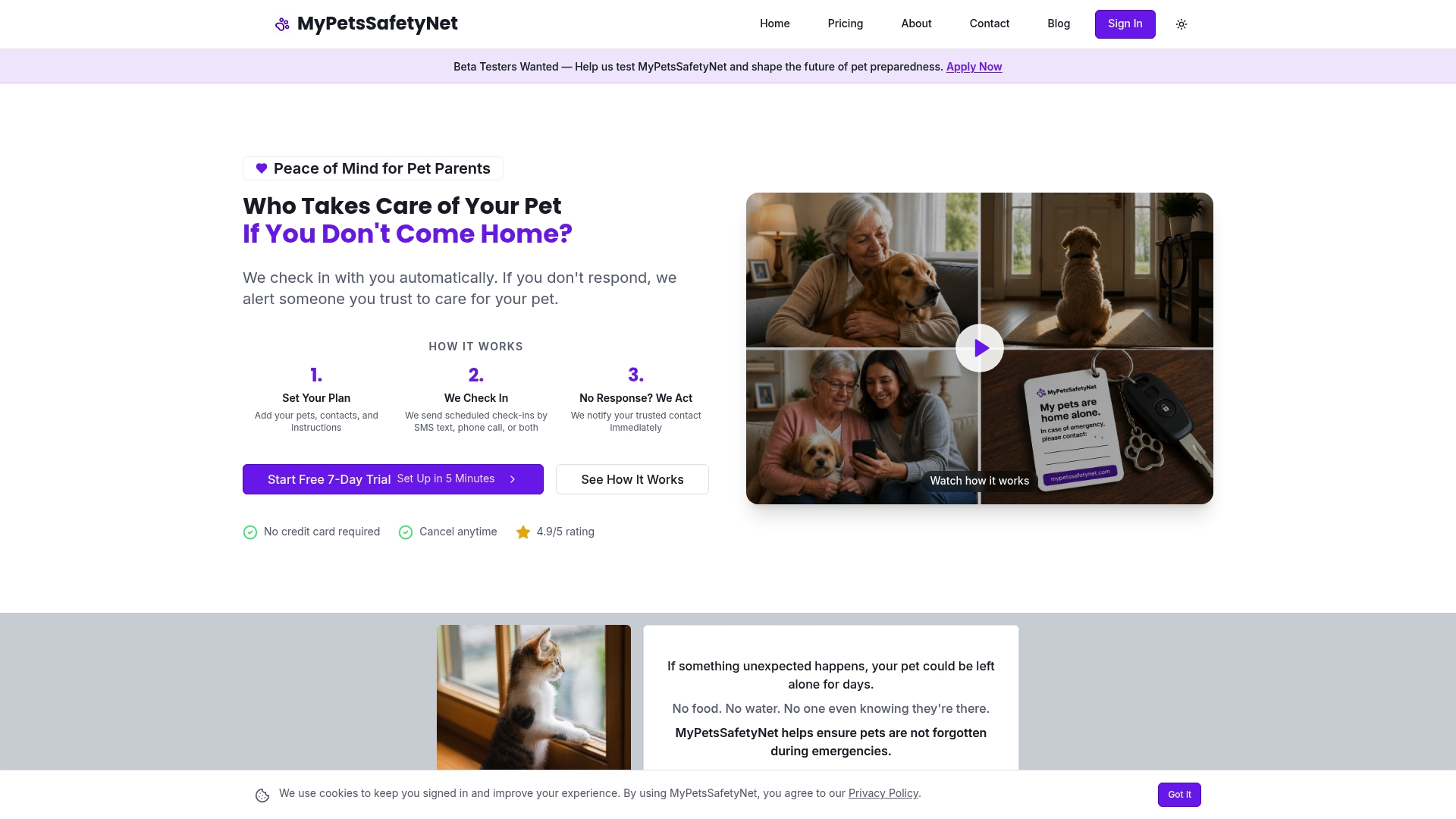
Whether you’re a solo pet parent, managing a health condition, or simply planning ahead, Mypetssafetynet fills the gap that boarding systems and smart collars can’t cover. Your contacts receive a prompt alert so they can check on both you and your pets without delay. Learn more about automated wellness check-ins and how the service works, or review the SMS consent and notification options to set up your communication preferences today.
FAQ
What is the role of automated check-ins in pet safety?
Automated check-ins verify owner status, confirm pet care compliance, and trigger caregiver notifications when a check-in is missed. They reduce response time in emergencies and close the gap between a problem occurring and help arriving.
How do automated check-ins reduce boarding risks?
Automated systems verify vaccination records 72 hours before arrival and collect behavioral data during booking, which reduces boarding incidents by 45%. This gives staff time to prepare appropriate care before the pet arrives.
Do smart collars alone provide enough pet safety monitoring?
Smart collars provide valuable biometric data, but they require defined escalation protocols to be effective. Alerts must trigger physical checks by a designated person to convert monitoring data into real safety outcomes.
What should I do if my home network goes down during pet monitoring?
Install a UPS device on your router and modem. Network outages are the leading cause of smart home pet monitoring failures, and a UPS keeps your system running during power interruptions.
Who checks on my pets if I have a medical emergency at home?
A wellness check-in service like Mypetssafetynet automatically alerts your designated emergency contacts if you miss a scheduled check-in. You can learn more about who checks on pets when an owner is hospitalized and how to set up that coverage in advance.